
Last updated October 16, 2026
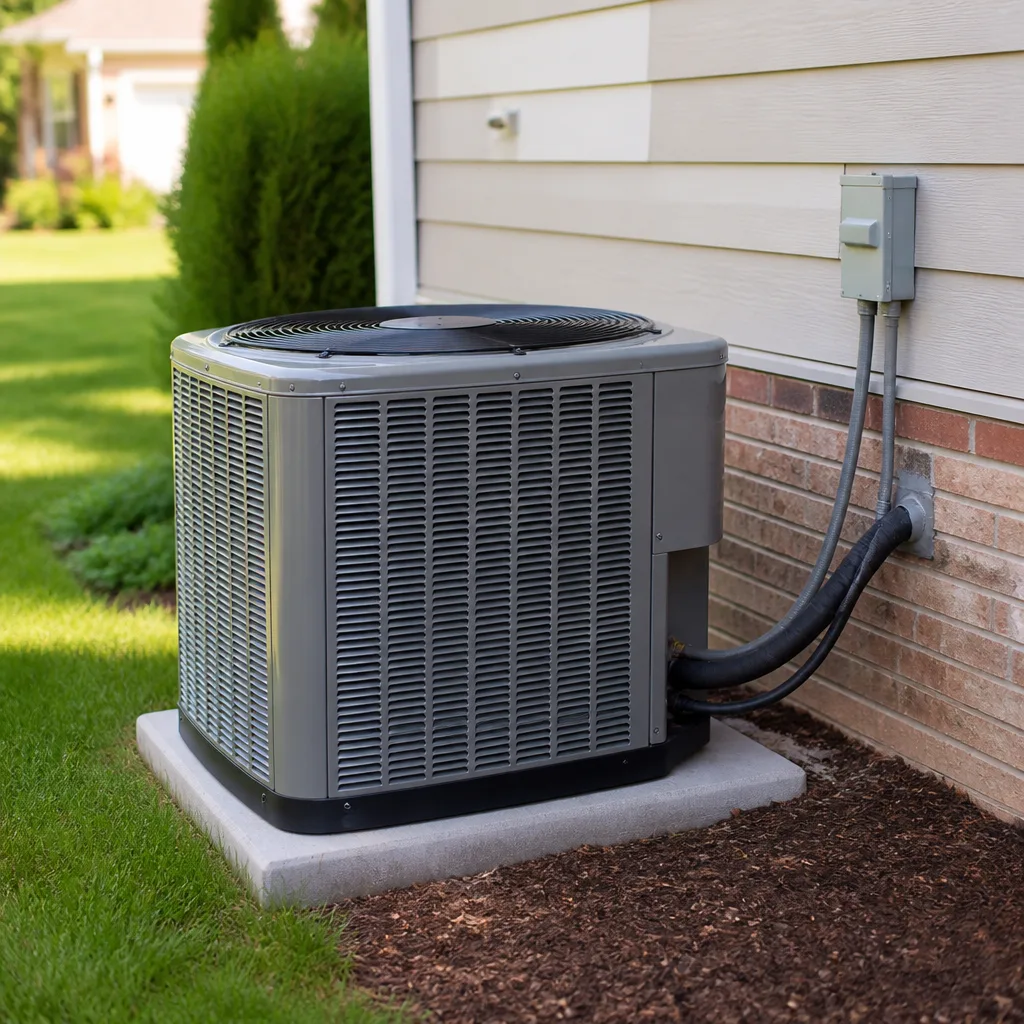 AC repair
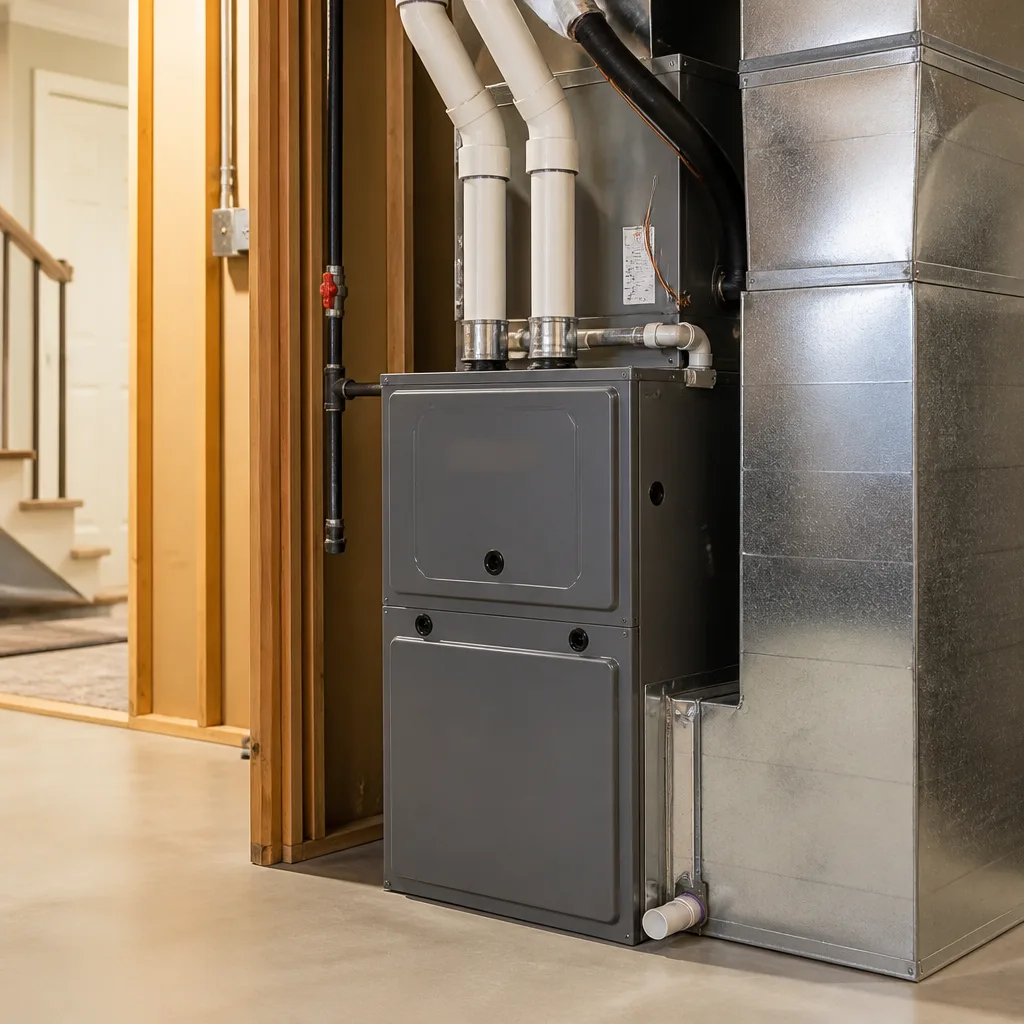 Furnace & heating
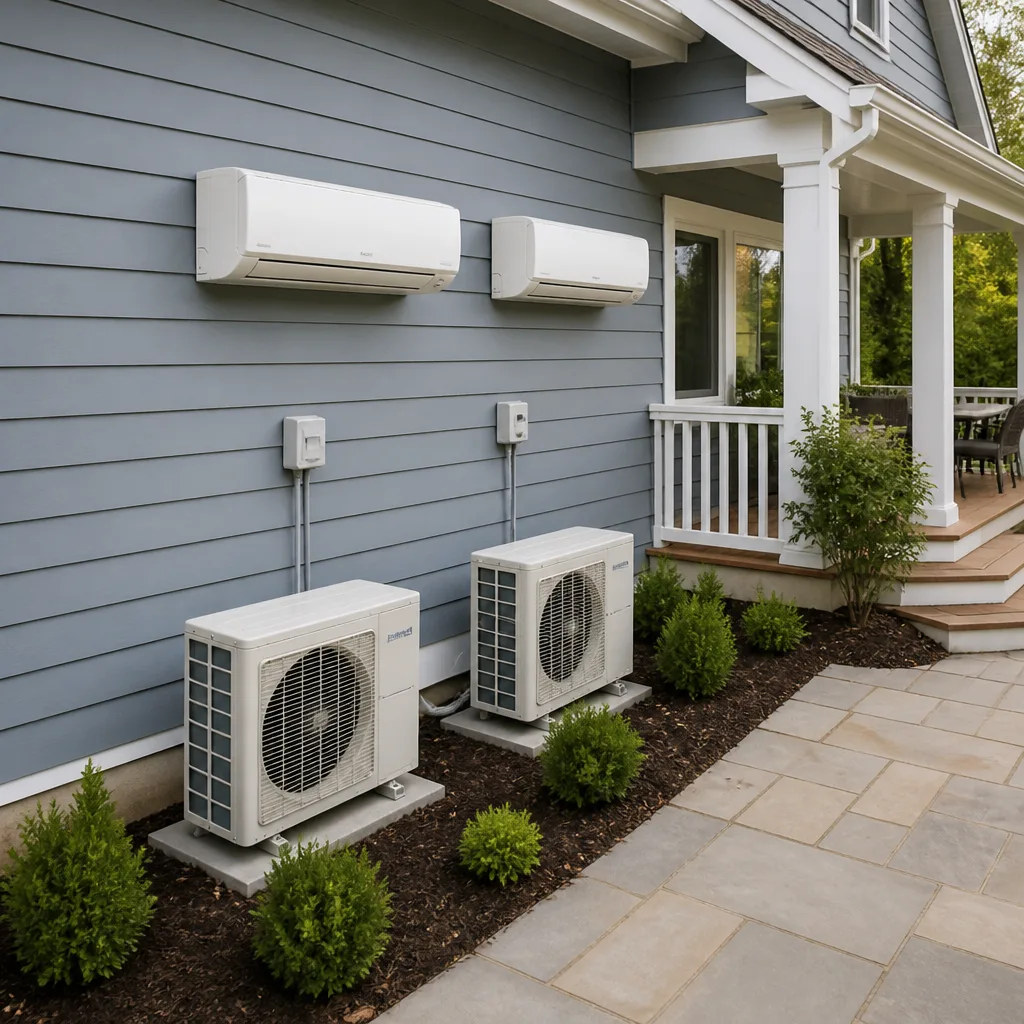 Ductless mini splits
 Carrier
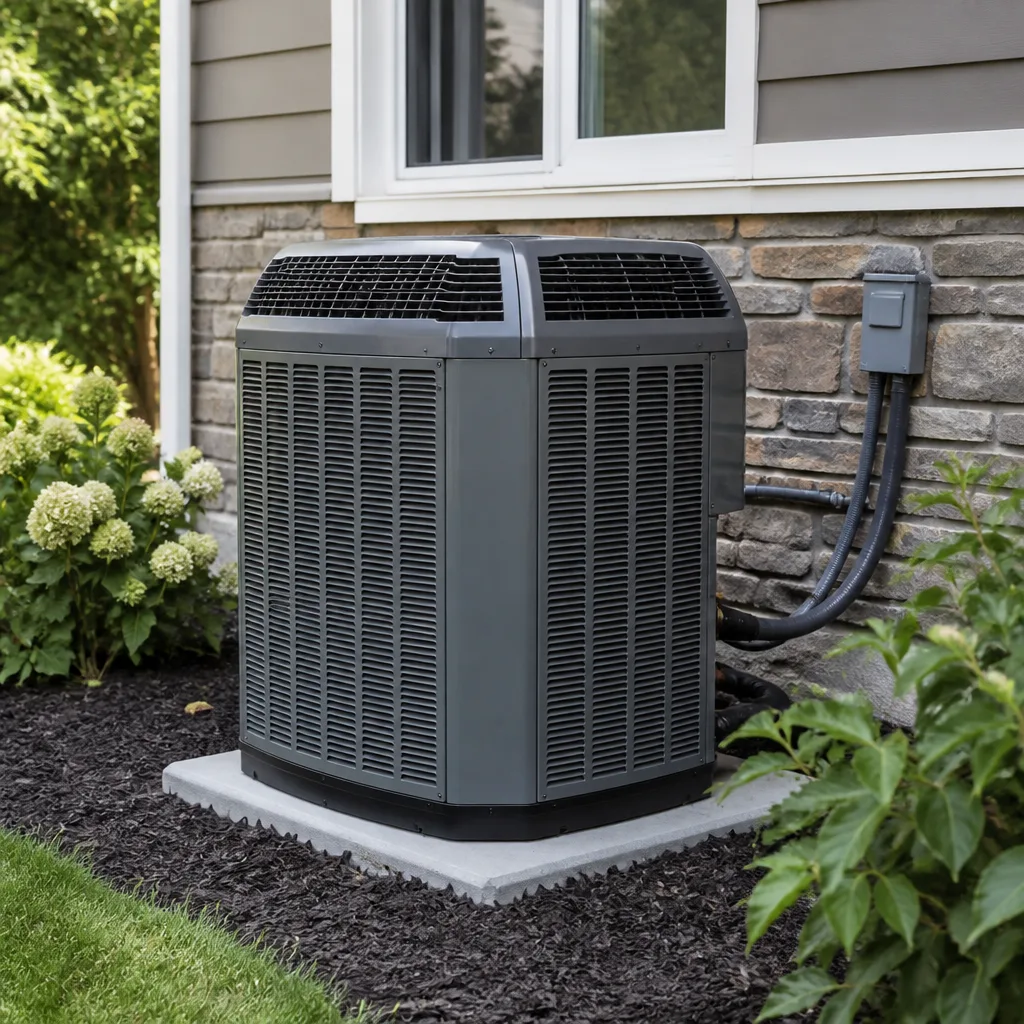 Trane
Trane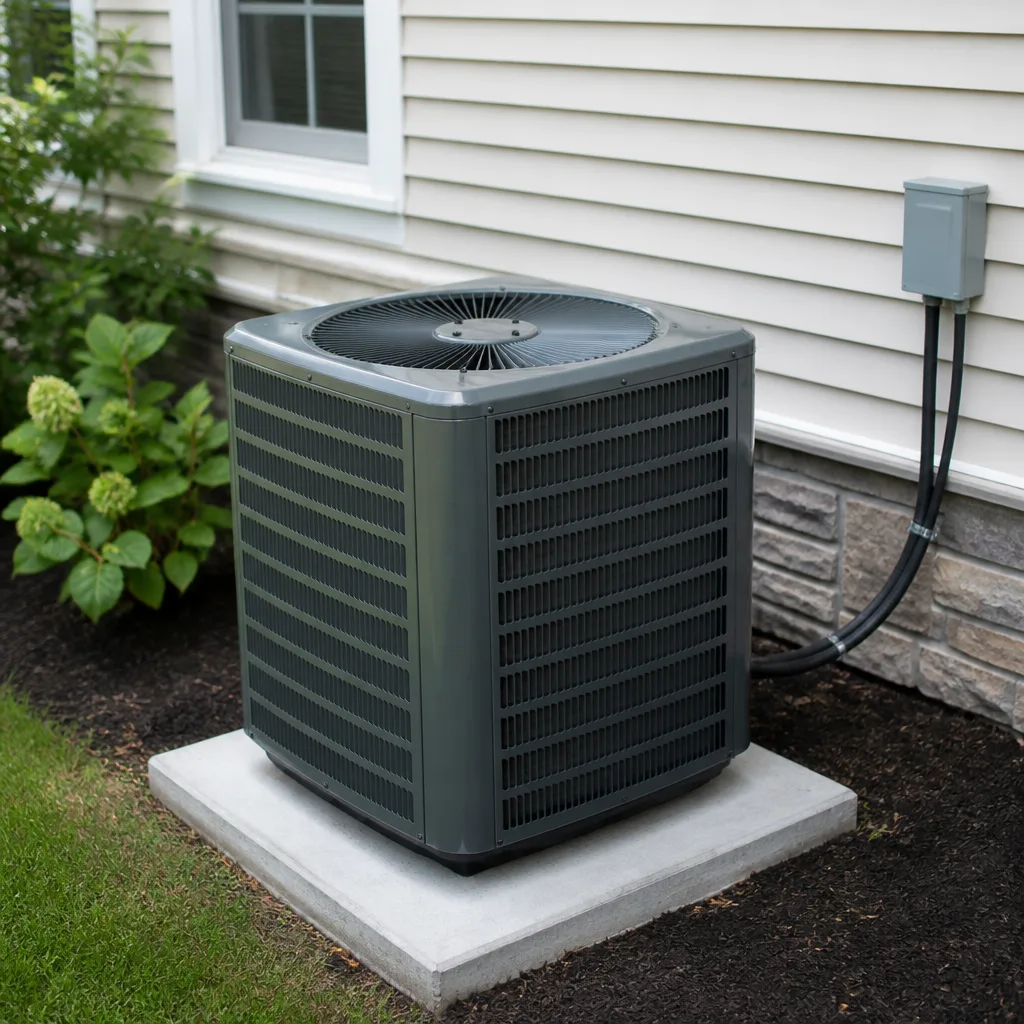 Goodman
Seasonal tune-up and full diagnostic on your Carrier, Trane, or Goodman system - readings shown to you before any repair is proposed
Diagnosis first, numbers second - you approve the repair price before a single part goes in.
Get your free estimateHVAC Cost Breakdown: The West Covina Homeowner’s Reference for 2026
The $3,500 AC replacement price you saw in a national cost guide doesn’t include the West Covina permit fee, the California Title 24 compliance paperwork, or the $400 – $600 labor premium that inland valley contractors charge during peak season. Your real number is closer to $5,200. This guide explains exactly why, line by line, using the actual prices our technicians see in West Covina homes every week, and points you to more guides & resources for ongoing maintenance. You’ll learn what each cost component means, where you can safely save money, where spending more protects you, and how to read a contractor quote without feeling lost.
Styles & brands we work with
Quick Answer
A full HVAC system replacement in West Covina in 2026 typically costs between $8,500 and $14,000, depending on system size, efficiency rating, and whether ductwork needs modification. A standalone AC replacement runs $5,200 to $9,800, while a furnace replacement alone is $3,800 to $7,200. These numbers include LA County permit fees, Title 24 testing, and the inland valley labor rates that national averages consistently undercount. For a deeper look at the regulatory side, see our guide to HVAC Permits, Codes & Inspections in CA: What You Need to Know.
Table of Contents
- Why National Averages Fail West Covina Homeowners
- Itemized Cost Tables for Common West Covina Jobs
- How to Read a Contractor Quote Line-by-Line
- Where West Covina Homeowners Consistently Overpay
- SCE and SoCalGas Rebates That Offset 2026 Costs
- Financing Math: What 0% APR Actually Costs You
- When to Replace: Timing Your Job for the Best Price
- Common Mistakes to Avoid
- When to Call a Professional
- Frequently Asked Questions
- The Bottom Line
Why National Averages Fail West Covina Homeowners
If you’ve searched “HVAC replacement cost” and found a tidy $3,000 to $5,000 range, that number was likely built from markets where a building permit costs $80 and a technician earns $22 an hour. West Covina sits in LA County, where everything costs more, and the San Gabriel Valley’s summer heat means every contractor in a 40-mile radius is booked solid from June through September. Supply and demand does the rest.
Here’s what national guides miss that we deal with on every West Covina job:
- LA County permit fees: A mechanical permit for HVAC replacement in West Covina typically runs $250 to $450 depending on system scope. Some cities in the Midwest don’t require permits at all.
- California Title 24 compliance: Every new AC or heat pump installation in California must pass mandatory energy code testing. That’s duct leakage testing, refrigerant charge verification, and airflow measurement. The paperwork and testing add $300 to $600 to every replacement.
- Inland valley labor rates: West Covina contractors pay technicians more than coastal or rural markets, and those wages show up in your invoice. Expect $120 to $180 per hour for licensed HVAC labor in 2026, versus $80 to $110 in lower-cost states.
- Peak-season demand premium: When it’s 104°F in West Covina and your AC dies, you’re competing with hundreds of other homeowners for the same technician. Emergency and peak-season calls routinely carry a $200 to $400 premium over spring or fall pricing.
- SEER2 efficiency requirements: California adopted the new SEER2 efficiency standard ahead of most of the country. The minimum-efficiency unit you can legally buy in West Covina is more expensive than the minimum unit in, say, Texas.
The point isn’t that West Covina is overpriced. It’s that using a national number to budget for a local purchase sets you up for sticker shock. Armed with the real numbers below, you’ll know what to expect before the first quote arrives.
Itemized Cost Tables for Common West Covina Jobs
We’ve broken the most common West Covina HVAC jobs into line items so you can see exactly where your money goes. These ranges reflect what we see in 2026 for homes in neighborhoods like South Hills, Woodside, Galster Park, and the Ridge area, where housing stock ranges from 1970s ranchers to early-2000s two-story builds.
AC Replacement: $5,200 to $9,800
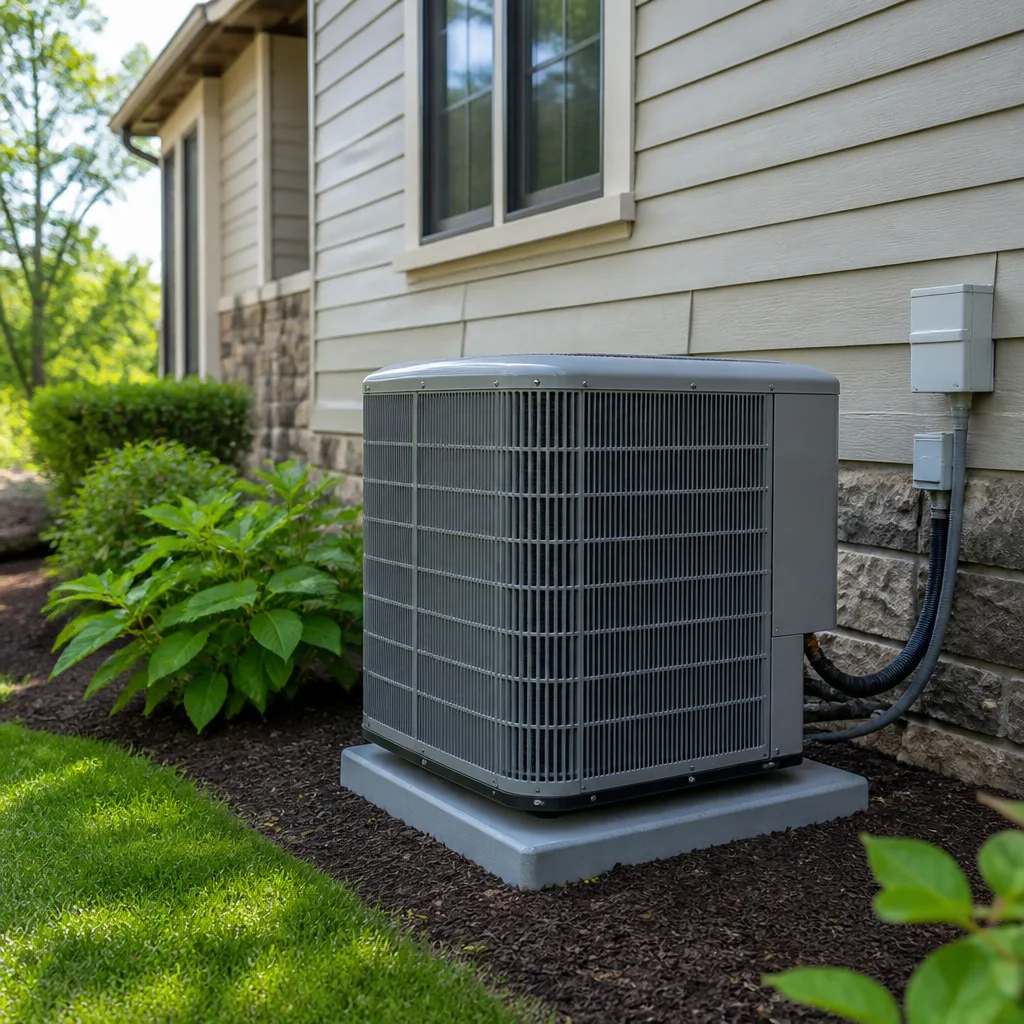
This is a condenser and evaporator coil replacement (the outdoor unit and the indoor coil that cools your air), assuming your existing ductwork and furnace blower are in good shape.
- Equipment (3-ton, 15 – 17 SEER2): $2,800 to $4,500. Brands like Rheem, Bryant, and Daikin all have units in this range for a typical West Covina single-family home.
- Installation labor: $1,400 to $2,400. Includes removal and disposal of the old unit, new refrigerant line set, brazing, and evacuation.
- Title 24 testing and compliance: $350 to $600. Mandatory in California, not optional.
- City of West Covina permit: $250 to $450.
- Refrigerant: $250 to $600 depending on whether your system uses R-410A or the newer A2L refrigerants, which cost more per pound but are required for new 2025+ equipment.
- Miscellaneous materials: $150 to $450. Condenser pad, disconnect box, surge protector, whip, thermostat wiring.
Furnace Replacement: $3,800 to $7,200
A standard 80% or 90%+ AFUE gas furnace swap for a West Covina home, assuming the existing flue and gas line don’t require modification.
- Equipment (80,000 to 100,000 BTU): $1,600 to $3,200. Gas furnaces are simpler machines than AC condensers, so the equipment cost is lower.
- Installation labor: $1,200 to $2,000. Includes gas line connection, flue connection, electrical wiring, and startup testing.
- City of West Covina permit: $200 to $400.
- Miscellaneous: $300 to $800. New gas shutoff valve, sediment trap, condensate line, carbon monoxide testing, thermostat if needed.
Full System Replacement (AC + Furnace): $8,500 to $14,000
Replacing both units at once is the most common approach for West Covina homes where both systems are 15 to 20 years old. You save on labor by doing both in one visit, and you get a matched system that runs more efficiently than mixing old and new components.
- Combined equipment cost: $4,800 to $8,000. You’ll often get a package discount from the distributor when buying both at once.
- Installation labor: $2,200 to $3,800. One crew, one day, both systems.
- Title 24 testing: $350 to $600.
- City of West Covina permit: $350 to $550 (covers both mechanical and gas scope).
- Refrigerant and materials: $400 to $900.
- Thermostat upgrade: $0 to $300. Many full-system jobs include a new smart thermostat.
Ductwork Repair or Partial Replacement: $1,200 to $6,500
West Covina homes built before 1990 often have ductwork that’s undersized, leaking, or deteriorating. A full duct replacement in a single-story rancher can run $4,500 to $6,500, while targeted repair and sealing costs $1,200 to $2,800.
- Duct leakage testing (required for Title 24): $250 to $450.
- Duct sealing (mastic and/or Aeroseal): $800 to $1,800.
- Section replacement (20 to 40 linear feet): $600 to $2,000.
- Full duct replacement (1,500 to 2,500 sq ft home): $4,000 to $6,500.
How to Read a Contractor Quote Line-by-Line
Most homeowners get a quote, see the bottom-line number, and never look at the line items. That’s how you end up paying for things you didn’t understand or accepting a quote that’s missing things you’ll pay for later. Here’s how to actually read one.
Step 1: Check for the permit line. If a West Covina contractor’s quote doesn’t mention a permit, ask why. Any legitimate company pulling a legal permit will list the fee, and the city inspection is your protection against shoddy work. A quote without a permit line item usually means the contractor doesn’t plan to pull one, which saves them time and leaves you with an unpermitted installation that can complicate a future home sale.
Step 2: Confirm Title 24 testing is included. California law requires it. If a quote says “all necessary testing included” without naming Title 24, get it in writing that duct leakage testing, refrigerant charge verification, and airflow measurement are covered. Some contractors list it as a separate line and some bundle it, but it must be somewhere in writing.
Step 3: Look at the equipment model number. A quote that says “3-ton AC unit” without a specific model number is useless. The same size unit can cost $2,800 or $5,200 depending on efficiency, brand, and features. Ask for the exact model number and look it up. We list model numbers on every quote because you should know exactly what’s going in your home.
Step 4: Identify what’s NOT included. Some low quotes exclude duct modifications, electrical upgrades, crane time, or refrigerant. A quote that seems $1,500 cheaper might just be hiding the line items that the other contractor included up front. Read every exclusions section carefully.
Step 5: Compare warranty terms, not just prices. A $5,200 AC replacement with a 10-year parts and 2-year labor warranty is a better deal than a $4,800 replacement with a 5-year parts and 1-year labor warranty. The warranty is part of the price.
What we do differently at Halden Heating and Air West Covina home is what we call the written-price standard: every single quote includes a locked price before any work starts. If the number on the quote isn’t the number you pay, something went wrong, and our 365-Day Done Right Promise means we make it right.
Where West Covina Homeowners Consistently Overpay
After 22 years of working on West Covina HVAC systems, we’ve identified the places where homeowners spend money they didn’t need to spend, and the places where trying to save money backfires. If you’re unsure whether your system needs repair or replacement, check our HVAC Warning Signs: A West Covina Homeowner’s Reference Guide.
Overspending trap #1: Replacing before repairing. A $350 capacitor replacement fixes the AC for years. A $1,200 blower motor replacement gives you another five seasons. We’ve seen homeowners spend $8,000 on a new system because a technician told them the old one was “on its last legs” when the actual repair was under $500. Get a second opinion if anyone tells you a system under 12 years old needs full replacement after one visit.
Overspending trap #2: Buying efficiency you’ll never use. A 20 SEER2 heat pump costs $3,000 more than a 16 SEER2 unit. In West Covina, where summer cooling loads are extreme but winter heating loads are mild, that investment might take 12 to 15 years to pay back in energy savings. If you plan to stay in the home for 20 years, fine. If not, the mid-range efficiency is usually the better buy.
What’s actually worth paying more for:
- Labor warranty: A 10-year parts warranty means nothing if you’re paying labor every time. Pay $300 to $500 more for a contractor who includes a multi-year labor warranty.
- Proper sizing and installation quality: A perfectly sized, properly installed 15 SEER2 system outperforms a sloppily installed 18 SEER2 system. The installation quality, not the efficiency rating, determines most of your real-world energy use.
- Written guarantees you can enforce: A verbal promise disappears. A written guarantee with clear terms is worth a premium. Every repair we do includes a written guarantee, and if it fails within the coverage window, the second visit is free. That’s not marketing language; it’s the standard.
- Duct sealing: Most West Covina homes lose 20 to 30% of conditioned air through duct leaks. Sealing those leaks is the single highest-ROI improvement most homeowners never make.
SCE and SoCalGas Rebates That Offset 2026 Costs
California utility rebates can meaningfully reduce your out-of-pocket cost, but the programs change frequently, and the paperwork is confusing. Here’s what’s available in the West Covina area for 2026, and how to actually get the money.
SCE (Southern California Edison) rebates for West Covina homeowners:
- Heat pump AC replacement rebate: $500 to $1,500 depending on efficiency tier, when replacing an electric or gas system with a qualifying heat pump.
- Smart thermostat rebate: $50 to $150 for installing a qualifying smart thermostat with demand-response capabilities.
- Tune-up rebate: SCE occasionally runs seasonal programs offering $50 to $100 for qualified AC tune-ups or repairs that improve efficiency.
SoCalGas rebates:
- High-efficiency furnace rebate: $200 to $500 for installing a furnace with 95% AFUE or higher.
- Smart thermostat rebate: $50 to $100 for qualifying models.
- Weatherization and duct sealing rebates: Up to $500 for duct sealing and insulation work that reduces gas heating demand.
Here’s the catch most homeowners don’t know: the rebate is processed after installation, and you need specific paperwork from the contractor, including model numbers, AHRI reference numbers, and sometimes a pre-installation approval. If your contractor doesn’t handle rebate paperwork, you’ll either miss the rebate or spend hours online. We handle SCE and SoCalGas rebate paperwork for every qualifying installation, and the rebate gets applied to your job before you pay the final invoice.
A practical example: a West Covina homeowner replacing an aging gas furnace and AC with a 16 SEER2 heat pump in 2026 could qualify for $800 to $2,000 in combined rebates. That’s real money that national cost guides never mention.
Financing Math: What 0% APR Actually Costs You
That “0% financing for 60 months” offer you see on every HVAC website is not what it appears to be. Here’s the math that most companies hope you never do.
When a contractor offers 0% financing, they’re not losing money. They pay a fee to the financing company, typically 8 to 15% of the financed amount. A $8,000 system at 12% dealer fee costs the contractor roughly $960. That cost gets passed to you one of two ways: either the contractor marks up the price by roughly that amount before quoting, or they offer a “cash discount” that’s actually the no-dealer-fee price.
Here’s the real comparison for a typical West Covina full system replacement:
Option 1: 0% APR financing, 60 months. Sticker price: $9,500. You pay $158 per month. Total paid: $9,500.
Option 2: Cash price with dealer-fee removed. Same system. Price: $8,650. You pay cash, a HELOC draw, or use a credit card with rewards. Total paid: $8,650. You saved $850.
Option 3: HELOC at 8.5% APR, 5-year repayment. Borrow $8,650 at 8.5%. Monthly payment: $177. Total paid: $10,620.
The 0% deal is better than a HELOC if you can’t pay cash, but the “0%” is built into the price. What matters is comparing the total amount you pay, not the monthly payment. A $9,500 system at 0% is more expensive than an $8,650 system at 8%.
Our advice: ask every contractor for the cash price and the financed price side by side. If they won’t disclose the difference, that tells you something about how they price. And if you’re financing, get the terms in writing, including any prepayment penalties, before you sign.
When to Replace: Timing Your Job for the Best Price
In West Covina, when you buy matters almost as much as what you buy. For a complete maintenance calendar, see our Seasonal HVAC Care for West Covina: Year-Round Homeowner’s Guide; here’s how the seasonal calendar affects your price.
Best time to buy: October through March. AC demand drops off a cliff after September, and most HVAC contractors shift to furnace work. You’ll get more scheduling flexibility, faster installation, and often better pricing because crews aren’t running overtime. Manufacturers also run fall and winter rebates that stack with utility programs.
Worst time to buy: June through August. When West Covina hits triple digits, every contractor in the San Gabriel Valley is booked for weeks. Emergency calls command premium pricing, and you may wait days or weeks for scheduled work. If your AC dies in July, you’re paying peak-season prices, no way around it.
The exception: a planned emergency fund. We tell homeowners to budget for AC replacement when the system hits 12 to 15 years old, even if it’s still running. Plan the replacement for spring or fall, and you control the timing instead of the thermostat controlling it for you.
One more timing consideration: California’s building codes update regularly, and each update tends to add efficiency requirements that raise equipment costs. If you’re planning to replace in the next two to three years, buying sooner (before the next code cycle) may save you money.
Common Mistakes to Avoid
- Using a national cost average as your budget. By now you know why: West Covina permit fees, Title 24 testing, and inland valley labor rates mean your real cost is 30 to 40% above what Google’s featured snippet shows.
- Buying the cheapest quote without reading line items. The cheapest quote is often just the one with the most exclusions. A $4,500 AC replacement quote that excludes the permit, Title 24 testing, and refrigerant becomes a $5,800 job by the time it’s done.
- Skipping the permit to save $400. An unpermitted HVAC installation in West Covina can come back to bite you when you sell the house. Buyers and inspectors flag unpermitted work, and you’ll pay to bring it up to code at sale time.
- Oversizing the system. Bigger is not better. An oversized AC short-cycles, doesn’t dehumidify properly, and wears out faster. The right size comes from a load calculation, not a rule of thumb.
- Ignoring ductwork condition. You can install the most efficient system on the market, but if your ducts leak 25% of your conditioned air into the attic, you’re paying to cool your crawlspace. Have ducts inspected and sealed as part of any major replacement.
- Choosing a contractor who won’t put prices in writing. If you can’t get a written, itemized quote before work starts, walk away. In our experience, the companies that resist written pricing are the ones that add charges at the door.
When to Call a Professional
Some jobs are genuinely DIY, and HVAC is not one of them. If your system involves refrigerant (a controlled substance requiring EPA certification), natural gas, or 240-volt electrical wiring, call someone who’s licensed and trained. Beyond that, call a professional if your AC is blowing warm air, your furnace is making banging or rattling sounds, you smell gas or burning, your energy bills jumped 30% or more without a usage change, or your system is older than 15 years and needs a major repair. All of these are situations where a wrong DIY attempt can cause damage, void warranties, or create safety hazards. Our team at AC Repair in West Covina and Furnace Repair in West Covina handles these calls daily. Halden Heating and Air West Covina offers free estimates on full system replacements in West Covina and the surrounding San Gabriel Valley. Call (831) 607-5485 to schedule one.
Frequently Asked Questions
A new AC system in West Covina typically costs between $5,200 and $9,800 installed, including equipment, labor, permit, and Title 24 compliance. The final price depends on your home’s size, the system’s efficiency rating (SEER2), and whether your existing ductwork and furnace can support the new unit. For an exact price on your home, call (831) 607-5485 for a free estimate.
If your AC is under 12 years old and the repair costs less than 30% of a replacement, repair is usually the smarter choice. If it’s over 15 years old, uses the discontinued R-22 refrigerant, and the repair is $1,500 or more, replacement typically makes more financial sense. We’ll give you an honest recommendation either way because AC Installation in West Covina is about matching your home’s real needs, not pushing a sale.
A straightforward AC or furnace replacement takes one day. A full system replacement with ductwork modification takes one to two days. Your contractor should give you a specific installation date and arrival time, not a window. Our team sends a live arrival time you can track, so you know exactly when the crew shows up.
Yes. SCE offers $500 to $1,500 for qualifying heat pump replacements, and SoCalGas offers $200 to $500 for high-efficiency furnaces. Additional rebates for smart thermostats and duct sealing are also available. We handle all rebate paperwork for qualifying installations so the savings come off your bill upfront rather than requiring a separate reimbursement process.
West Covina sits in LA County, where permit fees, California Title 24 compliance testing, and inland valley labor rates all run above national norms. Combined with the San Gabriel Valley’s intense summer cooling demand, these factors push local HVAC costs 30 to 40% above the numbers you see from national cost aggregation sites.
You can, but you shouldn’t. An unpermitted HVAC installation in West Covina creates problems when you sell the home, and it may void your manufacturer’s warranty. The $250 to $450 permit fee also buys you a city inspection that verifies the work was done correctly. A contractor who suggests skipping the permit is helping themselves, not you.
The Bottom Line
West Covina HVAC costs are higher than national averages because local code requirements, utility programs, and market demand all operate differently here than anywhere else in the country. A full system replacement in 2026 will run $8,500 to $14,000; a standalone AC replacement runs $5,200 to $9,800; and a furnace alone runs $3,800 to $7,200. SCE and SoCalGas rebates can knock $800 to $2,000 off certain installations, and timing your purchase for fall or winter can save you hundreds more. Read every quote line by line, verify permit and Title 24 compliance are included, and never accept a price that isn’t in writing before work begins. Call (831) 607-5485 for a free, itemized estimate on any HVAC work in West Covina.
Written by Andre Fuller, Owner at Halden Heating and Air West Covina, serving West Covina since 2004.
See the difference
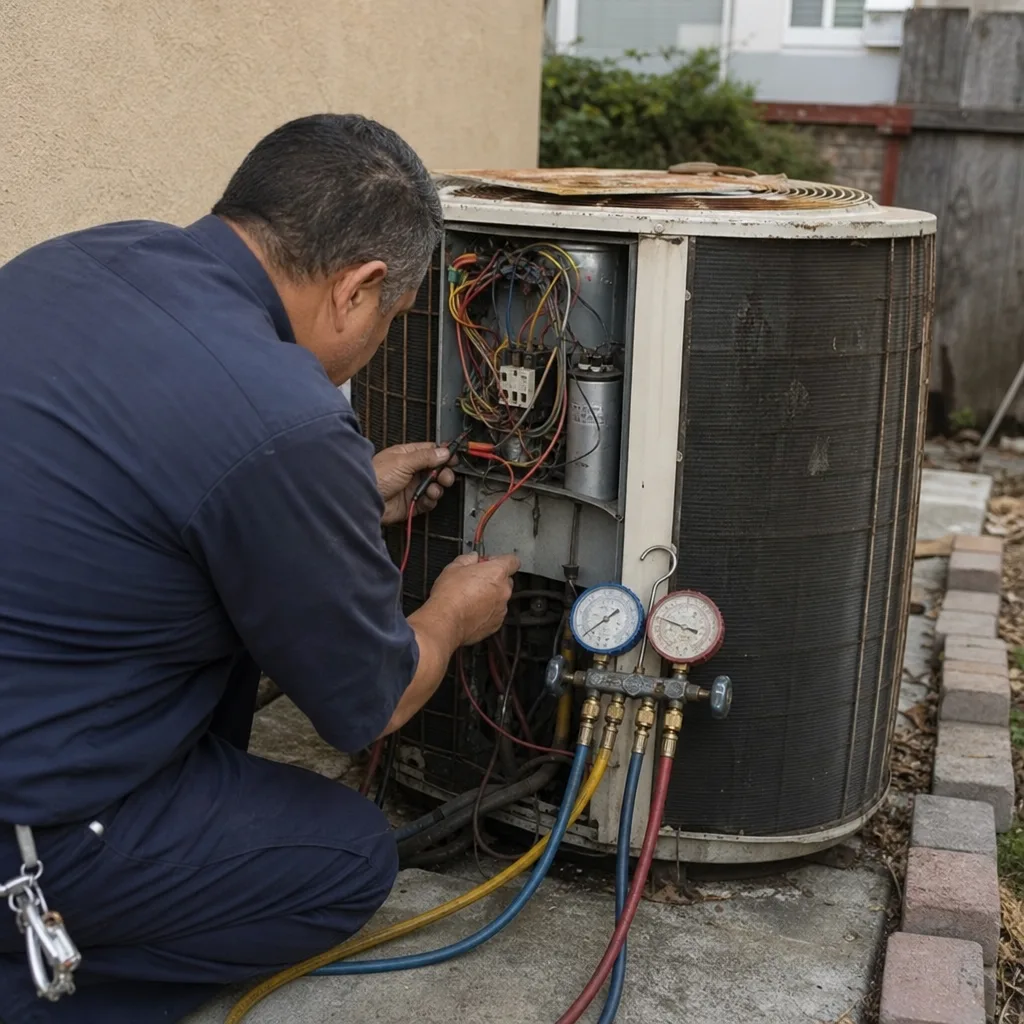 Before
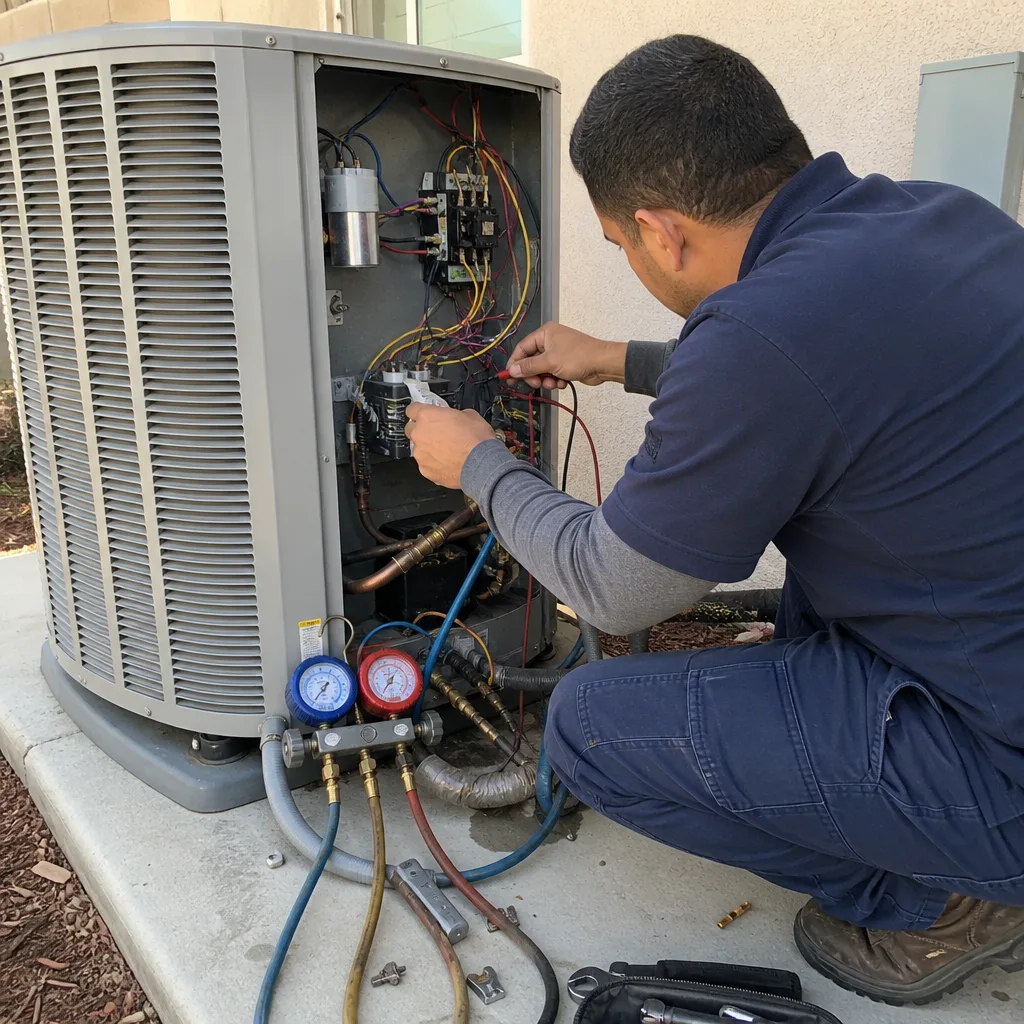 After
After Before
 After
After Before
 After
After