
Last updated October 16, 2026
 AC repair
 Furnace & heating
 Ductless mini splits
 Carrier
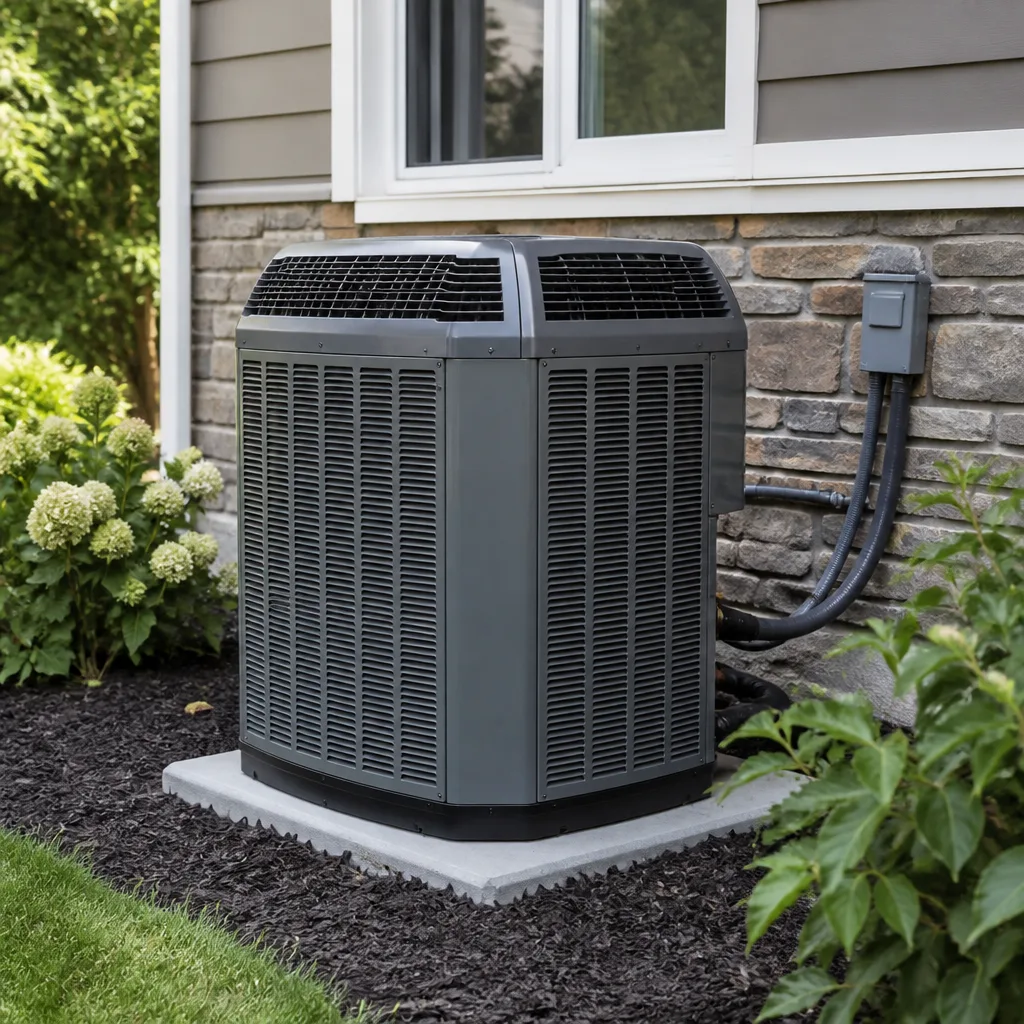 Trane
Trane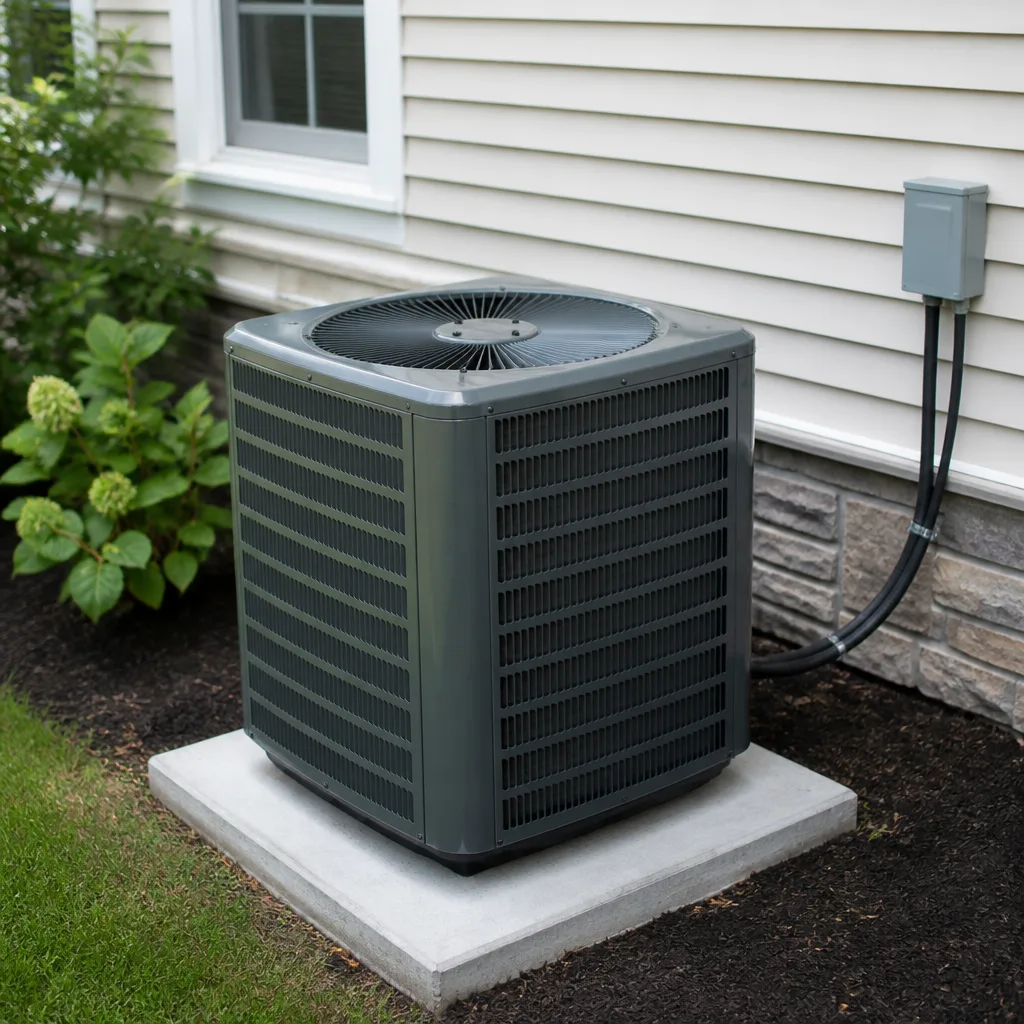 Goodman
Seasonal tune-up and full diagnostic on your Carrier, Trane, or Goodman system - readings shown to you before any repair is proposed
Diagnosis first, numbers second - you approve the repair price before a single part goes in.
Get your free estimateHVAC Permits, Codes & Inspections in CA: What You Need to Know
Here’s a number most West Covina homeowners never hear until it’s too late: an unpermitted HVAC install can void your equipment warranty before the first summer heat wave hits. Not because the equipment fails. Because the manufacturer’s warranty fine print requires installation “in accordance with all applicable codes.” No permit, no protected status. What follows is the actual process: which jobs need a permit under California Mechanical Code, what West Covina Building & Safety will charge you, how Title 24 energy rules change what your contractor can legally install, and what happens when an unpermitted system shows up on your property disclosure. We’ll walk through all of it, including the refrigerant rule changes that quietly reshaped what “compatible” means after 2025.
Quick Answer
Most HVAC replacements and new installations in California, including West Covina, require a mechanical permit issued by the local building department before work starts. The permit confirms the job meets California Mechanical Code, Title 24 energy standards, and current refrigerant regulations that are covered in our seasonal HVAC care guide. Skipping it risks fines, voided warranties, and required disclosure when you sell.
Styles & brands we work with
Table of Contents
- Which HVAC Jobs Require a Permit in California
- The West Covina Permit Process: Fees, Forms, Timelines
- Title 24 Energy Compliance: What It Actually Means for Your Replacement
- What an Unpermitted HVAC Install Does to Your Home Sale
- California Refrigerant Rules: R-22, A2L, and Your Next Repair
- Inspections Explained: What the Inspector Actually Checks
- Common Mistakes to Avoid
- When to Call a Professional
- Frequently Asked Questions
Which HVAC Jobs Require a Permit in California
California Mechanical Code section 106.1 is blunt: you need a permit to install, alter, or replace any heating, ventilating, or air conditioning system. That includes furnaces, air conditioners, heat pumps, ductwork, and the electrical and gas connections that feed them. The state doesn’t leave much room for interpretation. If equipment is being added, removed, relocated, or swapped at the end of its service life, a permit is the default requirement.
What’s actually exempt? Repairs and maintenance on existing equipment. Replacing a capacitor, swapping a contactor, changing a blower motor, cleaning coils, recharging refrigerant (when done as a repair, not a retrofit): none of these need a permit because the underlying system isn’t changing, though you can find a full AC repair maintenance checklist for West Covina homeowners to track what’s needed. The line is simple to state and often ignored in practice: if you’re fixing what’s there, no permit. If you’re changing what’s there, you need one.
Here’s the breakdown most contractors won’t volunteer:
- Full system replacement (furnace, AC, or heat pump): Permit required. Always.
- New ductwork or significant duct modification: Permit required. Duct design affects Title 24 compliance.
- Moving indoor or outdoor equipment to a new location: Permit required. Changes the installation envelope.
- Adding an AC to a home with furnace only: Permit required. New electrical circuit, new equipment, new load.
- Upgrading electrical panel to support HVAC: Permit required. Separate electrical permit, often pulled alongside the mechanical permit.
- Repair part replacement (capacitor, motor, board, contactor): No permit. This is maintenance.
- Thermostat replacement (non-relocation): No permit. But if you’re moving the thermostat location and running new wire, it’s technically part of an alteration.
- Refrigerant leak repair and recharge: No permit for the repair itself, but California refrigerant handling rules still apply (EPA Section 608 certification required for the technician).
We’ve seen West Covina homeowners get talked out of permits with phrases like “it’s a direct swap, same footprint, no one will notice.” That misses the point. A direct swap still requires an inspection to confirm gas line sizing, condensate drainage, electrical disconnect placement, and refrigerant charge. The permit isn’t bureaucracy; it’s the only legally binding proof that the job was checked by someone whose job is code compliance, not making the sale.
The West Covina Permit Process: Fees, Forms, Timelines
West Covina processes HVAC permits through its Building & Safety Division, and the process is more straightforward than most homeowners expect. The licensed contractor pulls the permit under their own license number (you should never be asked to pull your own mechanical permit for a contractor-installed system). A typical HVAC replacement permit in West Covina runs between $150 and $400 depending on project valuation, with additional inspection fees sometimes layered on. The city uses Los Angeles County adopted codes with local amendments, so the California Mechanical Code in effect is the 2022 edition with West Covina’s specific modifications.
Here’s the step-by-step:
- Contractor submits the permit application to West Covina Building & Safety, typically through the online portal or in person at City Hall. The application includes equipment specs, job scope, and the licensed contractor’s information.
- Plan review (if required). For a simple like-for-like replacement, West Covina typically doesn’t require full plan review. But if the job includes new ductwork, equipment relocation, or a panel upgrade, the building department may route it through a plan check, which adds 3 to 10 business days.
- Permit is issued. Once approved and paid for, the permit is active. Work can begin. The permit is valid for 180 days, and the contractor is legally required to start within that window or renew.
- Rough inspection. For new ductwork or significant modification, the city inspects before walls or attic space cover the work. For a simple replacement, this step is often combined with the final.
- Final inspection. A West Covina building inspector visits the property, verifies the installation against the submitted specs and code requirements, and signs off. The approved permit is then closed and kept on file with the city permanently.
We tell our customers in West Covina to expect the permit and inspection process to add two to five business days to a straightforward replacement timeline, mostly spent waiting on scheduling. The work itself is still typically completed in one day. The inspection happens after, which is why we always leave the permit card visible on the equipment and explain exactly what the inspector will look for before they arrive. No surprises on either side.
Title 24 Energy Compliance: What It Actually Means for Your Replacement
California’s Title 24 Building Energy Efficiency Standards don’t just say your new AC needs to be efficient. They say your home’s entire energy envelope, including the HVAC system, has to meet a calculated performance target. For a replacement, that means the new equipment’s efficiency rating (SEER2 and EER2 for cooling, AFUE for furnaces) has to meet or exceed what the Title 24 compliance software determines your home needs based on climate zone, square footage, window orientation, and existing insulation.
West Covina sits in California Climate Zone 9, which is a hot, inland Southern California zone. The practical implication: the minimum efficiency for a new central air conditioner in West Covina is a 14.3 SEER2, but the calculation often pushes higher depending on your specific home. So when a contractor quotes a 15 SEER2 or 16 SEER2 system, it’s not necessarily an upsell. It might be the floor of what passes Title 24 in your specific house.
Here’s what Title 24 triggers in practice for a West Covina replacement:
- Mandatory measurements: The contractor must measure the home’s livable square footage, window area, insulation levels, and duct location before selecting equipment.
- Compliance documentation: A certified Title 24 compliance report is generated and filed as part of the permit. You get a copy. It’s not optional paperwork; the permit won’t be issued without it.
- Duct leakage testing: When ducts are altered or significant portions are new, California requires a duct leakage test (HERS verification). The leakage must be below a specified threshold or the system fails inspection. In attics, this is a big deal in West Covina’s summer heat, where leaky ducts can sacrifice 20-30% of your cooled air into a 140-degree attic.
- Refrigerant charge verification: The installer must verify the refrigerant charge matches the manufacturer’s specification. Overcharged and undercharged systems fail energy compliance.
- Airflow verification: Title 24 requires verification that the system delivers proper airflow per ton of cooling. Low airflow is a leading cause of premature compressor failure, which is part of why the state mandates it.
The point of Title 24 isn’t paperwork for its own sake. It’s designed so the 15 SEER2 system you paid for actually operates at 15 SEER2 in the field, not 11 SEER2 because of sloppy installation. When a West Covina contractor skips Title 24 compliance, what you’ve really bought is a system with an unknown efficiency rating and no legal documentation of what was installed. The warranty and the energy savings are both at risk.
What an Unpermitted HVAC Install Does to Your Home Sale
Here’s the scenario we hear about most often from anxious sellers: you list your West Covina home, the buyer’s home inspector notices the AC unit is newer than the records show, a quick check with the city reveals no permit was ever pulled, and suddenly your escrow is on hold while everyone figures out who’s going to fix it, pay for it, or back out over it.
California’s real estate disclosure requirements (California Civil Code sections 1102-1102.17) require sellers to disclose all improvements, modifications, and repairs made to the property, including whether those changes were done with permits. There’s a specific checkbox on the Transfer Disclosure Statement for unpermitted work. Lying on that form is fraud. Telling the truth tanks the deal or forces a price concession. Neither is good.
The sequence typically goes like this:
- The buyer’s inspector or appraiser flags the system as newer than permit records reflect.
- The buyer’s lender, if the unpermitted work is substantial, may require it be legalized before funding. Many lenders won’t close on a property with known unpermitted HVAC work because the collateral value is unclear.
- The seller hires a licensed contractor to pull a retroactive permit, which West Covina can do on a case-by-case basis. If the installation is found to violate code, the seller pays to correct it. If it can’t be corrected, the seller credits the buyer for replacement.
- Everyone’s timeline extends by weeks. Deals fall apart. Prices get renegotiated under pressure.
In our experience, the retrofit process in West Covina is more expensive than the original permit would have been by a factor of three to five, because now you’re paying for the permit, an engineering evaluation, any corrective work, and the inspection, all under a deadline with a buyer watching. The cheapest permit is the one pulled before the unit goes in.
California Refrigerant Rules: R-22, A2L, and Your Next Repair
Refrigerant regulations have quietly become the most misunderstood part of HVAC compliance in California. The short version: R-22 (Freon) was fully phased out of production and import in 2020, but existing R-22 systems can still be serviced with reclaimed or recycled refrigerant until supplies run out. Supplies are running out. Prices for R-22 in the LA basin have gone from roughly $40 per pound a decade ago to $150 to $250 per pound in 2025, and continuing to climb. So if you have a pre-2010 AC and it springs a leak, the repair math has changed, not because anyone changed the rules, but because the physics of scarcity took over.
The newer story is A2L refrigerants. Starting in 2025, California aligned with the federal AIM Act to phase down high-GWP hydrofluorocarbons, pushing new residential systems toward A2L refrigerants like R-454B and R-32. These refrigerants are mildly flammable, which triggered a wave of new installation requirements: leak detection sensors, revised clearance rules for air handlers near ignition sources, updated charging limits based on room size, and specific labeling requirements.
What this means in practical terms for a West Covina homeowner:
- R-22 systems are not “banned” from operation. You can keep running one. But if it develops a significant leak, the refrigerant cost alone may exceed the value of the repair. At that point, replacement becomes the rational financial decision, not a preference.
- 410A systems are still fully supported. R-410A remains the most common refrigerant in systems installed between 2010 and 2024. It’s not phase-out exempt, but capacity is being managed, not eliminated. Most of our AC Repair in West Covina calls still involve R-410A systems.
- New installations in 2025 and 2026 will increasingly be A2L. That comes with the new sensor and clearance requirements. Your installer must be trained and equipped for A2L handling. If a contractor quotes an A2L system but doesn’t mention leak detection sensors or the updated installation standard, that’s a red flag.
- Refrigerant recovery is mandatory. When a system is removed or the refrigerant is evacuated for repair, the technician must recover the refrigerant using certified equipment. Venting refrigerants to atmosphere is a federal offense, and California’s enforcement in the LA basin has gotten aggressive.
The brand landscape matters here too. Manufacturers like Carrier, Bryant, Trane, and American Standard have all released A2L-ready product lines in 2024 and 2025, with specific installation training and tooling requirements. If you’re getting a quote for a new system, ask directly: “Is this an A2L system, and are the technicians certified for A2L installation?” A legitimate contractor answers immediately with the training verification. A contractor who hesitates or dismisses the question may not have made the transition yet. Halden Heating and Air West Covina is certified to service and install current equipment from Halden Heating and Air West Covina home brands including Carrier, Trane, Bryant, and American Standard systems, including the latest A2L-compliant lineups.
Inspections Explained: What the Inspector Actually Checks
A West Covina HVAC final inspection isn’t a rubber stamp. The inspector is verifying a specific checklist against the permit docs and the California Mechanical Code. Most inspections take 15 to 30 minutes and fail on the same handful of items every time.
Here’s what the inspector is looking at, in order of typical priority:
- Equipment matches the permit. The model and serial numbers on the installed furnace, AC, or heat pump must match what was submitted. Swapping a unit after the permit was issued without updating it is a fail.
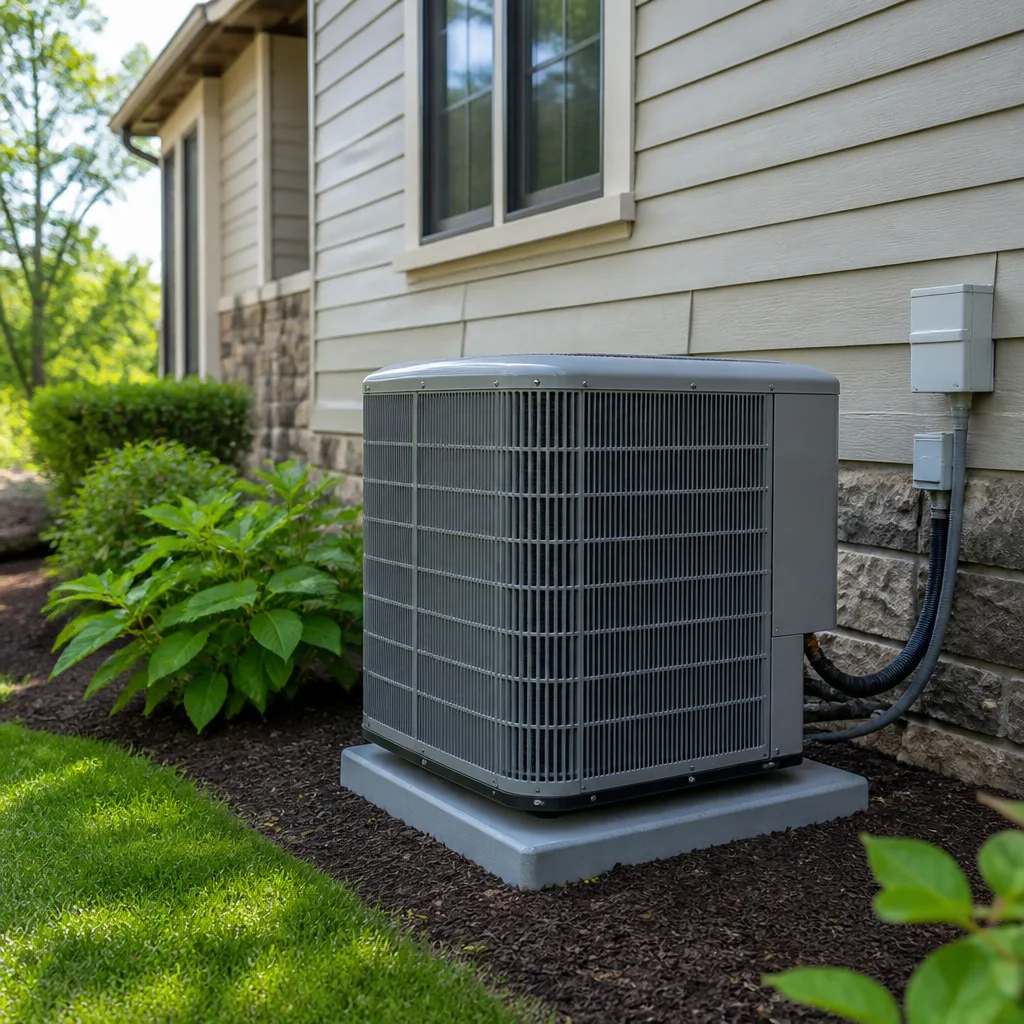
- Electrical disconnect placement. The outside unit must have a service disconnect within sight and within 50 feet. The circuit breaker and wire gauge must match the equipment’s minimum circuit ampacity and maximum overcurrent protection.
- Condensate drainage. AC condensate must drain to an approved location: outside, to a drain line, or to a properly installed condensate pump. Nowhere that creates a trip hazard or water damage, and not directly into a sewer line without an air gap.
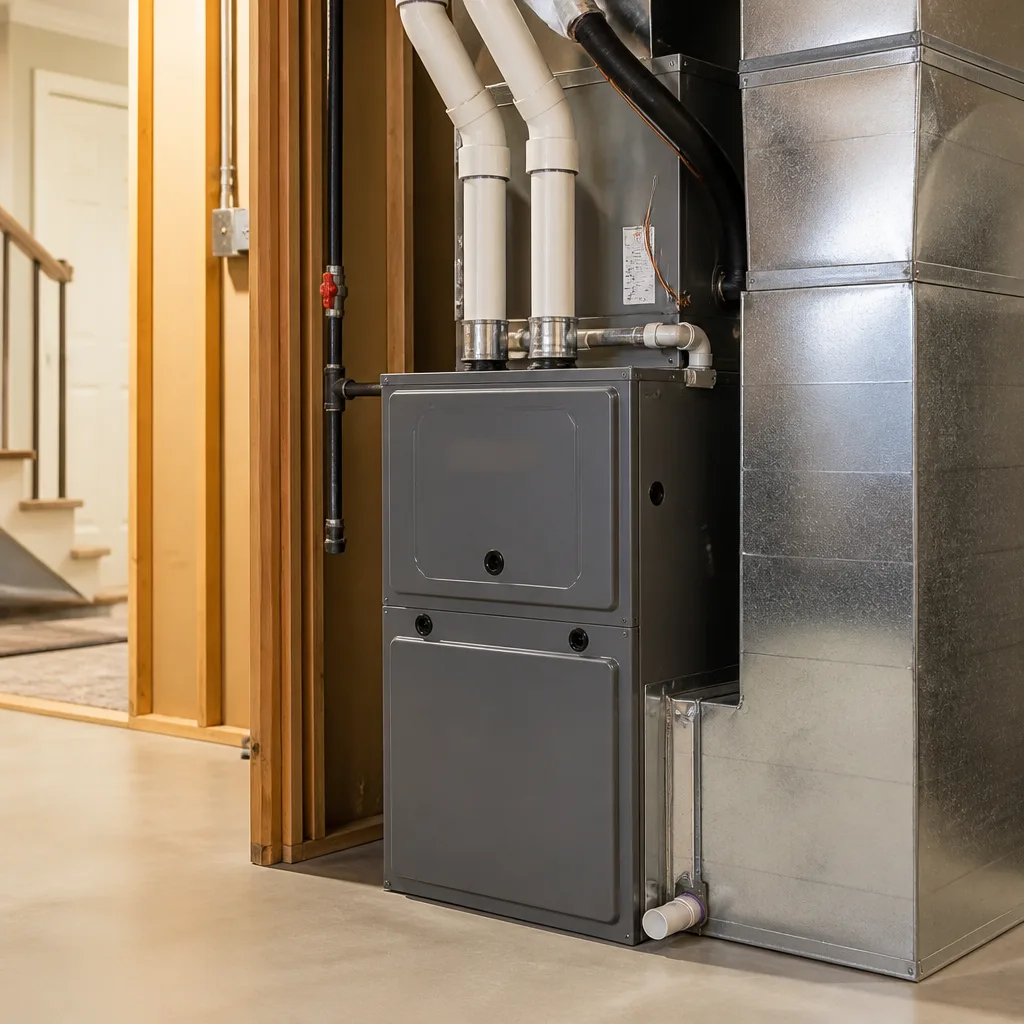
- Gas line connections. Furnace gas connections must be properly sealed, sized, and supported, with a shutoff valve within 6 feet of the appliance and a sediment trap installed on the gas line. Missing sediment traps are one of the most common inspection failures in West Covina furnace replacements.
- Flue and venting. For gas furnaces, the vent pipe must be properly sloped, supported, and sealed, with correct clearance from combustibles. Carbon monoxide safety is the underlying concern here, and inspectors take it seriously.
- Refrigerant lines and charging. For AC and heat pumps, the inspector verifies line set insulation and may check the contractor’s documentation of proper charge and airflow per the manufacturer’s specs and Title 24.
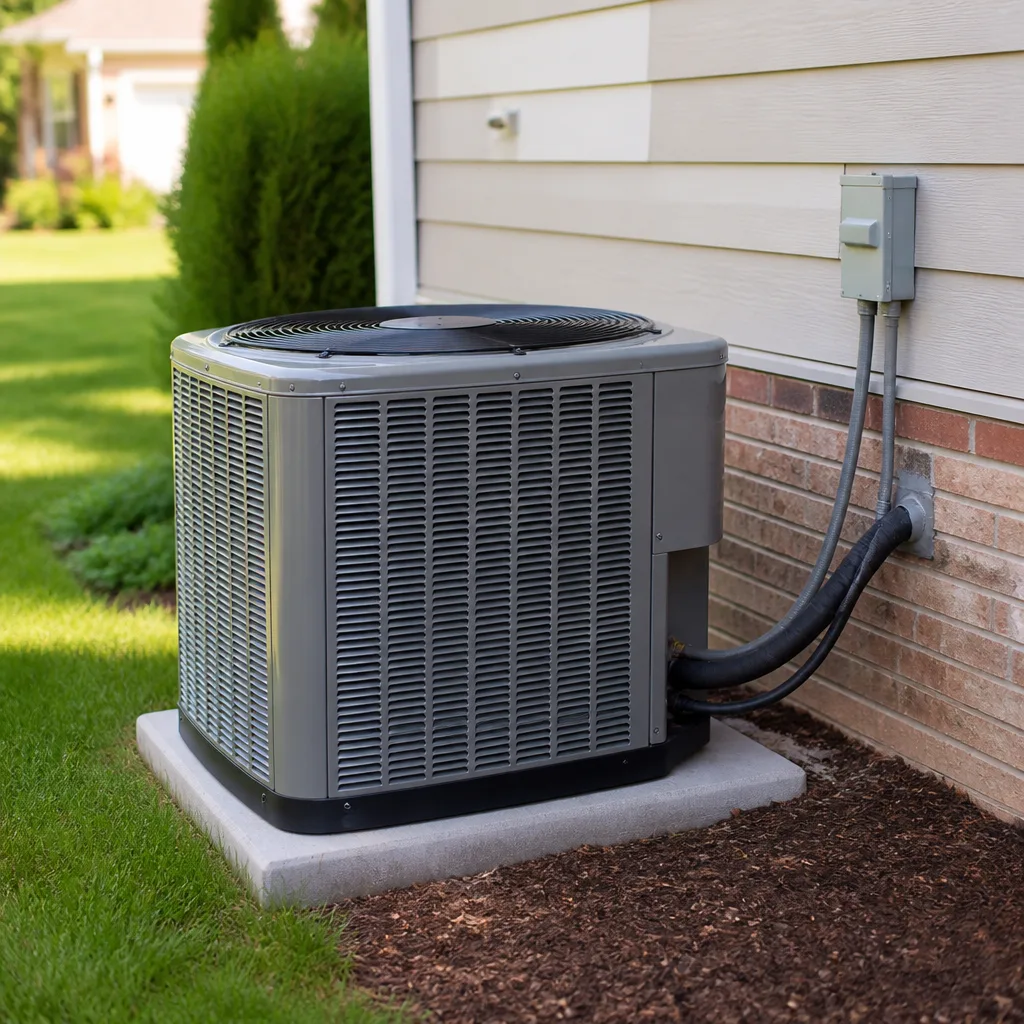
- Platform and clearances. The outdoor condenser must sit on a level, stable pad and maintain required clearances from walls, fences, and other obstructions for proper airflow.
If the inspection fails, the contractor corrects the issue and schedules a re-inspection, which carries a small additional fee. If the contractor is worth their license, a failed final inspection is rare. We brief every West Covina customer on what will happen when the inspector arrives, and we stay on site for the inspection. You should never be left to explain your contractor’s work to a building inspector alone.
Common Mistakes to Avoid
- Believing “direct replacement means no permit.” Every replacement in California requires a permit, even when the new unit sits in the exact same spot with the exact same connections. The permit is what verifies the new system wasn’t miswired, mischarged, or poorly vented.
- Letting the contractor pull the permit under someone else’s license. The permit must be pulled by the licensed contractor doing the work. A contractor who asks you to pull your own homeowner permit is offloading liability onto you. A contractor who uses a different license number is committing fraud.
- Skipping the Title 24 documentation. Some West Covina homeowners get a verbal “yeah, it’s compliant” and never receive the compliance report. If it wasn’t filed, the permit wasn’t complete, even if the physical work looks fine. Ask for the Title 24 certificate before you pay the final invoice.
- Replacing a furnace without checking the existing venting. High-efficiency furnaces vent differently than older models. A 90+ AFUE furnace with PVC venting installed where a metal flue was can create a carbon monoxide hazard if the old vent isn’t properly sealed and the new one isn’t routed correctly.
- Ignoring refrigerant compatibility questions. If you have an R-22 system and a contractor quotes a repair that involves “adding a little Freon,” ask where the refrigerant is coming from and verify the tech’s EPA certification. Illegal refrigerant handling creates liability for you as the homeowner when it’s discovered.
- Paying in full before the final inspection passes. The permit isn’t closed until the inspector signs off. Hold back final payment until the inspection is complete and passed. Legitimate contractors in West Covina structure their billing this way automatically.
- Filing the permit away and forgetting it exists. Keep the approved permit and inspection record with your home documents. When you sell, that paperwork is worth more than the paper it’s printed on. It’s the difference between a clean disclosure and a price concession.
When to Call a Professional
Any time equipment is being replaced, relocated, or newly installed, you’re legally required to work with a California-licensed HVAC contractor who pulls the permit under their own license. But there’s a finer line: if you inherit a home with unpermitted HVAC work, or you bought a property and later discovered the system was never permitted, call a licensed contractor to evaluate the system before you touch anything. The fix is almost always more affordable if addressed voluntarily than if discovered during escrow.
Halden Heating and Air West Covina offers free estimates in West Covina, including permit and Title 24 compliance evaluation on any replacement. Call (831) 607-5485 for a straight answer about what your specific project requires, what it will cost, and how long the permit process will take in the city of West Covina. We’ll put the number in writing before any work starts.
Frequently Asked Questions
Yes. Any central air conditioning replacement in West Covina requires a mechanical permit from the West Covina Building & Safety Division before the new equipment is installed. The permit verifies compliance with the California Mechanical Code, Title 24 energy standards, and current refrigerant regulations. A “direct swap” is not exempt.
A typical HVAC replacement permit in West Covina costs between $150 and $400, depending on project valuation and whether plan review is required. Re-inspection fees are additional if the first inspection fails. Your contractor should include the permit fee as a line item in your written estimate, not bury it or claim it’s “included” without specifying the amount.
Yes, but you must disclose it on the Transfer Disclosure Statement, and the disclosure will likely reduce your sale price or delay closing. Most buyers’ lenders require retroactive permits and inspection for unpermitted mechanical work, which typically costs three to five times more than the original permit would have. The practical answer: fix it before you list.
The work is legally unpermitted, which means your equipment warranty may be voided, your homeowner’s insurance may deny a claim related to the system, and you’ll have to disclose the unpermitted work when you sell. You also have no legal record that the installation met any safety or efficiency standard. The liability sits with you, not the contractor, because the property is yours.
A straightforward like-for-like replacement in West Covina typically adds two to five business days to the project timeline. The permit application is usually processed in one to three days, with the inspection scheduled after installation. Projects requiring plan review, such as new ductwork or equipment relocation, add three to ten business days.
Yes, R-22 systems can continue operating, but production and import of new R-22 ended in 2020, so refrigerant is only available from reclaimed or recycled stock. Prices have climbed to $150 to $250 per pound in the Los Angeles area, which changes the repair-versus-replace calculation for any significant leak. Most AC Installation in West Covina quotes in 2025 and 2026 involve transitioning to A2L refrigerants on new systems.
No, the same mechanical permit covers furnace and AC replacement in West Covina, though the inspection checklist differs: furnace inspections focus on gas connections, venting, and carbon monoxide safety, while AC inspections focus on electrical disconnect, refrigerant charge, and condensate drainage. Many West Covina homeowners replace both at the same time under a single permit. If you’re replacing a Furnace Repair in West Covina situation with a full furnace replacement, the permit is still required and follows the same West Covina process. Call (831) 607-5485 to get a written price for your specific project, including all permit fees.
The Bottom Line
California HVAC permits aren’t optional paperwork; they’re the only legal proof that your system was installed to code, meets Title 24 energy standards, and qualifies for the manufacturer’s warranty. In West Covina, the process is manageable when handled correctly by a licensed contractor, and catastrophically expensive when ignored until a sale or an insurance claim exposes the gap. The refrigerant transition from R-22 to A2L adds another layer: what you install today is governed by rules that changed in 2025 and will continue evolving. Ask your contractor direct questions about permits, inspections, and refrigerant before you sign, and explore more guides & resources on our blog. The answers tell you everything you need to know about who you’re really hiring.
Written by Andre Fuller, Owner at Halden Heating and Air West Covina, serving West Covina since 2004.
See the difference
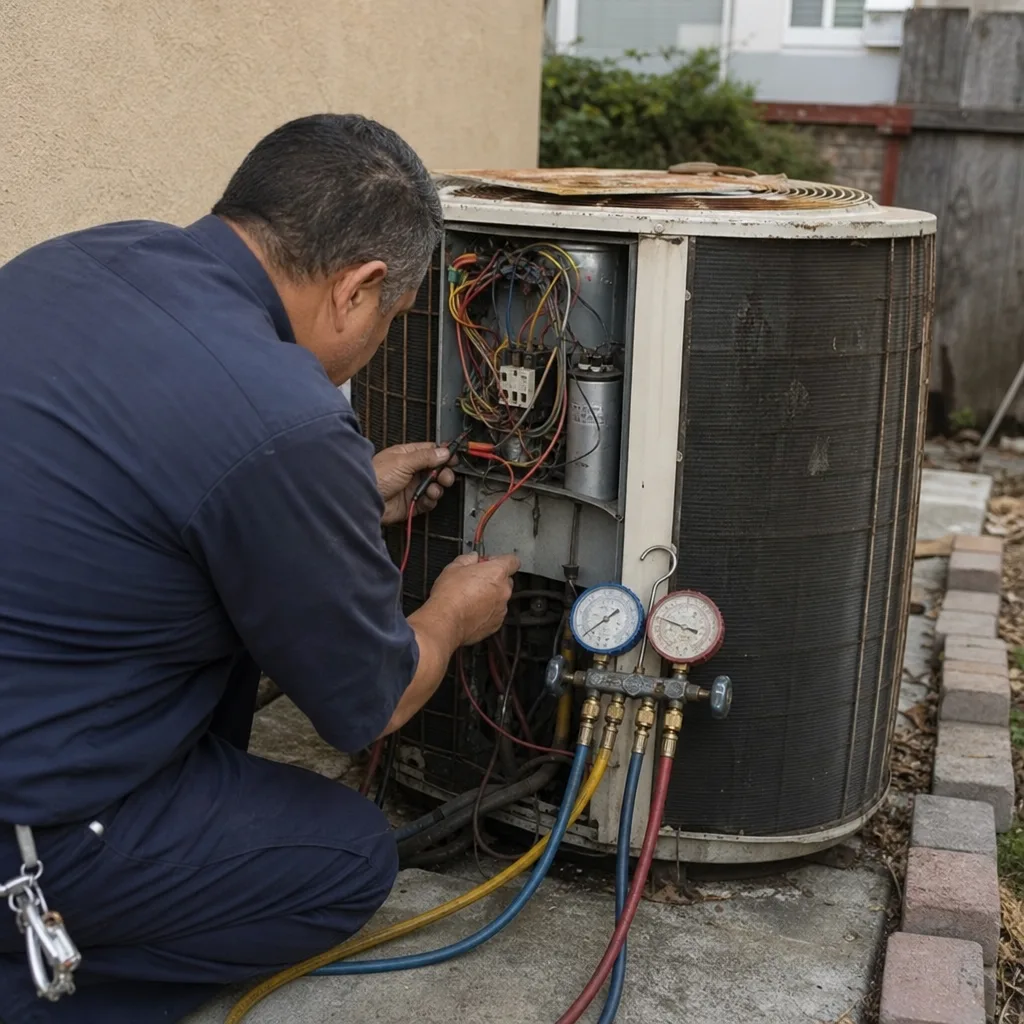 Before
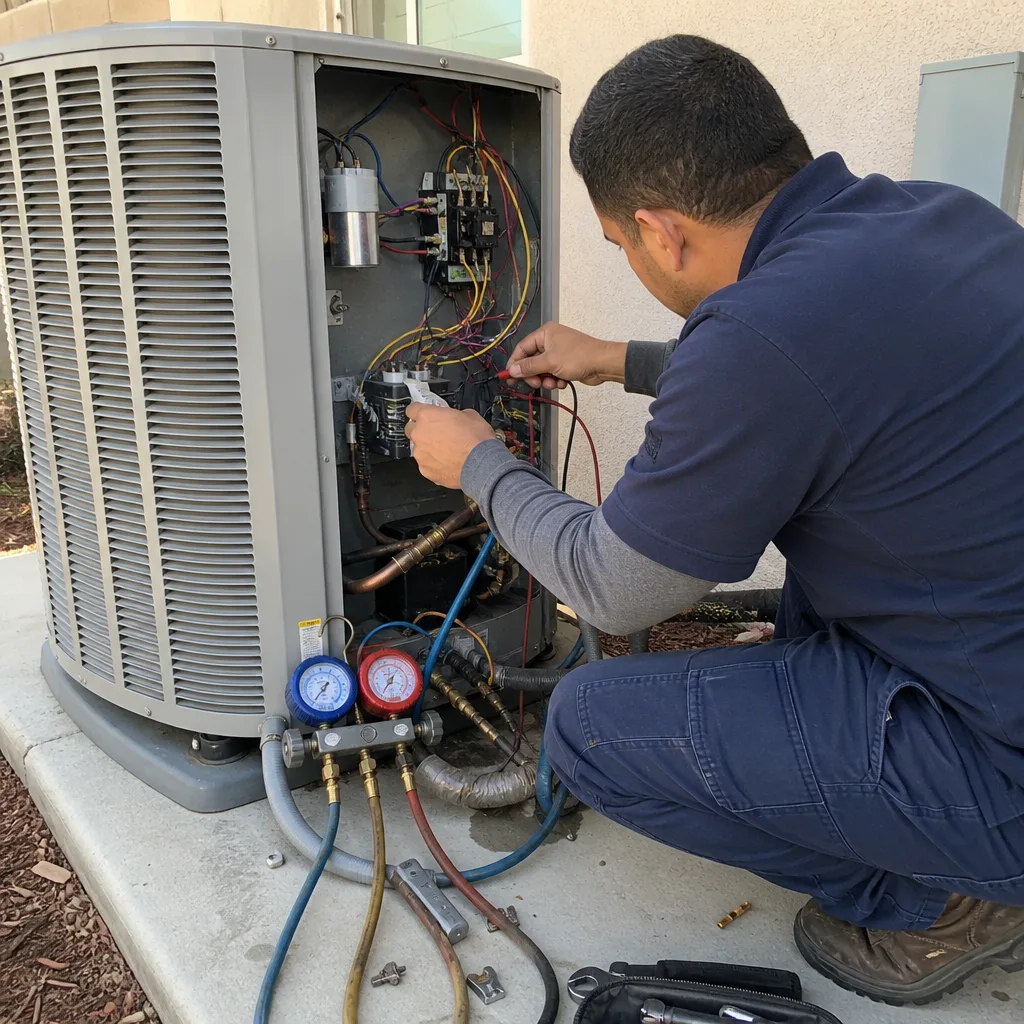 After
After Before
 After
After Before
 After
After