
Last updated October 16, 2026
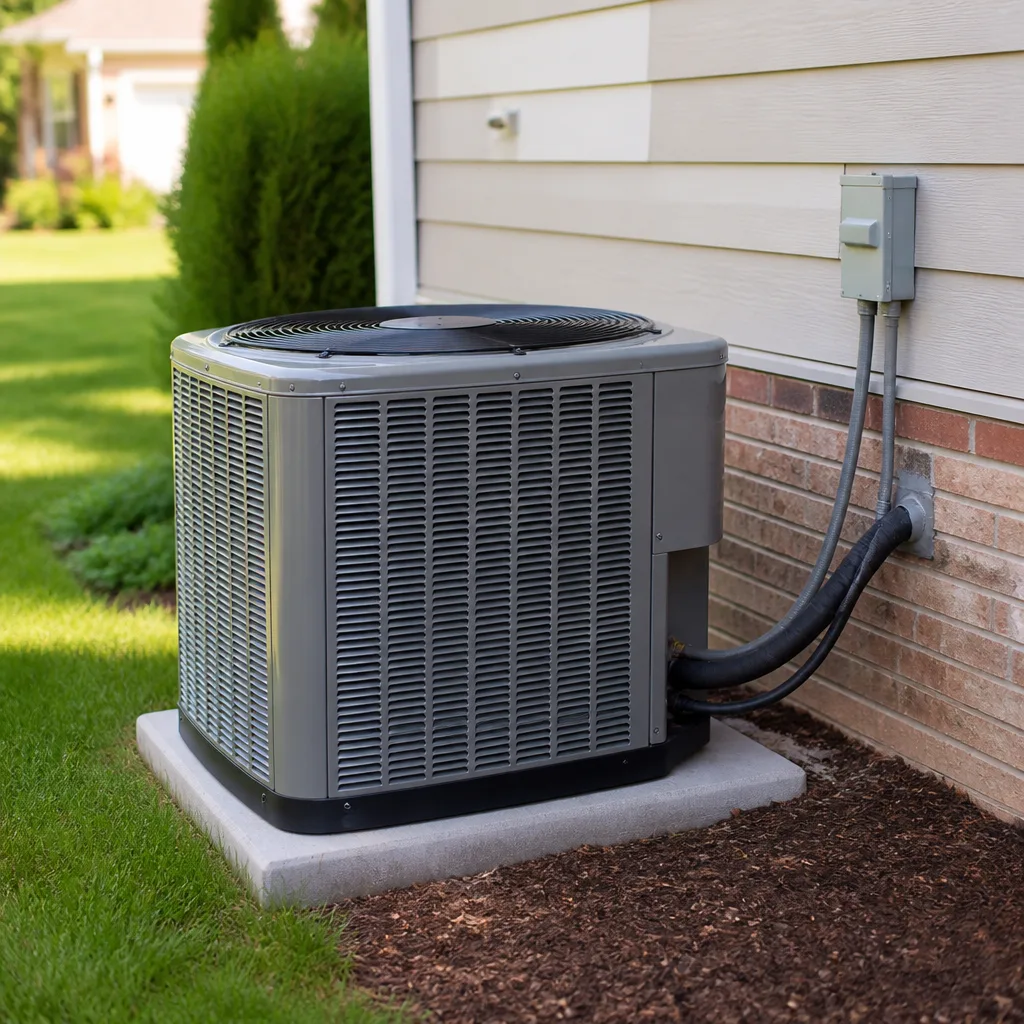 AC repair
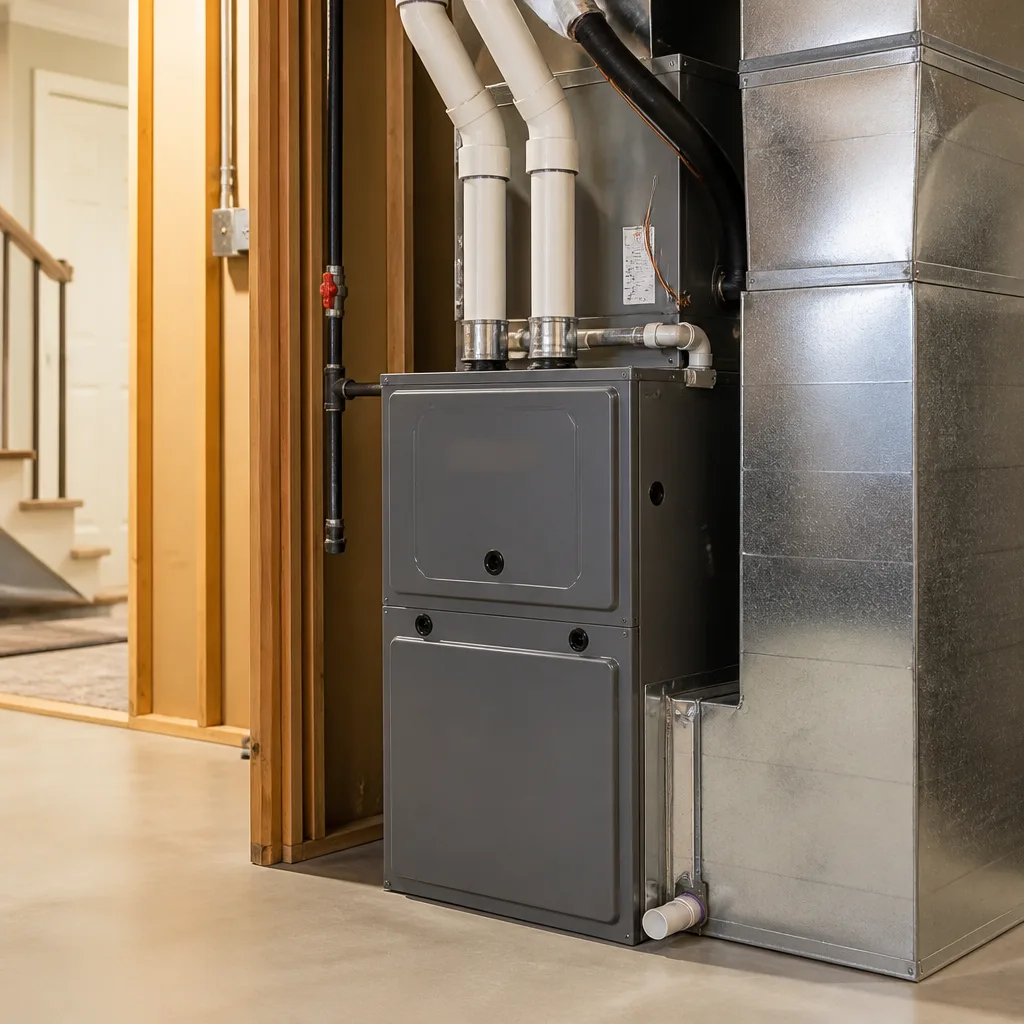 Furnace & heating
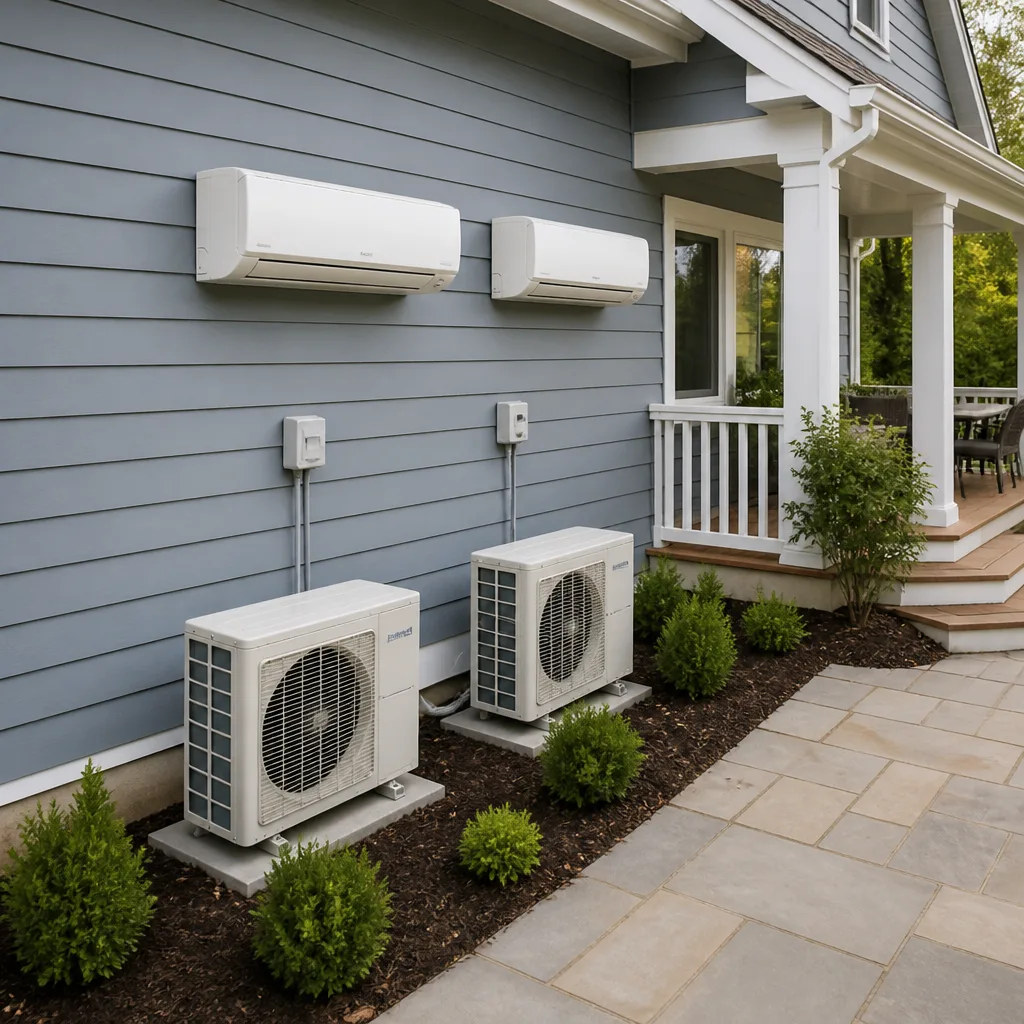 Ductless mini splits
 Carrier
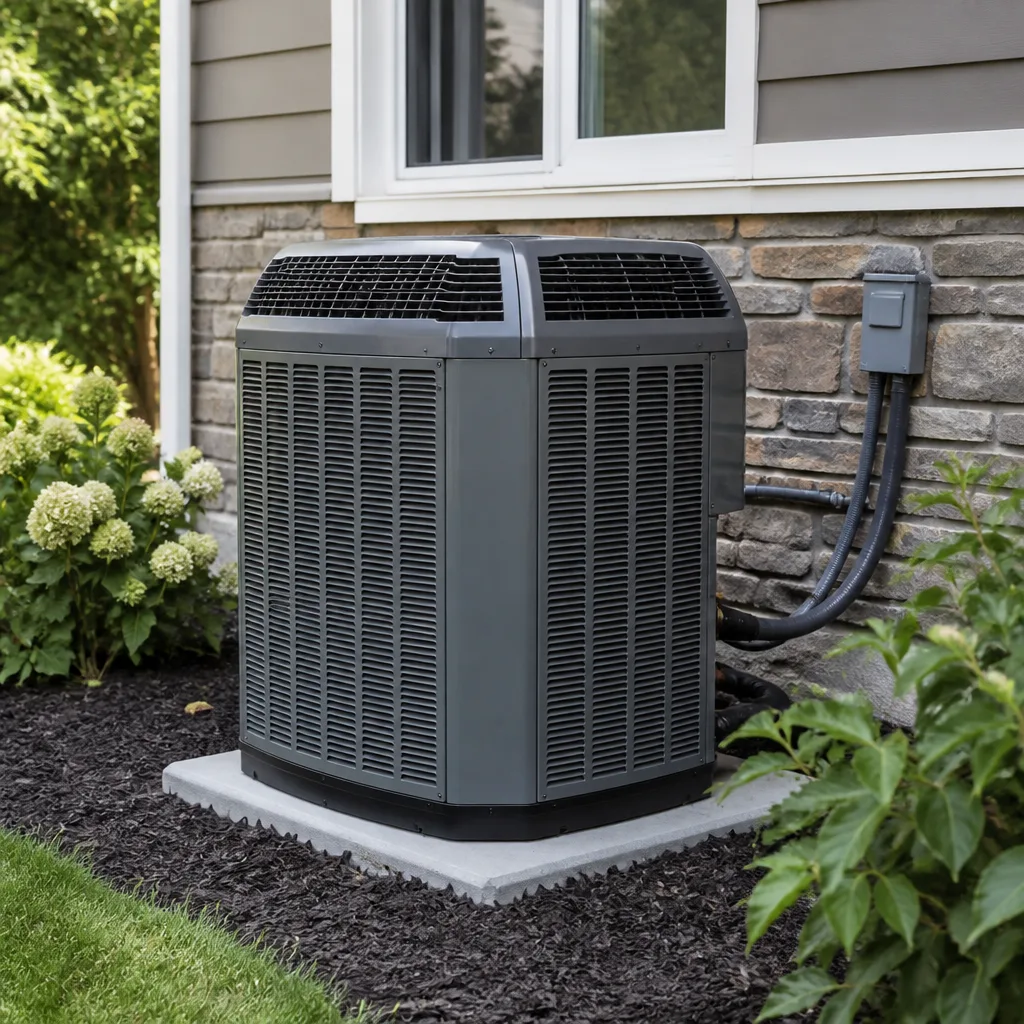 Trane
Trane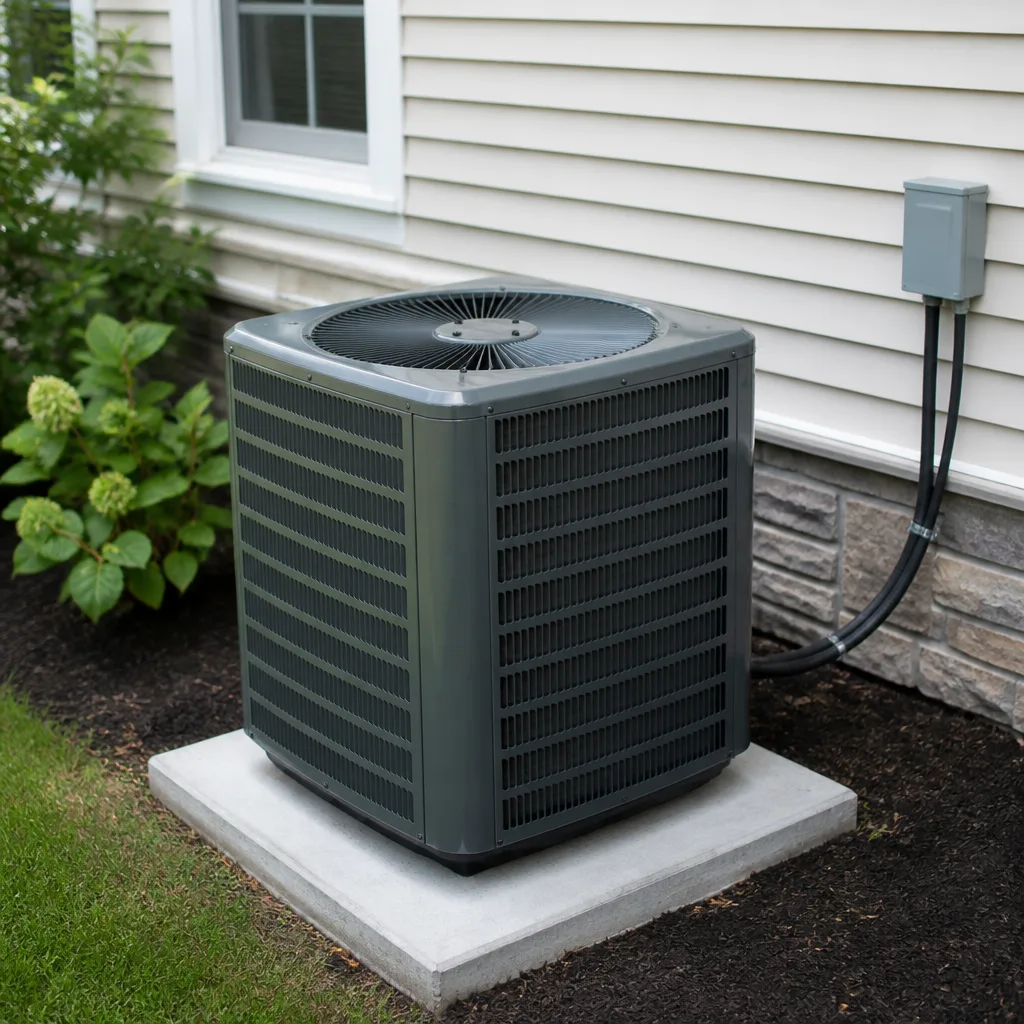 Goodman
Seasonal tune-up and full diagnostic on your Carrier, Trane, or Goodman system - readings shown to you before any repair is proposed
Diagnosis first, numbers second - you approve the repair price before a single part goes in.
Get your free estimateHVAC Warning Signs: A West Covina Homeowner’s Reference Guide
A burning smell from your vents is not always an emergency. But the difference between dust burning off a heat strip and the acrid, unmistakable odor of melting electrical insulation could mean the difference between a $40 filter change and a $4,000 system failure. Most more guides & resources list symptoms without telling you which ones mean “keep an eye on it” versus “turn the system off right now.” This guide gives West Covina homeowners a clear severity tier for every common HVAC warning sign, plus the local factors (hard water, valley dust, summer heat spikes) that change how those signs show up in your home. By the end, you will know exactly what to monitor, what to schedule, and what to shut down immediately.
Styles & brands we work with
Quick Answer
HVAC warning signs fall into three severity tiers: watch it (minor changes like slight airflow reduction or a faint musty smell), schedule soon (persistent noises, short cycling, or utility bill spikes of 15% or more), and shut it down now (burning electrical smells, a frozen outdoor unit, or carbon monoxide detector alarms). In West Covina, where summer temperatures routinely exceed 90°F, ignoring a “schedule soon” warning often turns it into a “shut it down now” emergency within two weeks, which is why our Seasonal HVAC Care for West Covina: Year-Round Homeowner’s Guide recommends proactive scheduling.
Table of Contents
- The Three-Tier Severity System: How to Read Every Warning Sign
- What Your HVAC Unit Is Telling You: Sound-Based Diagnostics
- Smells from the Vents: Which Ones Are Dangerous
- The Utility Bill Warning Signs That Show Up First
- West Covina-Specific Factors: Hard Water, Dust, and Heat
- DIY-Resolvable Warning Signs vs. Warranty-Voiding Risks
- Seasonal Warning Sign Checklist for West Covina Homes
- Common Mistakes to Avoid
- When to Call a Professional
- Frequently Asked Questions
- The Bottom Line
The Three-Tier Severity System: How to Read Every Warning Sign
Every HVAC symptom you will ever encounter fits into one of three categories. The trick is knowing which one you are looking at before you either panic-call a tech at midnight for a non-issue or ignore a real problem until the compressor dies. Here is the system we use when homeowners describe symptoms over the phone, and it works just as well for you standing in front of your thermostat.
Tier 1: Watch It
These signs indicate normal wear or minor inefficiency. You do not need to call anyone today, but you should note when you first noticed the issue and check again in a week or two. If it gets worse, it moves up a tier.
- Slightly reduced airflow from one vent: Could be a damper partially closed, a dirty vent cover, or a filter starting to clog. Note which vent and check again after replacing the filter.
- Faint musty smell on startup: Common in West Covina during the first heat wave of the season. Condensation on the evaporator coil grows a little mildew during cool, damp shoulder seasons. It usually burns off within 10 minutes of runtime.
- Thermostat reading 1-2 degrees off from a separate room thermometer: Calibration drift is normal over years of use. Replace batteries and recheck.
- Outdoor unit looks dirty but is running: Dust, leaves, and cottonwood debris accumulate on condenser fins. Reduced efficiency is the concern, not immediate failure.
Tier 2: Schedule Soon
These signs mean something is degrading and will probably fail, but not tonight. In our experience across West Covina, a Tier 2 warning left unaddressed through one summer tends to become a Tier 3 emergency, usually on the hottest day of the year when every HVAC company in the San Gabriel Valley is booked solid.
- Short cycling: The system turns on and off every 5-10 minutes instead of running 15-20 minute cycles. This stresses the compressor and wastes energy. Common causes include an oversized unit, a refrigerant leak, or a failing thermostat.
- Utility bill up 15% or more with no lifestyle change: Your system is working harder than it should. Early refrigerant leaks, dirty coils, and failing capacitors all show up on the bill before they show up as a breakdown.
- Persistent rattling, banging, or hissing: See the sound diagnostics section below for what each specific noise means.
- Uneven temperatures between rooms by more than 4-5 degrees: Duct leaks, failing dampers, or an incorrectly sized system. This does not self-correct, and it gets worse every year.
- Condensation or water stains near the indoor unit: A clogged condensate drain or a failing condensate pump. Water damage to the area around your air handler gets expensive fast.
Tier 3: Shut It Down Now
These are the warnings that mean turn the system off at the thermostat and the breaker, then call someone who answers the phone at any hour. Do not run the system “one more night” with any of these symptoms. The risk is fire, carbon monoxide exposure, or a $3,000 compressor replacement that could have been a $300 repair.
- Burning electrical smell from the vents or the outdoor unit: This is melting insulation or an overheating motor. The smell is sharp, acrid, and chemical-sweet, not dusty or smoky. Shut the breaker off and leave it off until a technician inspects it.
- Carbon monoxide detector alarms, or flu-like symptoms (headache, nausea, dizziness) that improve when you leave the house: This is a cracked heat exchanger on a gas furnace. Leave the house immediately, shut the furnace off at the breaker if you can do so safely, and call for emergency service. Do not re-enter until the system is inspected.
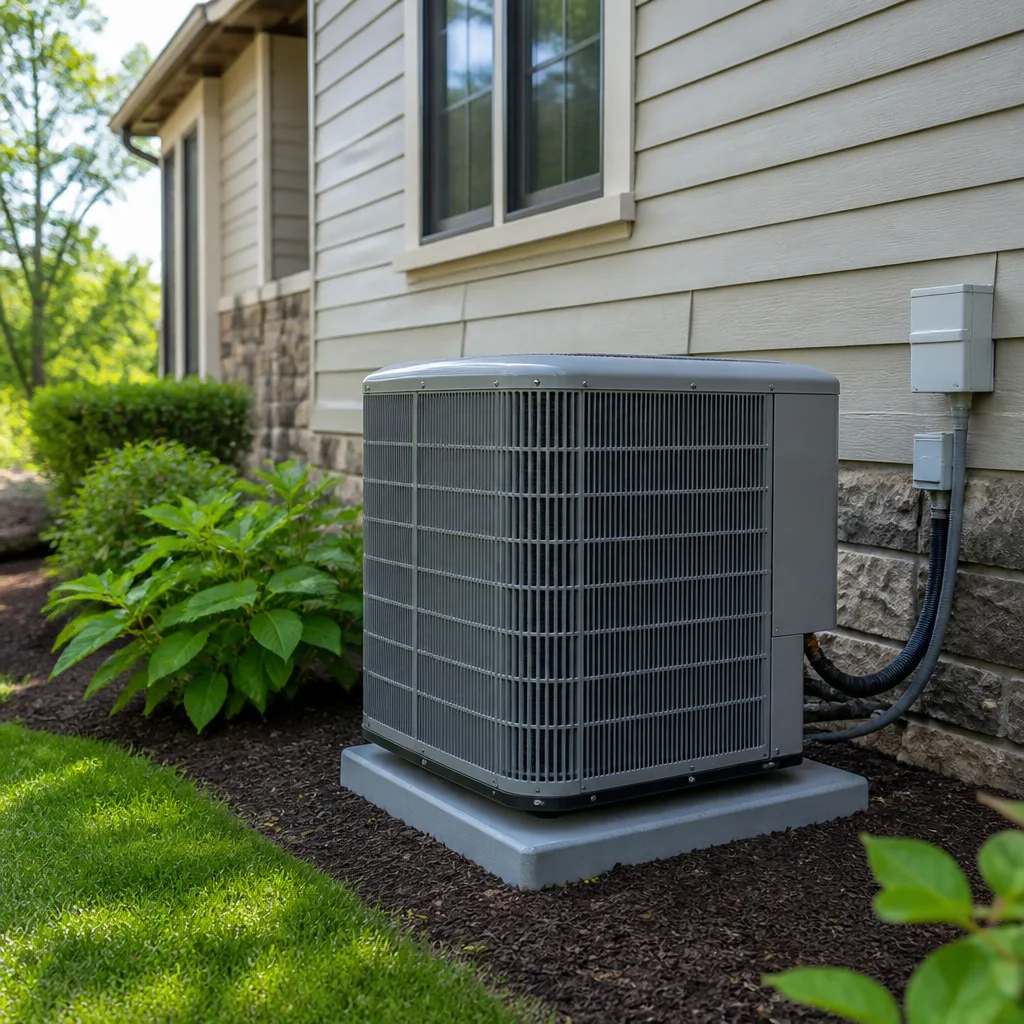
- The outdoor unit is frozen over in summer: Ice on the condenser coil or refrigerant lines in 90-degree West Covina heat means severely low refrigerant or zero airflow across the coil. Running it while frozen will destroy the compressor. Turn the system to “off” (not “cool,” which continues sending refrigerant) and let it thaw while you wait for service.
- Loud banging from the outdoor unit on startup: This can indicate liquid refrigerant slugging the compressor, which damages valves and bearings. One or two bangs might be a failing capacitor. Repeated banging means internal damage is happening right now.
- Sparks, visible smoke, or a burning plastic smell from the furnace during heating season: Shut the gas valve off if you know where it is, cut power at the breaker, and call for emergency service. Do not run a furnace that is visibly sparking.
What Your HVAC Unit Is Telling You: Sound-Based Diagnostics
An HVAC system makes noise. That is normal. But the character of the noise tells you what is happening inside the unit, and most West Covina homeowners can learn to read these sounds the way a mechanic reads an engine knock. Here is a plain-language decoder for the four most common sounds we get calls about.
Banging or Clanking
A bang or clank from the outdoor condenser unit usually means a loose or broken internal part: a compressor mount that has worked loose, a fan blade hitting the housing, or a connecting rod beginning to fail. In furnaces, a bang on startup is often a delayed ignition, where gas builds up for a second before the igniter fires. A single bang once in a while is not catastrophic, but repeated banging means metal is contacting metal inside a component that was not designed for it. That never fixes itself, and it always gets more expensive the longer you wait.
Hissing or Whistling
A continuous hiss from the indoor unit, especially near the refrigerant lines, suggests a refrigerant leak. Refrigerant is under pressure, and a pinhole leak hisses. A whistle from the ducts means air is escaping through a gap, which is less urgent but wastes energy and pulls attic dust into your living space. A hiss that stops when the system cycles off is refrigerant-related. A hiss that continues after shutdown could be duct pressure equalizing. In West Covina, refrigerant leaks are among the top three AC failure causes we see, right behind capacitor failures and clogged condensate lines.
Clicking
A single click when the thermostat calls for cooling is normal, the relay is engaging. Repeated, rapid clicking means the contactor or the thermostat is failing to hold the circuit closed. This is often the capacitor, a $30-$80 part that gives the compressor its startup jolt. If you hear rapid clicking from the outdoor unit and the fan is not spinning, turn the system off and call for service. Running a compressor without the fan spinning is one of the fastest ways to burn out a $2,000 compressor for want of a $60 part.
Rattling
Rattling is almost always something loose: a screw that backed out, a panel vibrating, debris that got sucked into the condenser housing, or a failing fan motor bearing. Check for visible debris around the outdoor unit first. If the unit is clear and the rattle persists, it is a mechanical issue that will get louder. A rattling outdoor unit in West Covina is often carrying extra dust and debris from the dry summer months, so keeping the area around the condenser clear of leaves and brush is genuinely useful preventive work.
Smells from the Vents: Which Ones Are Dangerous
Smell is the warning sign that most often gets misread. Here is how to tell the dangerous ones from the nuisance ones, because your nose is actually a remarkably accurate diagnostic tool once you know what each smell means.
Burning Dust Smell
This happens the first time you switch the furnace on for the heating season. Dust settles on the heat exchanger and heat strips during the months the furnace sits idle, and the first fire-up burns it off. The smell is like a hairdryer on a dusty floor: warm, dusty, slightly smoky. It should dissipate within 30-60 minutes. If it persists for more than a full day of runtime, you likely have a dirty filter or an overheating blower motor, which is a Tier 2 issue.
Burning Electrical or Plastic Smell
This is different. It is sharp, acrid, and chemical-sweet, like melting wire insulation or a burning circuit board. It does not fade after an hour, and it usually gets stronger. This is insulation melting off a wire, a motor winding overheating, or a capacitor leaking and burning. Shut the system down at the breaker immediately. This is the difference the opening hook referenced: dust smell is annoying, electrical smell is a fire hazard, and you should not run the system until a technician has looked at it.
Rotten Egg or Sulfur Smell
Natural gas is odorless, so utilities add mercaptan, which smells like rotten eggs. If you smell it near your furnace, you have a gas leak. Do not flip any switches, do not light anything, and do not use your phone inside the house. Leave the house, call your gas utility from outside, and then call for furnace service once the utility clears the line. In West Covina, where many homes run gas furnaces, this is the one smell homeowners should never try to diagnose further on their own.
Musty or Dirty Sock Smell
This is microbial growth on the evaporator coil or in the drain pan. The coil sits in a dark, damp space, and when it is not draining properly or the system sits idle through a humid stretch, bacteria and mold grow. West Covina’s spring and early summer humidity, combined with the San Gabriel Valley’s dust, makes this more common than homeowners expect. A coil cleaning usually resolves it. An HVAC technician can apply an antimicrobial treatment to the coil, and in some cases a UV light installation prevents recurrence.
The Utility Bill Warning Signs That Show Up First
Your HVAC system is the single largest energy consumer in a West Covina home, typically 40-50% of a monthly utility bill, and our AC Repair Maintenance Checklist for West Covina Homeowners shows where to look for savings. That means efficiency problems show up in your bill weeks or months before they show up as a failure. Most homeowners miss these signs because they do not compare bills year-over-year. Here is how to read your bill for HVAC health.
What to Compare
Pull your utility bill for the same month last year, not last month. Weather shifts make month-to-month comparisons misleading. A 15% increase year-over-year with no change in thermostat settings, occupancy, or new appliances means your system is using more energy to produce the same comfort. That energy is going somewhere: escaping refrigerant, a failing capacitor making the compressor work harder, dirty coils reducing heat transfer, or ducts that have developed leaks.
Why the Bill Is the First Warning
An HVAC system that is losing efficiency does not announce itself with a bang. A slow refrigerant leak reduces cooling capacity by 10%, so the system runs 20% longer to hit the same temperature. The compressor wears faster. The electric meter records every extra minute. By the time you feel the system struggling to keep up, the leak has often progressed to the point where a recharge no longer makes sense and you are looking at a replacement. The monthly bill is the earliest, most consistent diagnostic tool you own, and most West Covina homeowners never use it for that purpose.
What to Do With a Bill Spike
- Confirm the spike is real and not a rate increase or billing estimate correction.
- Replace your air filter, a clogged filter alone can add 5-15% to runtime.
- Check that no vents are blocked by furniture or rugs in rooms you use most.
- If the spike persists after two billing cycles, schedule a system inspection. A technician can measure refrigerant pressures, test the capacitor, and check duct static pressure to find exactly where the energy is going.
West Covina-Specific Factors: Hard Water, Dust, and Heat
HVAC warning signs do not look the same everywhere. A homeowner in Seattle and a homeowner in West Covina can run identical systems, and the symptoms of the same underlying issue will present differently. For deeper context, see The Complete Guide to HVAC in West Covina; here is what the San Gabriel Valley climate and water supply do to HVAC systems, and what to watch for as a result.
Hard Water and the Condensate System
West Covina’s water supply is moderately hard to hard depending on your exact neighborhood, and that mineral content ends up in your HVAC system. The evaporator coil creates condensation, which flows into a drain pan and out through a condensate line. As that water evaporates, it leaves behind mineral scale, the same white crust you see on a faucet. Over time, that scale narrows the drain line. A narrowed drain backs up, the pan overflows, and you get water damage around the indoor unit. We see this pattern constantly in West Covina homes, particularly in the warmer months when the AC runs hard and produces more condensate. If you notice water staining or a small puddle near your indoor unit, that is a Tier 2 sign that your condensate line needs clearing. The fix is simple and inexpensive when caught early; the water damage repair is not.
Valley Dust and the Air Filter
The San Gabriel Valley is dry and dusty, particularly during Santa Ana wind events and the late summer months. That dust loads up air filters faster than in coastal climates. A filter that a manufacturer rates for 90 days will often clog in 45-60 days in a West Covina home. A clogged filter is the most common root cause of three different cascading problems: reduced airflow, frozen coils, and overheating blower motors. The fix is the cheapest maintenance item in the entire HVAC world: check your filter monthly during summer and winter peak use, and replace it more often than the package says.
Heat and the Outdoor Unit
West Covina regularly hits 90°F in July and August, with occasional stretches over 100°F. Your outdoor condenser is built to reject heat into outside air, and the hotter that air is, the harder the system works. A system that is already slightly low on refrigerant or has dirty coils will hold its own in mild weather but start short cycling and overheating during a summer heat wave. That is when most compressors die in West Covina, during the second or third week of a sustained heat event, when the system has been running nonstop for days. If your AC is keeping up in May but struggling in August, that is not normal seasonal variation. That is a component problem that heat has exposed.
DIY-Resolvable Warning Signs vs. Warranty-Voiding Risks
There is a line between homeowner maintenance and work that only a licensed tech should attempt. Knowing where that line is saves you money on one side and protects your warranty and your safety on the other. Here is what you can safely do yourself and what you should never touch.
Safe to Handle Yourself
- Air filter replacement: This is the single most important maintenance task and the easiest. Locate the filter slot on your air handler or return vent, slide the old filter out, note the arrow on the frame, and insert the new one with the arrow pointing toward the unit. In West Covina’s dust, check monthly and replace more often than the package suggests.
- Clearing debris around the outdoor unit: Leaves, grass clippings, cottonwood fluff, and trash accumulate around the condenser. Clear a two-foot radius. Turn the unit off at the breaker first, and gently rinse the coils with a garden hose (not a pressure washer) if they are visibly dirty.
- Checking and unblocking vents: Walk the house and make sure no furniture, rugs, or curtains block supply or return vents. This costs nothing and can resolve several airflow warnings.
- Thermostat battery replacement: Dead batteries cause erratic behavior, incorrect readings, and short cycling. If the display is dim or the system behaves erratically, replace the batteries before calling anyone.
Never Attempt Yourself
- Refrigerant handling: Refrigerant is regulated by the EPA and requires a license to purchase, handle, or recharge. If your system is low, there is a leak, and topping it off without finding the leak is throwing money away. This is a licensed-tech-only repair.
- Electrical component replacement: Capacitors, contactors, and circuit boards carry line voltage even when the unit is off at the thermostat. A capacitor can hold a lethal charge after the power is cut. One wrong move on a 240-volt circuit can kill you. This is why every Halden technician is background-checked and trained on electrical safety protocols.
- Gas valve or heat exchanger work: Anything involving the gas line, the burners, or the heat exchanger is off-limits. A botched gas fitting can leak carbon monoxide into your home, and a cracked heat exchanger is a carbon monoxide risk even when the system appears to run fine.
- Any repair that would require opening a sealed component: If the repair requires cutting refrigerant lines, opening the compressor housing, or accessing sealed electrical compartments, attempting it yourself will void your manufacturer warranty on most brands. Carrier, Trane, Lennox, Goodman, Rheem, York, and Daikin all have explicit warranty language requiring installation and service by a licensed professional. If the part is not accessible without tools you would use to disassemble major components, call a technician.
Seasonal Warning Sign Checklist for West Covina Homes
Warning signs are seasonal. Your system stresses in different ways during West Covina’s cooling season than it does during the brief but real heating season. Here is a month-by-month checkup routine that takes 10 minutes and catches most problems in Tier 1 before they escalate.
Spring (March-May): Before the First Heat Wave
- Replace the air filter, even if it does not look dirty after winter.
- Turn the thermostat to cool and let the system run 15 minutes. Listen for unusual sounds from both the indoor and outdoor units.
- Check the condensate drain line. It should drip water outside while the AC runs. No water means the line is clogged or the evaporator is not making condensate.
- Look at the outdoor unit. Clear debris, trim back any plants within two feet, and note whether the fins look bent or the coil looks caked with dust.
- Check the utility bill from the previous summer and note your baseline. You will compare against this in August.
Summer (June-September): Peak Stress Season
- Check the filter monthly. West Covina dust loads filters fast.
- Feel the air coming from a vent in the hottest room. It should be 15-20 degrees cooler than the air going into the return vent. If the temperature split is under 12 degrees, your system is losing cooling capacity.
- Watch for short cycling. If the system turns on and off more than three times an hour during the heat of the day, note it. It should run longer cycles when it is hot out.
- Compare utility bills to last year. A 15% jump means something is wrong even if the system still feels cool.
- Listen to the outdoor unit at night when it is quiet. A faint hiss, rattle, or hum that you hear only when everything else is silent is still worth noting.
Fall (October-November): Transition and Furnace Check
- Turn the furnace on for the first time on a day when you can open windows. Expect the burning dust smell, and confirm it dissipates within an hour.
- Test the carbon monoxide detector. This is not HVAC maintenance exactly, but it is the safety net for your furnace. Replace batteries twice a year.
- Check the flame on your furnace burner, if visible through the inspection window. It should be steady and blue. A yellow, flickering, or lazy flame means incomplete combustion, which produces carbon monoxide.
- Clear the area around the furnace. Do not store paint, gasoline, or cleaning chemicals near a gas furnace.
Winter (December-February): Short Heating Season
- Check the filter monthly if you run the heat regularly.
- Listen for banging on startup, which indicates delayed ignition.
- Watch for the furnace short cycling, which can be a failing flame sensor or an overheating heat exchanger.
- Note any rooms that stay cold when the rest of the house is warm. Duct leaks show up as cold rooms in winter just as they show up as hot rooms in summer.
Common Mistakes to Avoid
- Ignoring the utility bill because “the AC still works”: The bill is the first warning for a reason. A system losing efficiency costs you money before it costs you comfort. By the time you feel the difference, the repair is always more expensive. Track year-over-year usage and act on sustained 15%+ increases.
- Running a frozen system to “thaw it out”: The correct move is to turn the system off at the thermostat and let natural thawing happen. Setting the fan to “on” can help circulate air over the coil, but running the cooling cycle on a frozen system is how you destroy a compressor. Thaw it, then call for service before running it again.
- Replacing the filter only when the thermostat reminds you: West Covina’s dust makes factory filter schedules optimistic. A 90-day filter in a dusty San Gabriel Valley home with pets can clog in six weeks. Check it monthly.
- Resetting the breaker repeatedly when it trips: A tripped breaker is a symptom, not a cause. If the HVAC breaker trips once, reset it and watch. If it trips twice, the system has an electrical fault and every reset is inviting a fire risk. Call for service.
- Putting off a refrigerant leak because “it still cools”: A system with low refrigerant runs longer, runs hotter, and wears the compressor faster. Topping off a leak without finding and repairing the source is money down a hole. Fix the leak, then recharge. The compressor you save is the most expensive part in the system.
- Blocking return vents with furniture or curtains: The system needs return airflow as much as supply airflow. Starving the return side causes the blower motor to work harder, reduces cooling, and can cause the evaporator to freeze in exactly the kind of humid, dusty conditions West Covina sees in early summer.
When to Call a Professional
You should call an HVAC professional whenever you see a Tier 3 warning sign: burning electrical smells, carbon monoxide alarms, frozen outdoor units in summer, repeated breaker trips, or loud banging from the compressor. You should also call for any Tier 2 sign that has persisted for more than two weeks or appeared suddenly: short cycling, a utility bill spike, hissing that suggests a refrigerant leak, or water around the indoor unit. A good rule of thumb: if the warning involves electricity, refrigerant, or gas, it is not a DIY problem. AC Repair in West Covina covers these diagnostics, and a trained technician can pinpoint the issue without guesswork. Halden Heating and Air West Covina offers free estimates in West Covina, call (831) 607-5485 and a real person answers, 24/7, no voicemail tree.
Frequently Asked Questions
An HVAC problem is an emergency if it involves a burning electrical smell, a carbon monoxide alarm, gas odor, a frozen outdoor unit, or repeated breaker trips. Shut the system down at the breaker for any of these and call for service immediately. A system that is merely struggling to keep up on a hot West Covina day is uncomfortable, but not an emergency, schedule service for the next available slot rather than paying emergency rates for a problem that has been developing for weeks.
Constant runtime without reaching the thermostat setpoint usually means low refrigerant, dirty condenser coils, or a failing compressor. The system is trying to cool but the refrigerant loop is not moving heat effectively. This is a Tier 2 problem, and it gets worse daily. Continuing to run the system in this state accelerates wear on the compressor and increases the eventual repair cost. Call (831) 607-5485 for a diagnostic check, estimates are free.
Check your filter monthly and replace it when it looks dirty, which is typically every 30-60 days in West Covina due to valley dust, especially if you have pets or run the system most of the year. A filter that looks dark, clogged, or coated in dust is restricting airflow and forcing your system to work harder than it should.
A dusty, burning smell on the first furnace startup of the season is normal and means dust has settled on the heat exchanger over the warm months. The smell should dissipate within an hour of runtime. If it persists beyond a full day, or if it smells sharp, acrid, or chemical rather than dusty, turn the system off and call for Furnace Repair in West Covina, something is overheating.
A general rule: if the repair cost is under a third of the replacement cost and the system is under 10 years old, repair makes sense. If the system is 12-15+ years old and the compressor or heat exchanger has failed, replacement is usually the better financial move. In West Covina, newer high-efficiency systems also qualify for utility rebates, which can bring the replacement cost down. AC Installation in West Covina includes a written price before any work starts, so you will know the full replacement cost upfront and can compare it against the repair estimate without pressure.
Do not run the cooling cycle on a frozen AC. Turn the system off at the thermostat, set the fan to “on” to move room air over the coil and help it thaw, and call for service. Running the cooling cycle while the coil is frozen bypasses the normal refrigerant phase change and can destroy the compressor, which is the most expensive component in the system. Once it is thawed, have a technician find and fix whatever caused the freeze before running it again.
The Bottom Line
Most HVAC failures in West Covina announce themselves weeks or months in advance, whether through a utility bill that climbs before you notice the comfort loss, a sound that starts faint and grows louder, or a smell that could be harmless dust or dangerous electrical insulation. The difference between a $150 repair and a $4,000 replacement usually comes down to how early you catch the warning. Use the three-tier system: watch it, schedule soon, or shut it down now. Check your filter monthly in this dusty valley climate. Compare utility bills year-over-year, not month-to-month. And when the sign says shut it down, shut it down and call Halden Heating and Air West Covina home at (831) 607-5485. You will get a written price before any work starts, a written guarantee on every repair, and a free return visit if the repair fails. That is the standard every West Covina homeowner should expect from an HVAC company.
Written by Andre Fuller, Owner at Halden Heating and Air West Covina, serving West Covina since 2004.
See the difference
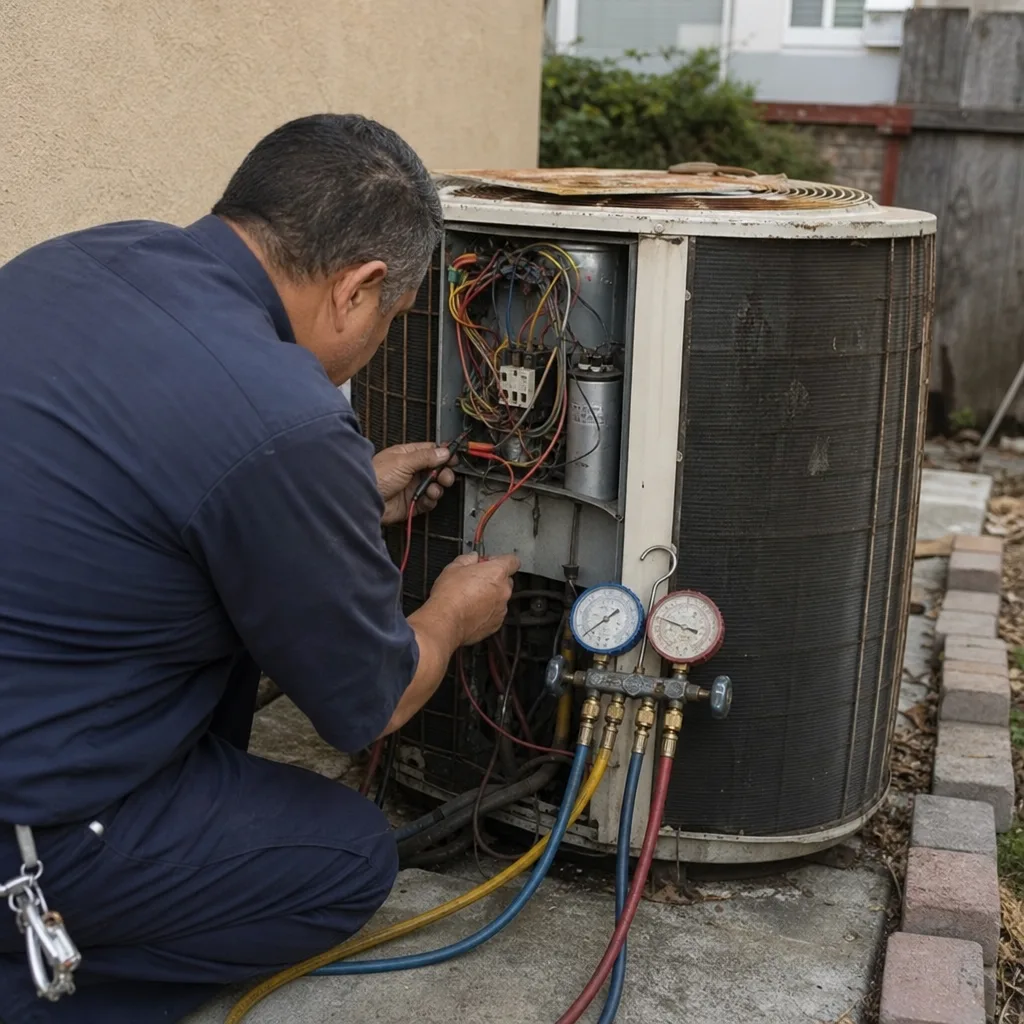 Before
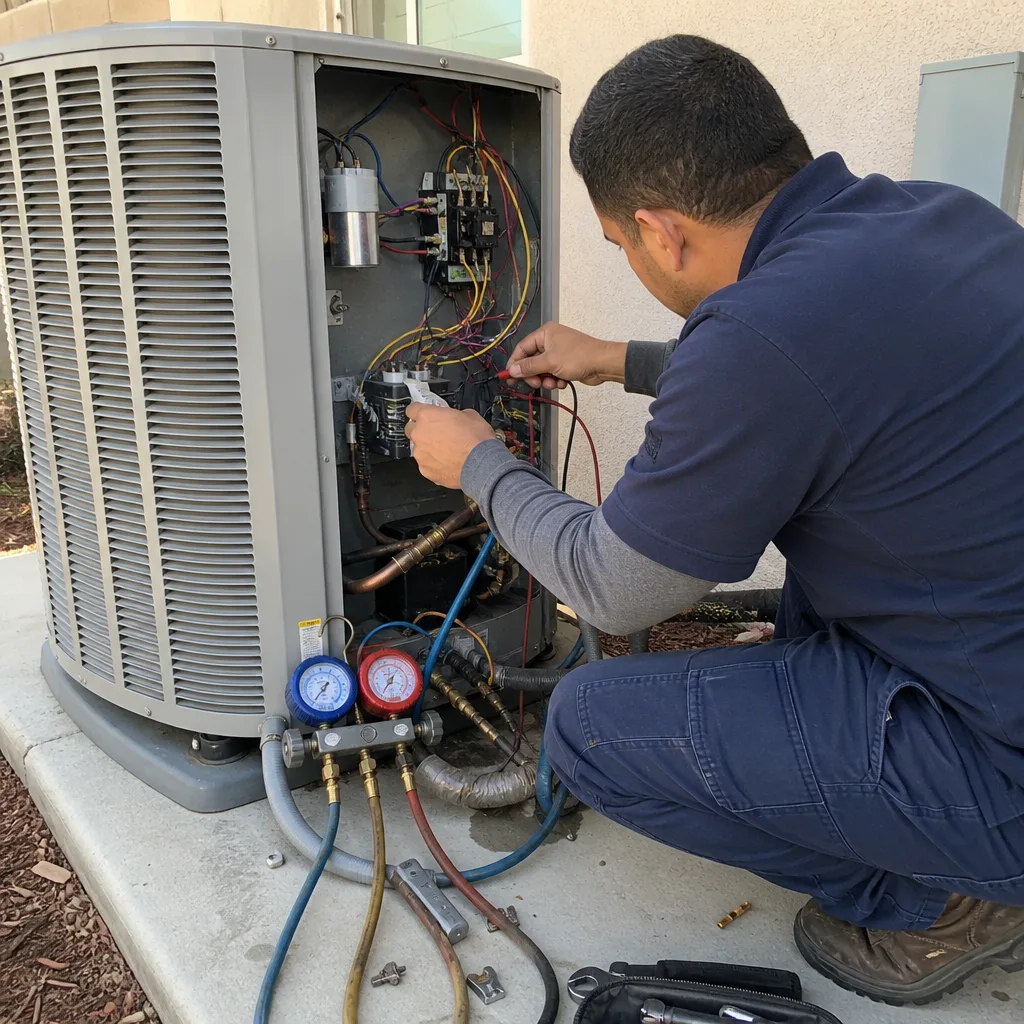 After
After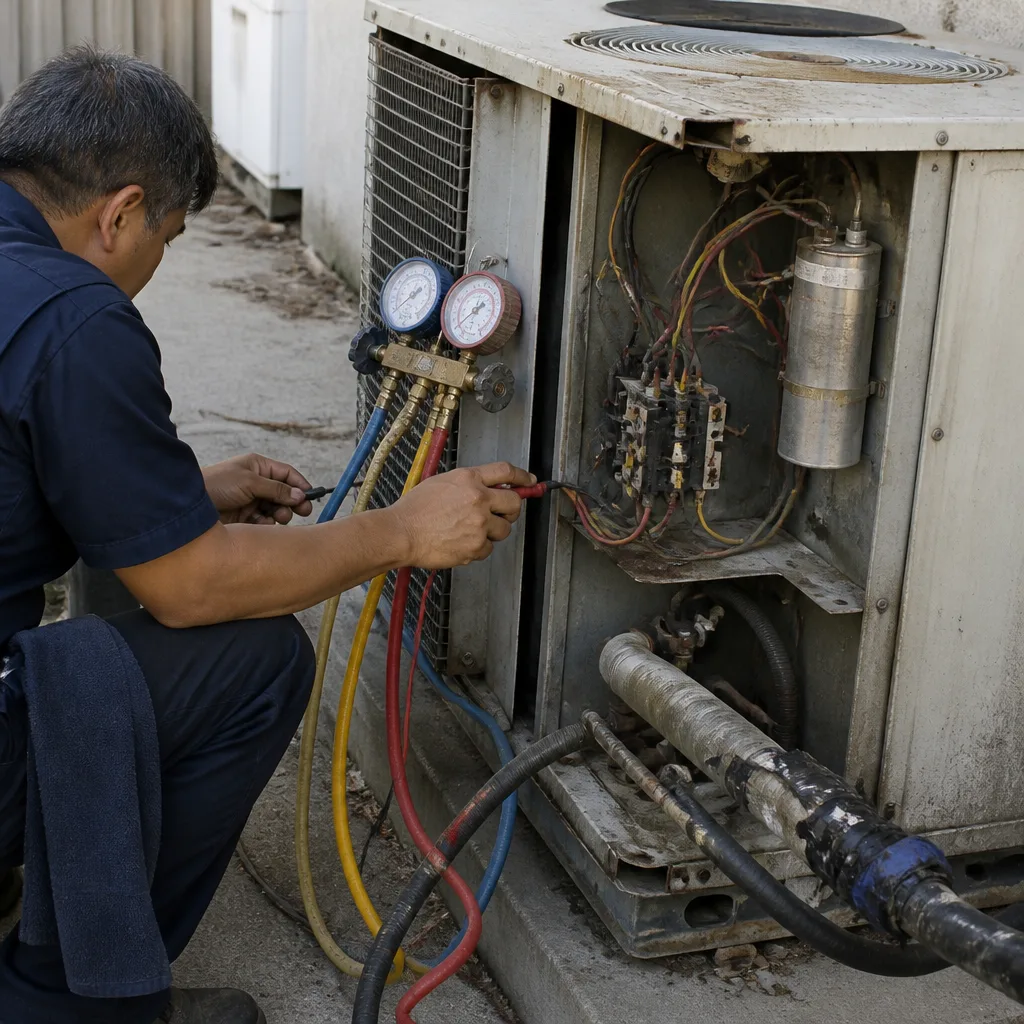 Before
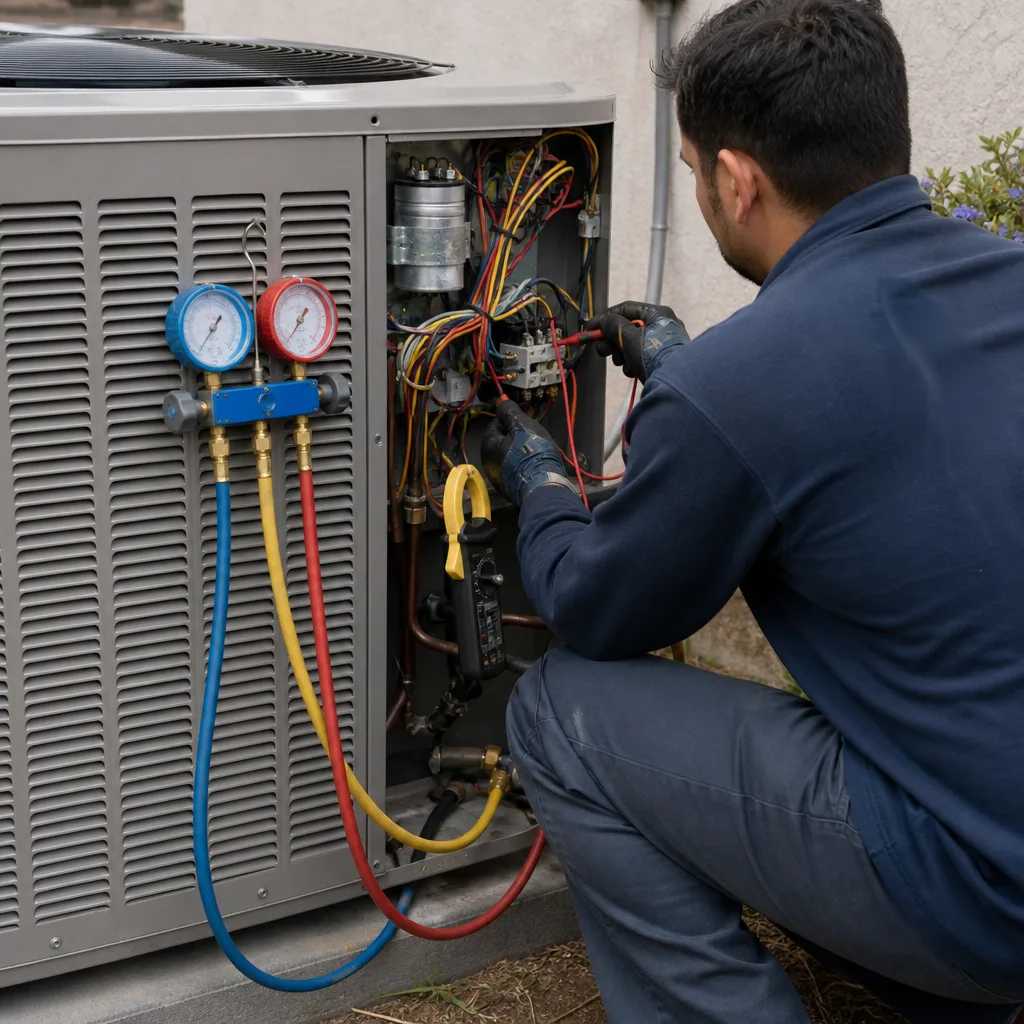 After
After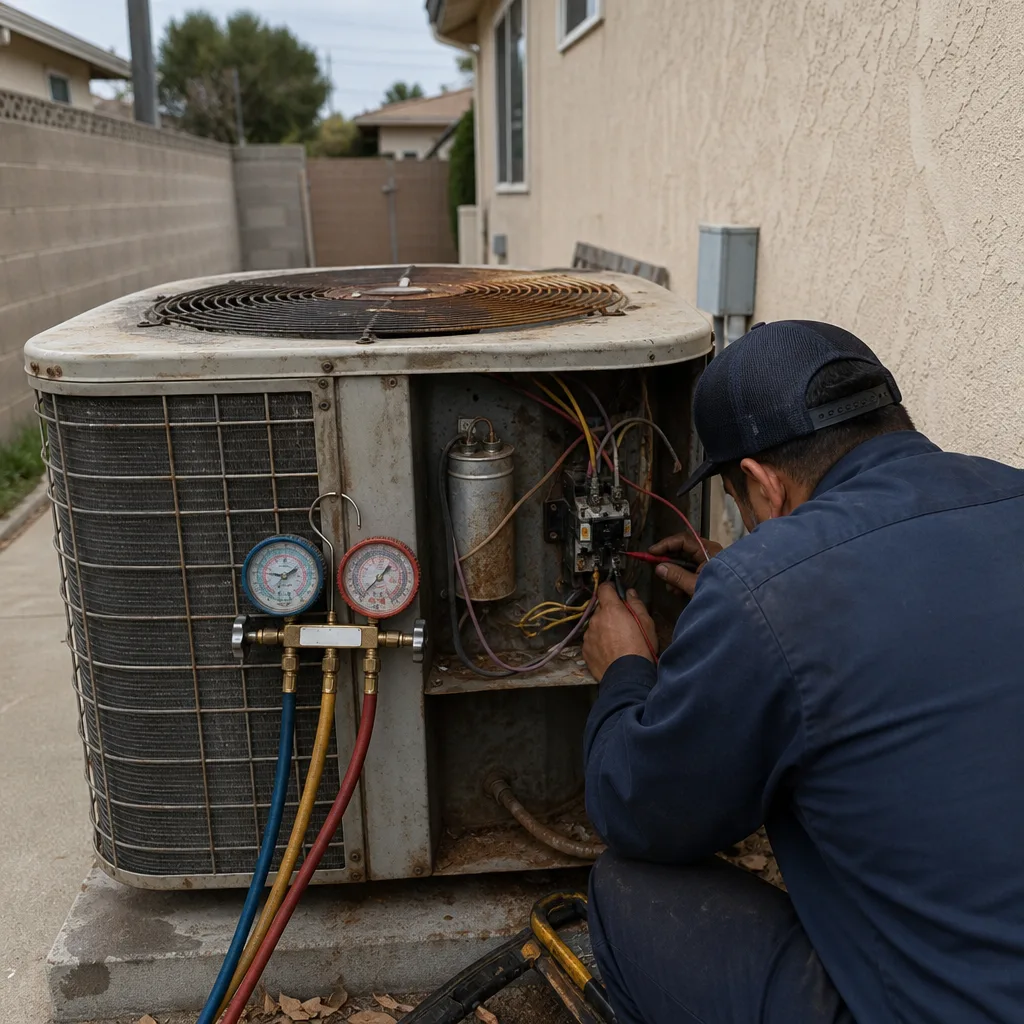 Before
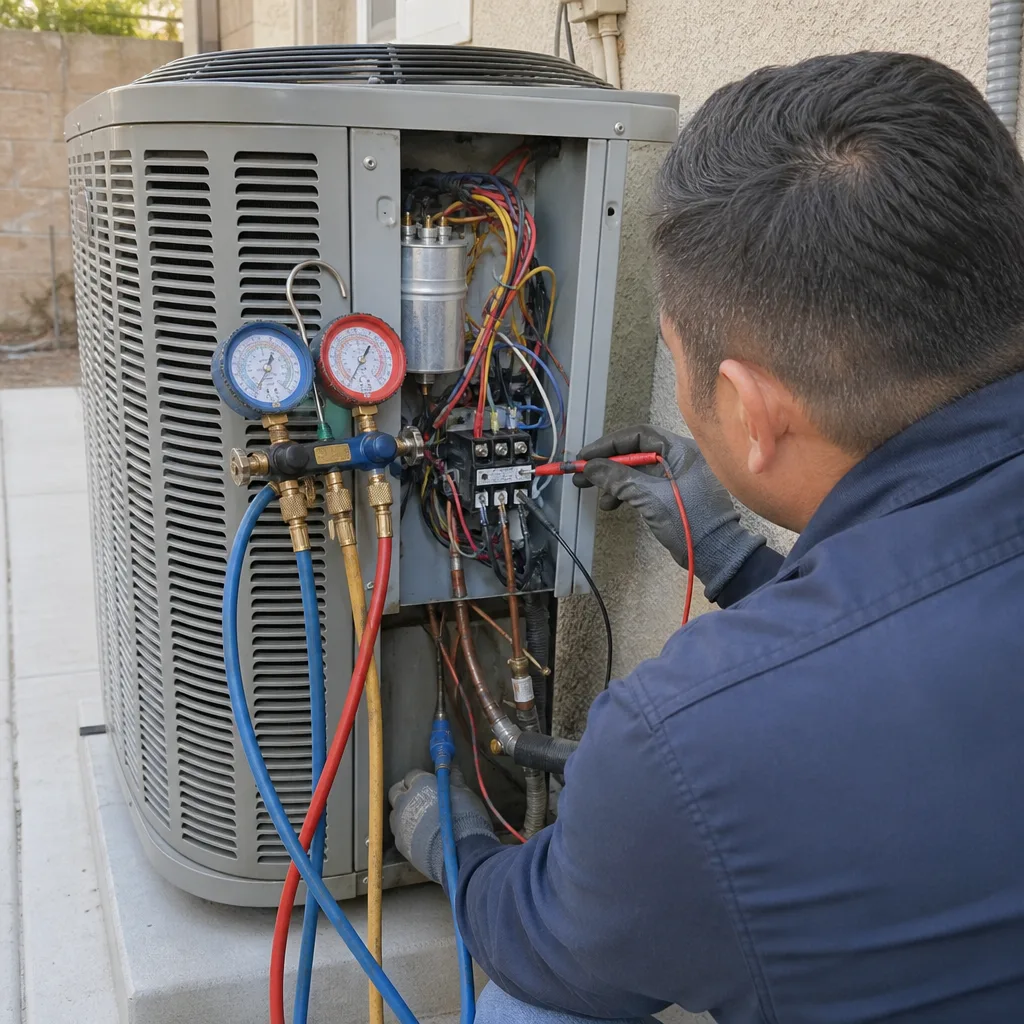 After
After