
Last updated October 16, 2026
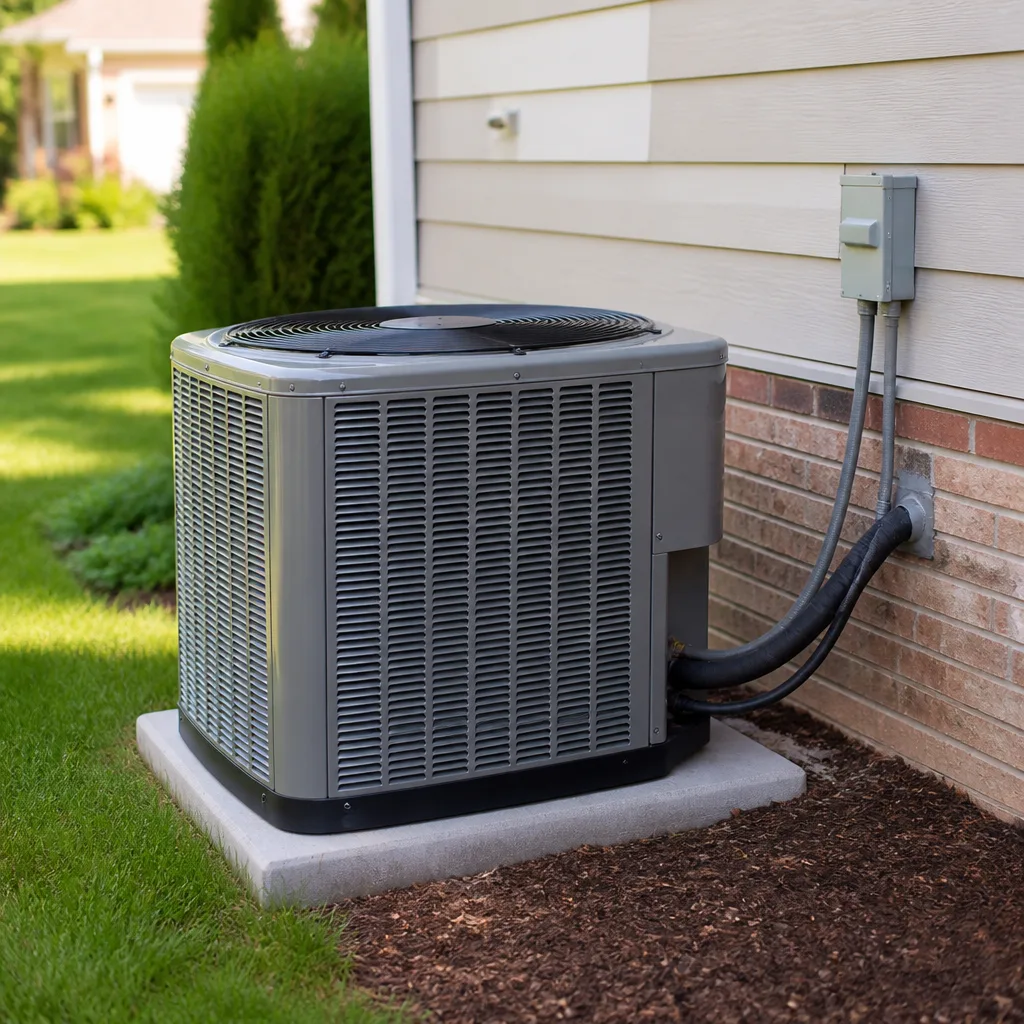 AC repair
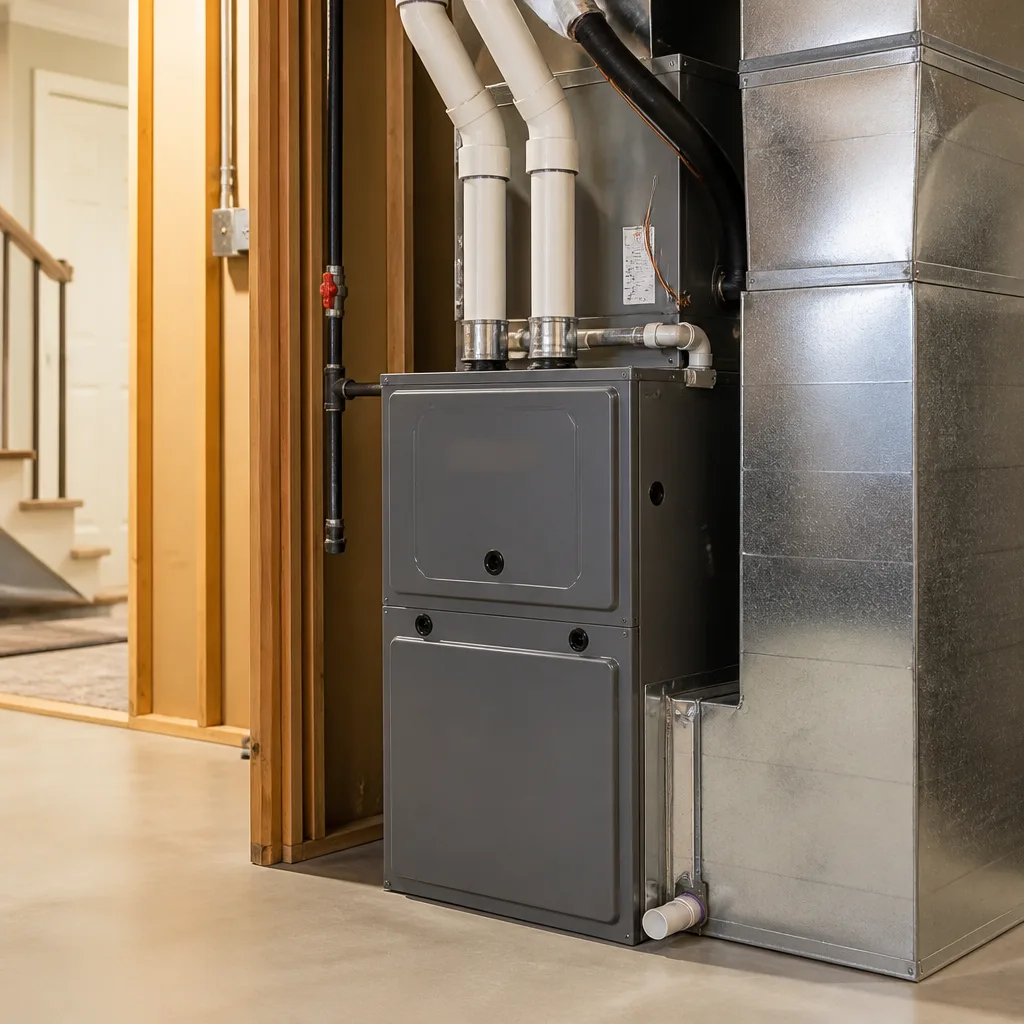 Furnace & heating
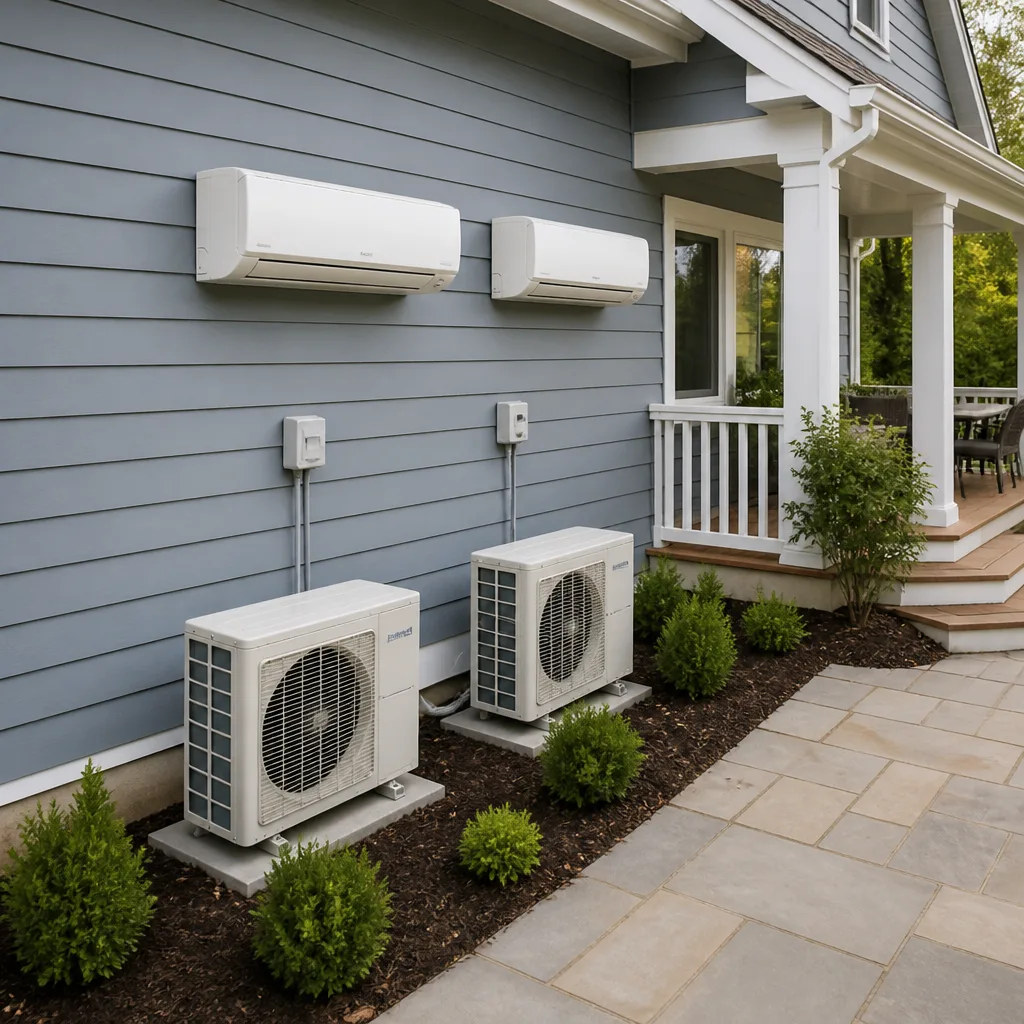 Ductless mini splits
 Carrier
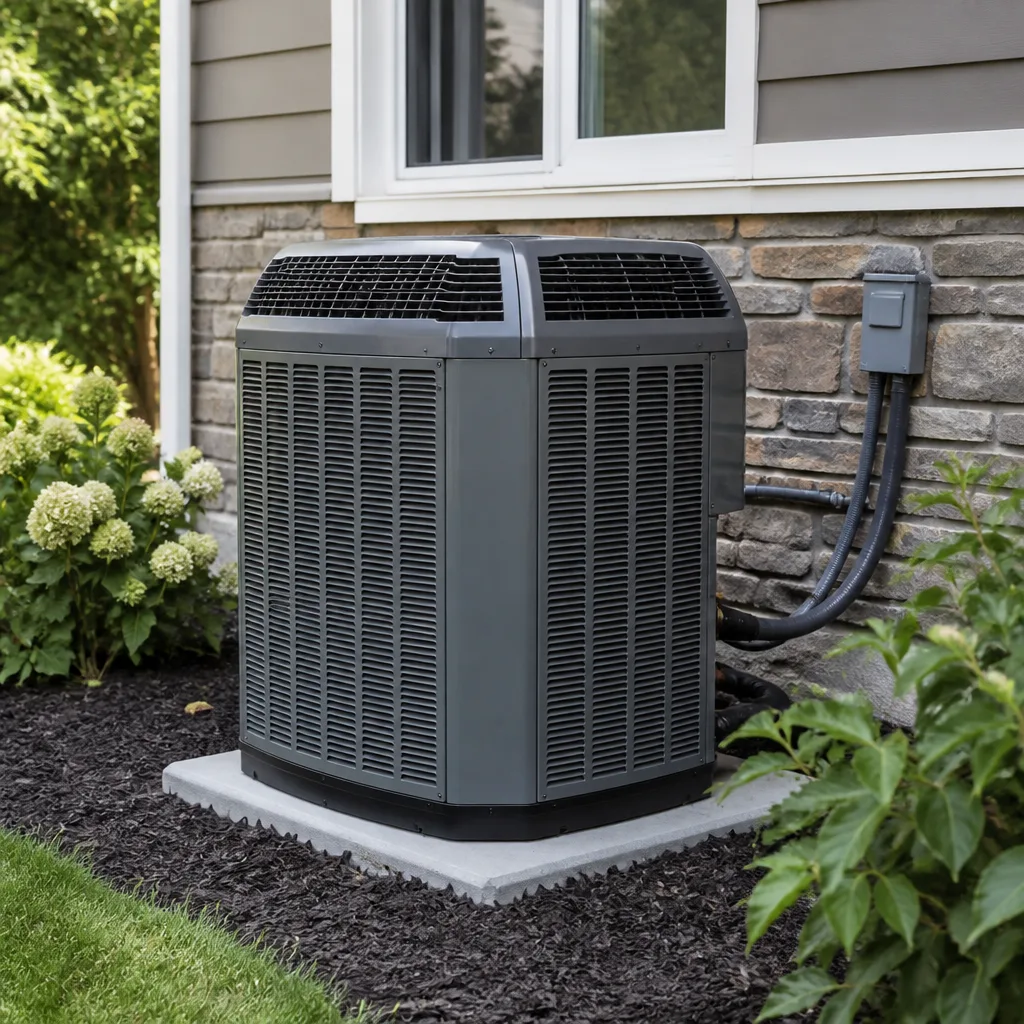 Trane
Trane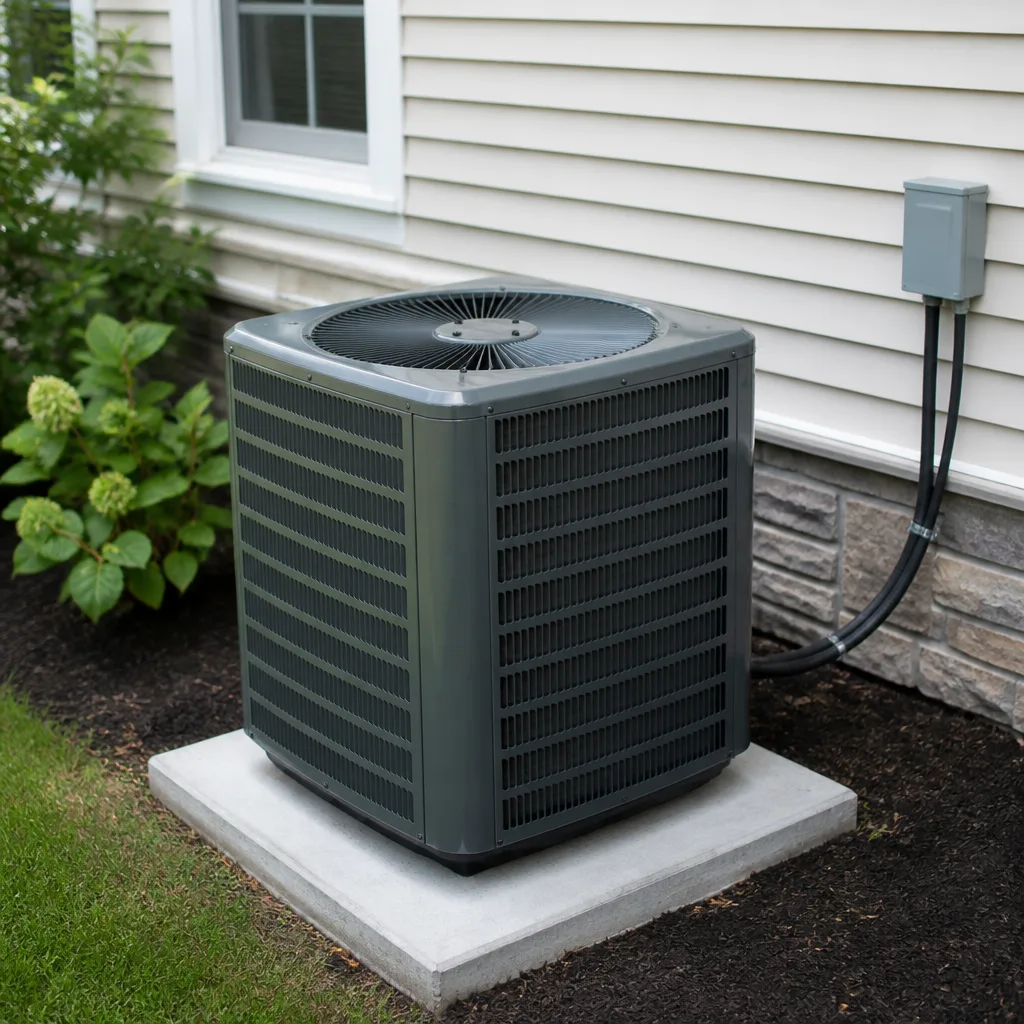 Goodman
Seasonal tune-up and full diagnostic on your Carrier, Trane, or Goodman system - readings shown to you before any repair is proposed
Diagnosis first, numbers second - you approve the repair price before a single part goes in.
Get your free estimateDIY vs Professional HVAC: The West Covina Homeowner’s Decision Guide
Here’s the thing most HVAC guides won’t tell you: you can legally and safely do more HVAC work yourself than most contractors want you to know. Changing a filter, cleaning condenser coils, checking a capacitor with a multimeter, even swapping a contactor on a 240-volt system with the breaker off are all within reach of a careful homeowner. But the moment you touch a refrigerant line without an EPA 608 certification in California, you’ve committed a federal violation regardless of whether anything goes wrong. That’s the line. This guide maps exactly where it sits for West Covina homeowners, so you can save money where it’s smart and avoid a five-figure mistake where it isn’t. For more guides & resources, see our full blog.
Quick Answer
West Covina homeowners can safely handle filter changes, thermostat battery replacement, drain line clearing, coil cleaning, and visual inspections themselves, typically saving $100 to $300 per year in service calls. Anything involving refrigerant, gas lines, electrical panel connections, or compressor internals crosses California and federal regulatory lines that require a licensed, EPA-certified technician. The practical break point is this: if the task takes a screwdriver and ten minutes, it’s likely DIY territory. If it takes a manifold gauge set and you can’t spell “subcooling,” call a professional.
Styles & brands we work with
Table of Contents
- The Legal Line: What California and Federal Law Actually Prohibit
- Five Maintenance Tasks You Can and Should Do Yourself
- The Real Cost Calculation: Warranty Risk vs. Labor Savings
- The DIY Mistakes We Most Often Get Called to Fix
- Your Decision Flowchart: Call Now or Try It First?
- Warranty Considerations by Brand: Carrier, Trane, and More
- West Covina’s Climate and Why It Changes the DIY Equation
- Common Mistakes to Avoid
- When to Call a Professional
- Frequently Asked Questions
The Legal Line: What California and Federal Law Actually Prohibit
We need to be blunt here because most blogs dance around this. Federal law under Section 608 of the Clean Air Act says that only EPA-certified technicians may handle refrigerant. That means opening a refrigerant line, adding refrigerant, recovering refrigerant, or even doing certain repairs that require accessing the sealed system is off-limits for a homeowner. In California, the law goes further. The state requires C-20 HVAC contractor licensing for most HVAC work that goes beyond basic maintenance, and local jurisdictions like Los Angeles County add permit requirements for equipment replacement and certain repairs. See HVAC Permits, Codes & Inspections in CA: What You Need to Know for the full picture.
What that means for you in West Covina is simple:
- Refrigerant work: Illegal without EPA 608 certification. This includes charging, recovering, and opening the sealed system.
- Gas furnace repairs: Any work on gas valves, burners, or gas line connections requires a licensed technician in California. A wrong connection isn’t a warranty problem. It’s a carbon monoxide problem.
- Electrical panel work: Connecting a new condenser or air handler to your panel requires a permit and an electrician or licensed HVAC tech in most West Covina homes.
- Anything that requires a permit: AC replacement, furnace replacement, new ductwork, and some major repairs trigger local permit requirements through the city of West Covina’s building department.
The takeaway isn’t “never touch anything.” It’s that the legal line is concrete and knowable. Filter changes, thermostat batteries, condensate drain flushing, and coil cleaning sit safely on the DIY side. Refrigerant, gas, and panel work sit firmly on the licensed-pro side. And in our experience, the homeowners who get into the most trouble aren’t the ones who try too much. They’re the ones who try something that feels simple without realizing which side of the line it’s on.
Five Maintenance Tasks You Can and Should Do Yourself
Let’s get concrete about what’s actually yours to handle. These five tasks require nothing beyond a screwdriver, a shop vac, and about an hour of your time each year. Doing them consistently extends equipment life by three to five years on average in West Covina’s specific climate, where summer heat pushes systems above 105 degrees and winter nights occasionally dip below 40.
- Change the air filter every 30 to 60 days. In West Covina, the Santa Ana winds kick up dust and fine particulate that clogs filters within weeks during fall. A dirty filter forces your blower motor to work harder, which shortens its life. This is a $15 to $40 task that takes four minutes.
- Clear the condensate drain line. Your AC produces gallons of water every summer day in the San Gabriel Valley. Algae grows in that drain line. Pour a cup of white vinegar through the line once a month during cooling season to prevent clogs and the water damage that follows.
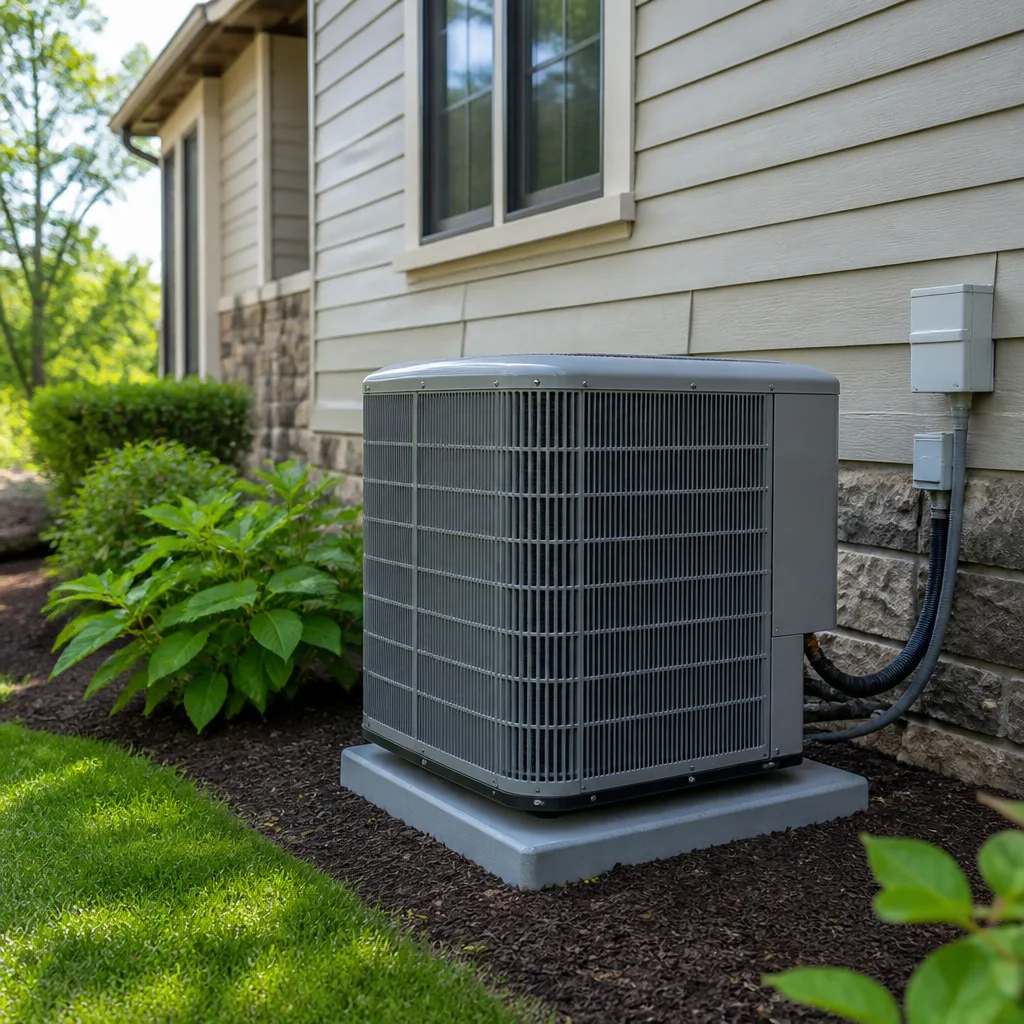
- Clean the outdoor condenser unit. Use a garden hose on a gentle setting to rinse the coil fins on the outside unit. Do this after mowing, after Santa Ana events, and before the first heat wave of summer in May or June. Kill the power first. The goal is removing dust and debris, not pressure-washing the fins into a pancake.
- Vacuum your supply vents and returns. Every vent in your home pulls dust when the system runs. Pop off the grilles, vacuum what you can reach, and replace them. This is a 20-minute job every six months and improves indoor air quality measurably.
- Test your thermostat in spring and fall. Before the heat arrives or the cold snap hits, switch your thermostat from heat to cool (or vice versa) and confirm the system responds. Half of the “my AC died” calls we receive in May are just thermostat batteries that died over winter.
None of this requires a license. None of it touches refrigerant, gas, or the sealed system. And all of it prevents the most common preventable failures we see across West Covina neighborhoods like Woodside, Galster, and South Hills.
The Real Cost Calculation: Warranty Risk vs. Labor Savings
This is where the DIY conversation gets honest. The reason contractors tell you to call for everything isn’t just about booking a truck. It’s about manufacturer warranty protection. Most equipment warranties from Carrier, Trane, Lennox, and American Standard specifically exclude damage caused by “improper maintenance” or “unauthorized repair attempts.” One wrong move on a motor replacement that would’ve been covered, and the manufacturer denies the claim based on a photo of your homemade wiring job.
So let’s put numbers on it. For a detailed HVAC Cost Breakdown: The West Covina Homeowner’s Reference for 2026, see our dedicated guide. A typical AC repair in West Covina runs between $150 and $500 depending on the part. The DIY version of that repair, if you buy the part online, might cost $40 to $120 for the component. But here’s the math most homeowners skip:
- Warranty cost risk: If your system is under warranty and you open the cabinet to replace a part yourself, you may void coverage on a compressor that would’ve been free to replace. A compressor replacement out of warranty is $2,800 to $4,500 in West Covina.
- Mistake cost risk: The most common DIY repair mistakes cost between $300 and $800 to correct because they damage other components in the process. A wrong capacitor wiring can fry a control board. A wrong fan blade orientation can burn out a motor in hours.
- Time cost risk: The average homeowner spends 4 to 6 hours troubleshooting a problem that a trained technician diagnoses in 15 minutes. Your time has value.
That doesn’t mean DIY never wins. On maintenance tasks like filter changes, drain clearing, and coil cleaning, DIY wins overwhelmingly because there’s no warranty risk and the tools needed cost under $50. On repair tasks inside the cabinet or involving electrical or refrigerant components, the warranty risk alone usually eats any labor savings. The practical rule: DIY the maintenance, license the repair. We know that’s not what the “everything is DIY-able” YouTube videos say, but those videos aren’t on the hook for the compressor that fails three weeks later.
The DIY Mistakes We Most Often Get Called to Fix
If you want the full picture, here’s what actually shows up at our trucks from DIY attempts gone sideways. These aren’t hypotheticals. We see one or two of these every month across West Covina, Baldwin Park, and Covina. Each one ended up costing more than the original repair would have.
- Wrong capacitor installed. A homeowner watches a video, sees a bulged capacitor, orders the cheapest replacement online, and wires it backward. Result: fried compressor or control board. Pro repair cost after DIY attempt: $400 to $900, when the original fix would’ve been $180 to $300.
- Refrigerant added from an auto parts store can. This is the big one. Auto store refrigerant is not the same substance your home AC uses. Injecting the wrong refrigerant or even the right one without a proper evac and vacuum pump introduces non-condensables into the system. Repair cost after this mistake: $600 to $1,500 for a full recovery, vacuum, and re-charge.
- Drain line cleared with too much pressure. A homeowner fires a compressor into the drain line to “blow out” a clog. The PVC joint gives way inside the wall, and now there’s water damage on top of the clog. Repair cost after this mistake: $250 to $700, including drywall repair.
- Thermostat wired incorrectly. Five wires, five colors, and most of them don’t match the instructions on the new thermostat. A crossed wire can blow the transformer or the control board. Repair cost after this mistake: $150 to $400.
- Coil fins “cleaned” with a pressure washer. A pressure washer at close range flattens the aluminum fins like a comb through clay. Airflow drops, the system overheats, and the coil needs fin-straightening or replacement. Repair cost after this mistake: $300 to $800.
The common thread: every one of these mistakes felt reasonable at the time. That’s the trap. The phrase we hear most often on these calls is “I thought I could save a few hundred dollars.” The second most common phrase is “What do you mean the warranty doesn’t cover it?”
Your Decision Flowchart: Call Now or Try It First?
Let’s make this a decision you can make in thirty seconds. Start at the top and follow the questions down. When you hit “call,” stop and call. Don’t keep troubleshooting.
Step 1: Is your system still running at all?
- Yes, it runs, but it’s not cooling or heating well. Go to Step 2.
- No, it’s completely dead. Check your circuit breaker first. If the breaker keeps tripping, do not reset it repeatedly. Each reset sends a surge through a system that’s already failing. Call a professional.
Step 2: Have you changed the filter in the last 60 days?
- No. Change it now. Wait two hours. If performance improves, you solved a $200 problem with a $20 filter. If it doesn’t, go to Step 3.
- Yes. Go to Step 3.
Step 3: Is the outdoor unit making noise but the indoor unit isn’t blowing air?
- Yes. This usually indicates a frozen coil or a dead blower motor. Turn the system off at the thermostat immediately. Running a frozen system destroys the compressor. Call a professional.
- No, there’s no noise at all. Go to Step 4.
Step 4: Is your system still under any manufacturer warranty?
- Yes. Call a professional. Opening the cabinet yourself likely voids coverage. The warranty savings alone exceed any DIY savings.
- No, it’s out of warranty. You have more flexibility. Simple maintenance tasks are fair game. But if the problem is inside the cabinet, involves refrigerant or gas, or you can’t confidently identify the exact failed component, call a professional. The cost of a diagnostic visit ($90 to $150 in West Covina) is cheap insurance against a $900 self-inflicted repair.
Warranty Considerations by Brand: Carrier, Trane, and More
Not all warranties are created equal, and knowing yours matters before you pick up a screwdriver. We service all the major brands, and the warranty language around DIY work varies enough to be worth understanding.
Carrier systems typically come with a 10-year parts warranty when the unit is registered within 90 days of installation. Unregistered, it drops to 5 years. Carrier’s warranty fine print excludes damage from “negligence, accident, misuse, or unauthorized repair.” That last phrase is the one that bites DIYers. If a Carrier compressor fails and a technician opens the unit to find evidence of DIY work, the claim can be denied outright.
Trane offers a 10-year limited warranty on registered compressors and outdoor coils, with some Trane models carrying a 12-year compressor warranty. Trane’s language around unauthorized service is similarly strict. We’ve seen Trane warranty claims denied because a homeowner replaced a capacitor with one that didn’t match the original specs, and the capacitor failure cascaded into a compressor failure. The capacitor was $35. The compressor would’ve been covered. It wasn’t.
Lennox systems carry a 10-year limited warranty on most registered equipment. Lennox is particularly aggressive about requiring proof of annual maintenance when a major component fails. If you skip annual maintenance and then attempt a DIY repair, your warranty claim on a failed compressor or coil is in serious trouble.
American Standard (Trane’s sister brand) mirrors Trane’s warranty structure. The takeaway across all brands: the warranty is an asset worth $1,000 to $4,500 depending on your equipment. Treat it like you’d treat any asset of that value. Read the fine print before you open the cabinet.
West Covina’s Climate and Why It Changes the DIY Equation
West Covina sits in the San Gabriel Valley, which means something specific for HVAC systems. Our summers routinely push 95 to 105 degrees for weeks at a time, and our fall brings Santa Ana winds that drop humidity to single digits and fill the air with fine dust. Our winters are mild, but January nights can dip into the 30s. That combo puts pressure on both halves of your system every single year.
Here’s why that matters for the DIY decision:
- Dust load is higher here than most of California. The Santa Ana winds deposit fine particulate on coil surfaces and through filters faster than homeowners expect. Monthly filter checks aren’t a luxury in West Covina. They’re the baseline.
- Summer heat waves make DIY failures urgent. A system that fails on a 105-degree day isn’t something you can troubleshoot at your leisure over a weekend. West Covina utilities regularly issue heat alerts in July and August. When your AC dies during a heat event, the equation flips from “maybe I can fix this” to “how fast can a professional get here.”
- Humidity swings stress condensate systems. July and August bring humidity despite the heat, which means gallons of condensate water moving through your drain line daily. DIY drain maintenance matters more here than in drier parts of the state.
- Electrical load is already high. West Covina homes that run AC all summer plus pool pumps and late-model appliances are pulling close to panel capacity in many cases. If your system trips a breaker, that’s an electrical panel question, not a DIY capacitor question.
We’ve worked on systems in Woodside that were installed in the 1980s and still running because the homeowner did simple maintenance religiously. We’ve also replaced compressors in five-year-old systems in South Hills because maintenance was skipped entirely. The difference between those two outcomes wasn’t luck. It was filter changes and drain clearing done consistently, which is exactly the part of HVAC work that belongs to the homeowner.
Common Mistakes to Avoid
- Assuming the YouTube video applies to your equipment. HVAC systems vary widely by brand, age, and configuration. A capacitor replacement on a 2008 Goodman is not the same process as a capacitor replacement on a 2022 Carrier inverter system. Watching a video for one type of equipment and applying it to another is the most common path to a burned control board.
- Buying the cheapest replacement part online. The capacitor you find for $12 on a marketplace site is not the same quality as the $35 one from an HVAC supply house. Cheap capacitors fail in months and can take other components with them when they go.
- Forgetting to kill power at the breaker. Turning off the thermostat is not the same as turning off the breaker. A 240-volt system that’s still live at the disconnect is deadly. Always verify zero voltage at the unit before touching anything electrical.
- Using the wrong refrigerant. Adding R-410a to an R-22 system or vice versa creates chemical incompatibilities that destroy the compressor. Auto parts store refrigerant cans are not a substitute for the correct home HVAC refrigerant. This mistake alone creates more compressor replacements in West Covina than any other DIY error.
- Ignoring the condensate line until water appears. By the time you see water, the damage is already happening. A monthly vinegar flush during cooling season costs $2 and prevents $500 in drywall and flooring repairs. West Covina’s hard water makes this more important, not less.
- Resetting a tripped breaker repeatedly. A breaker that trips once might be nothing. A breaker that trips twice in one day is a short circuit or an overload condition somewhere in your system. Each reset sends a current surge through the compressor. Repeated resets can turn a $200 repair into a $4,500 replacement.
When to Call a Professional
Some situations leave no room for a DIY discussion. If your system is blowing warm air on a 100-degree day and there’s a baby or an elderly family member in the house, you don’t have time to watch troubleshooting videos. If you smell gas near your furnace, that’s an immediate evacuation situation followed by a call to your utility company and then a licensed technician. If your breaker keeps tripping, if your outdoor unit is making noises you’ve never heard before, or if your system is under warranty and something inside the cabinet has failed, those are all call-now situations. And here’s the thing about the call: Halden Heating and Air West Covina offers free estimates in West Covina. You can reach a live person at (831) 607-5485, get a written price before any work starts, and have a background-checked technician at your door with a live arrival time you can track. That’s the whole point of this guide: knowing where the line sits lets you DIY with confidence on the safe side of it and call without hesitation on the other.
Frequently Asked Questions
You can legally perform basic maintenance like filter changes, drain line clearing, coil cleaning, and thermostat battery replacement without any license or certification in West Covina. Federal law prohibits anyone without EPA 608 certification from handling refrigerant, and California requires C-20 licensing for most repair work involving gas lines, electrical connections, or refrigerant systems. The legal boundary is bright: maintenance is yours, sealed system and gas work is not.
Most AC repairs in West Covina run between $150 and $500 depending on the failed component. Capacitor replacements, contactor swaps, and drain line clearing sit on the lower end at $150 to $300. Blower motor replacements and control board repairs run $350 to $700. Compressor replacements are the outlier at $2,800 to $4,500 out of warranty. Call (831) 607-5485 for an exact quote: estimates are free, and the written price covers the job before any work starts.
Basic maintenance like filter changes and drain clearing will not void your Carrier, Trane, Lennox, or American Standard warranty. Opening the cabinet to attempt a repair, however, can absolutely void coverage. Most manufacturer warranties contain language excluding damage caused by “unauthorized repair” or “improper maintenance.” If a major component fails after a DIY repair attempt, the manufacturer can deny the claim based on evidence of unauthorized work. The warranty is worth more than any DIY savings.
Putting the wrong refrigerant into a home AC system is the most expensive DIY mistake we see in West Covina. Auto parts store refrigerant is not the same chemical as home HVAC refrigerant, and mixing them destroys compressor internals. The resulting repair typically costs $600 to $1,500 on top of whatever prompted the refrigerant attempt in the first place. A proper diagnostic visit costs $90 to $150 by comparison.
Yes, thermostat replacement is legal for homeowners in West Covina and usually takes 30 minutes. The most common failure point is wiring: many newer thermostats don’t match the wire colors of older systems. If you’re not confident matching the wires correctly, you can burn out a transformer or control board. A wrong thermostat install costs $150 to $400 to fix, while a professional install typically runs $150 to $250 with the job done right the first time.
The standard calculation is repair cost times system age: if a repair costs more than 30% of a new system’s price and your unit is over 10 years old, replacement usually makes more sense. In West Covina, a full AC replacement runs $6,500 to $14,000 depending on system size and brand. If your repair quote is under $1,000 and your system is under 12 years old, repair is typically the better call. A professional assessment from a technician who isn’t paid on commission will give you an honest answer either way.
The Bottom Line
The DIY vs. professional HVAC decision in West Covina isn’t actually about courage or handiness. It’s about knowing which side of a legal and warranty line you’re standing on. Filter changes, drain clearing, coil cleaning, and thermostat batteries are yours to handle, and doing them consistently will extend the life of your equipment by years. Refrigerant, gas, and electrical work belong to licensed professionals because the law says so and your warranty depends on it. The homeowners who save the most money over the life of their system aren’t the ones who avoid every service call. They’re the ones who handle the simple maintenance themselves, think clearly about warranty risk before opening the cabinet, and call early before a $200 problem becomes a $4,500 one.
If you have questions about your specific system, Halden Heating and Air West Covina home has answers. We’ll tell you honestly whether a repair is worth it, whether your warranty covers it, and what a written price actually looks like. For AC Repair in West Covina, AC Installation in West Covina, or Furnace Repair in West Covina, call (831) 607-5485 for a free estimate. You’ll get a live person, a tracked arrival time, and a written price before any tool comes off the truck.
Written by Andre Fuller, Owner at Halden Heating and Air West Covina, serving West Covina since 2004.
See the difference
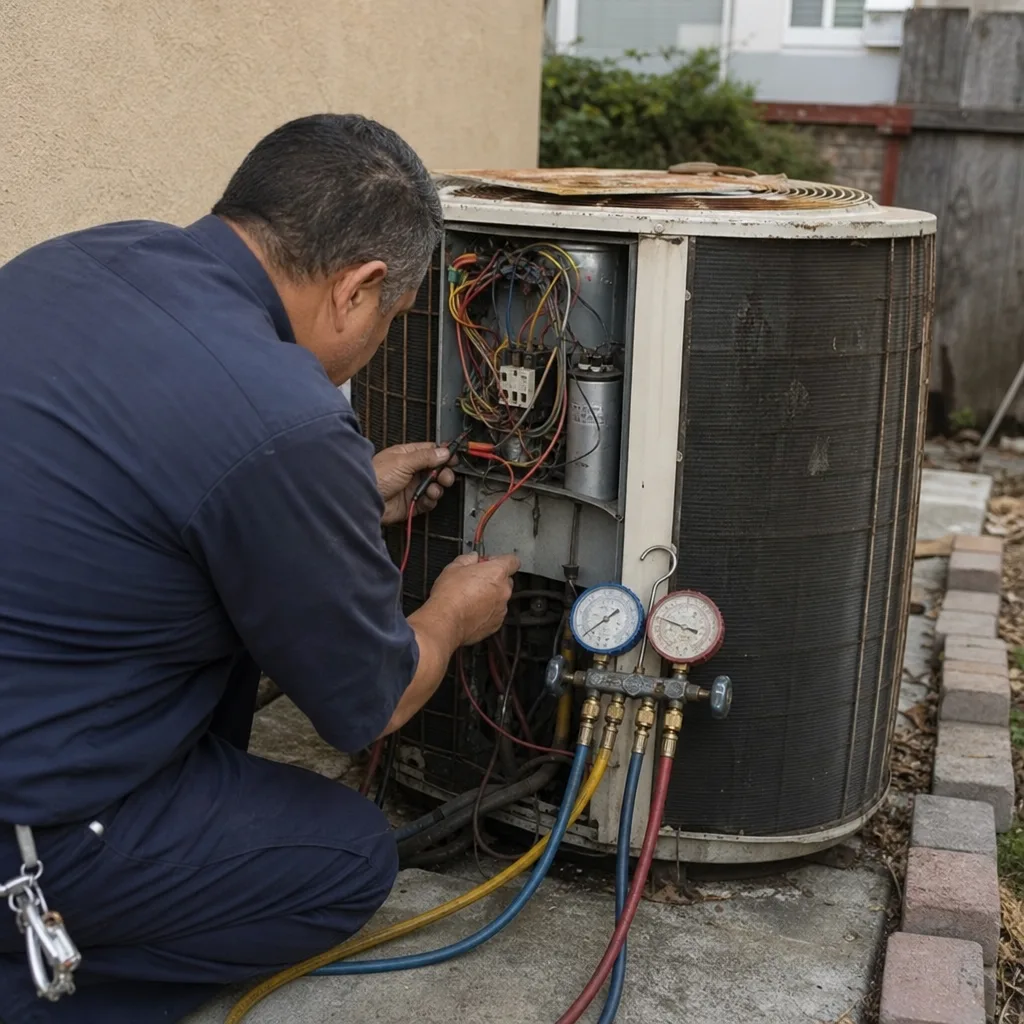 Before
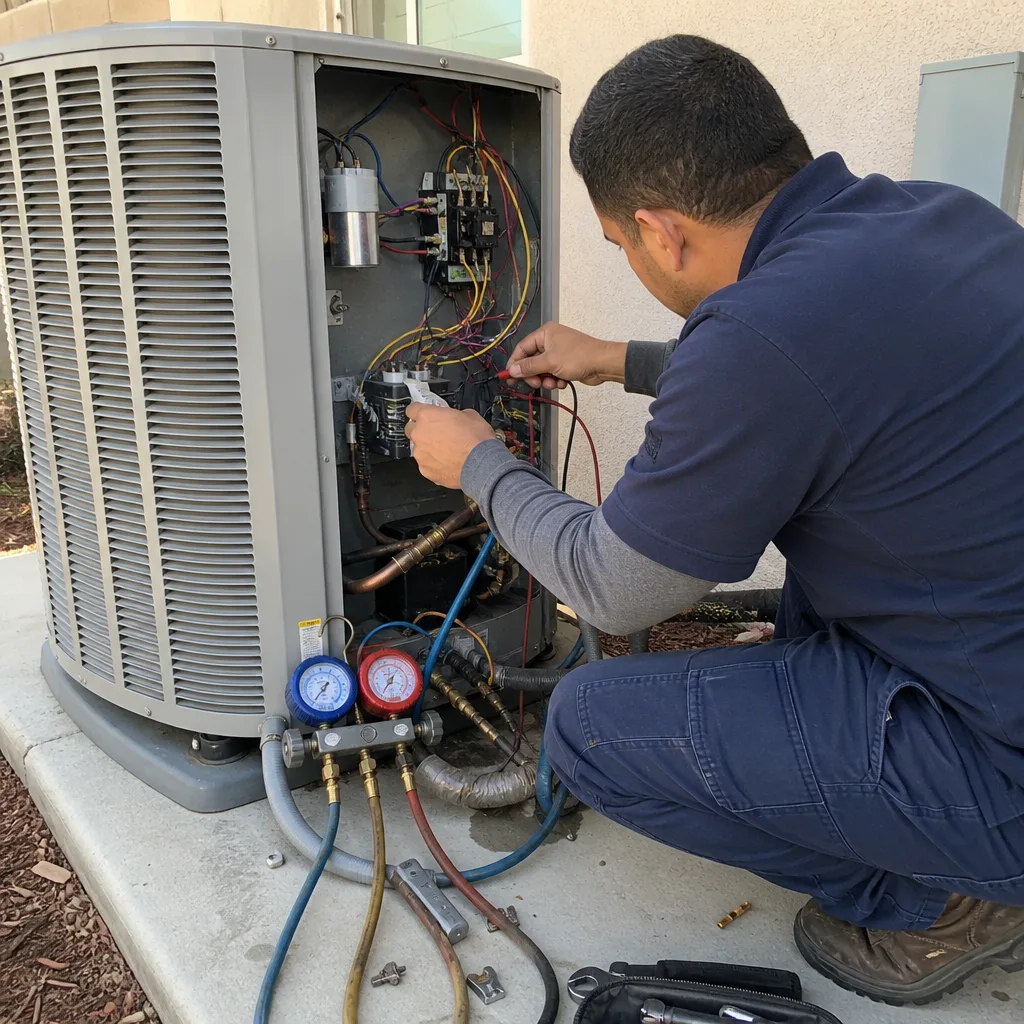 After
After Before
 After
After Before
 After
After