
Last updated October 16, 2026
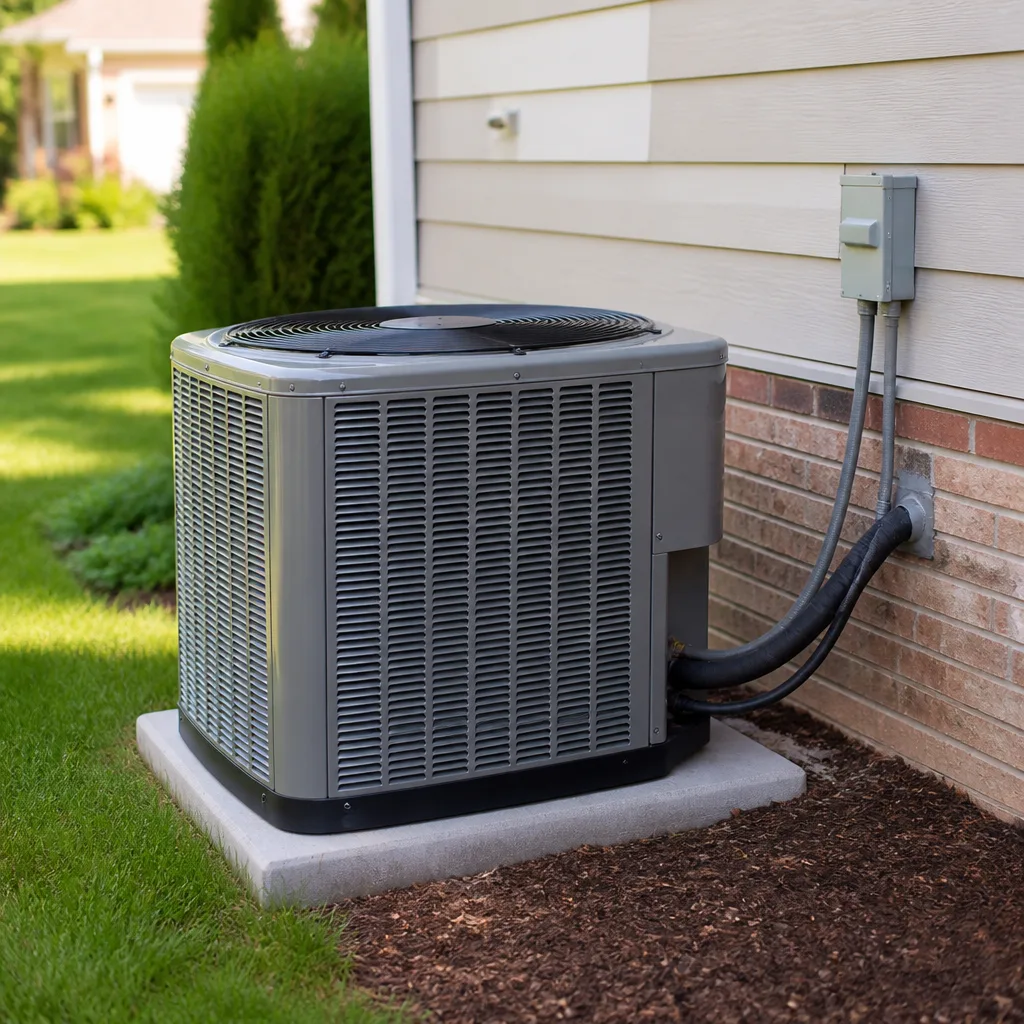 AC repair
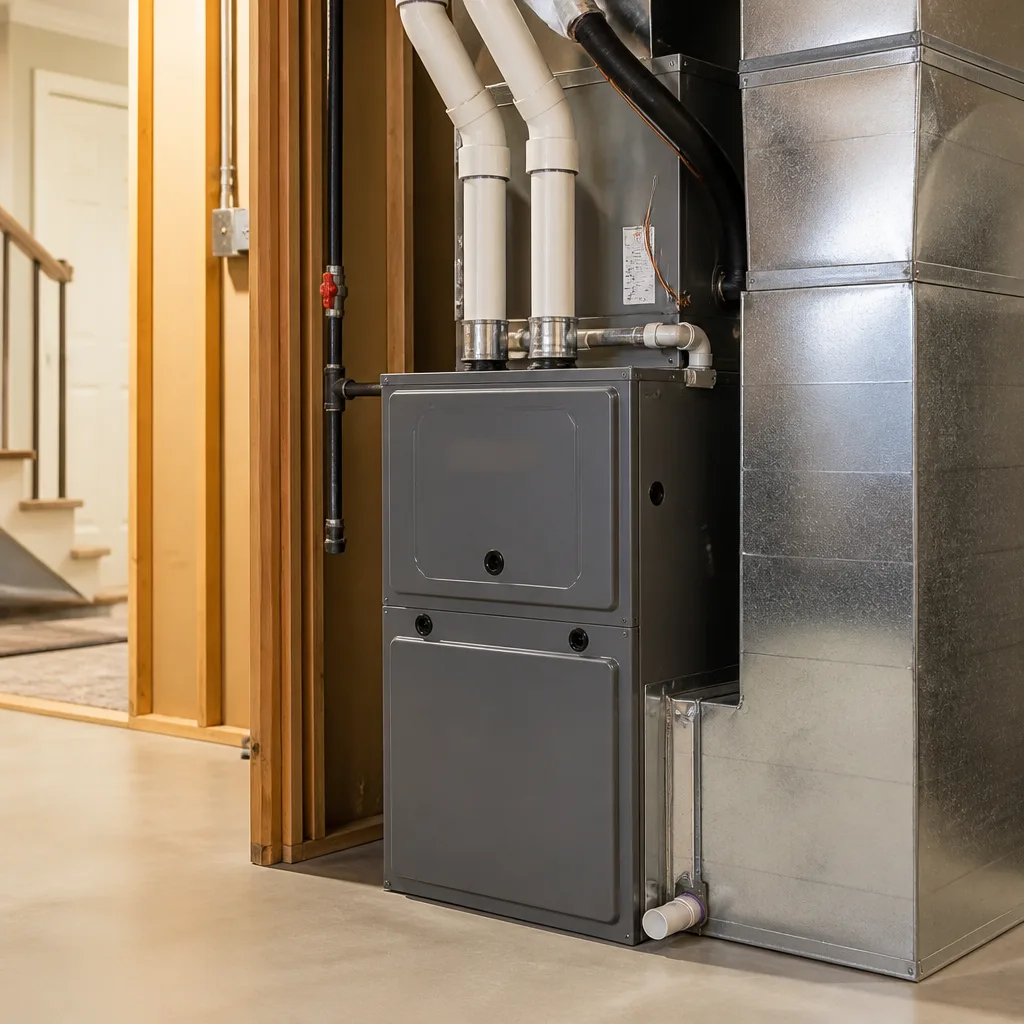 Furnace & heating
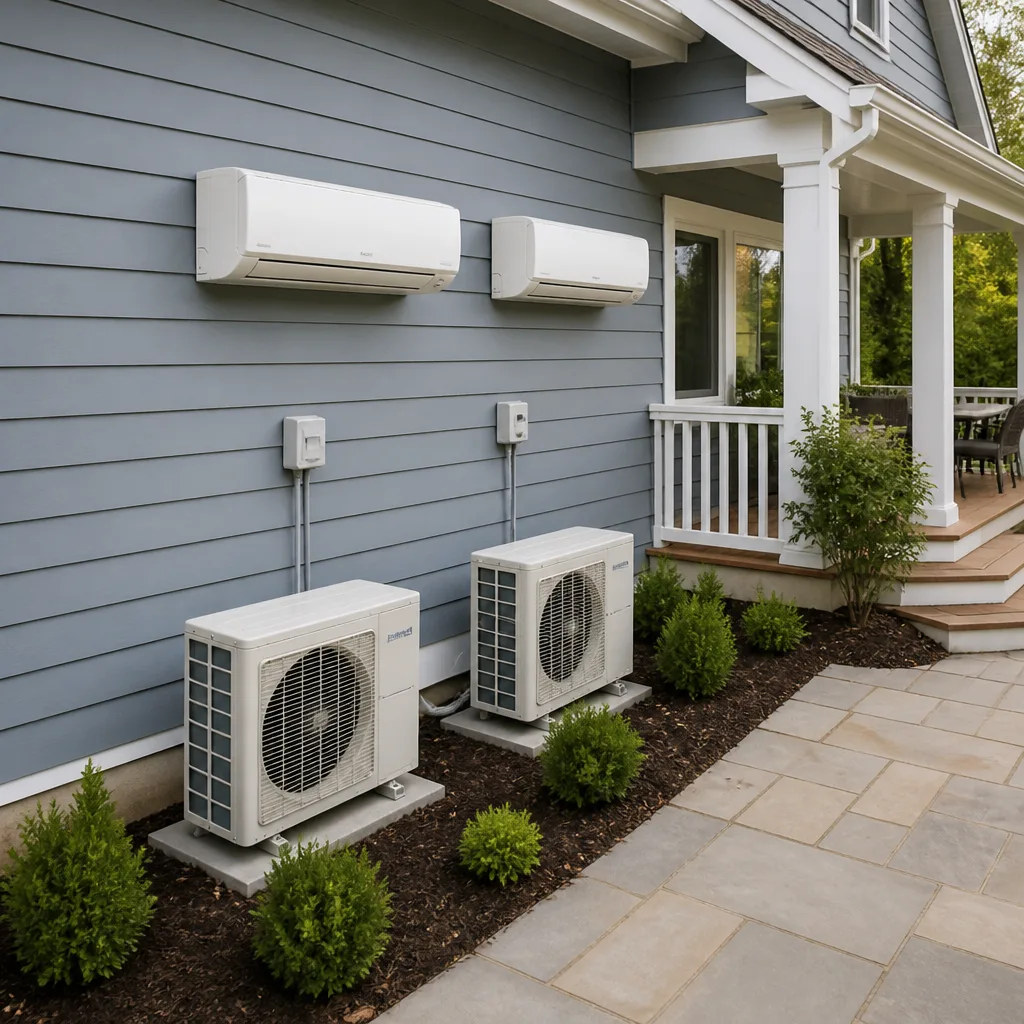 Ductless mini splits
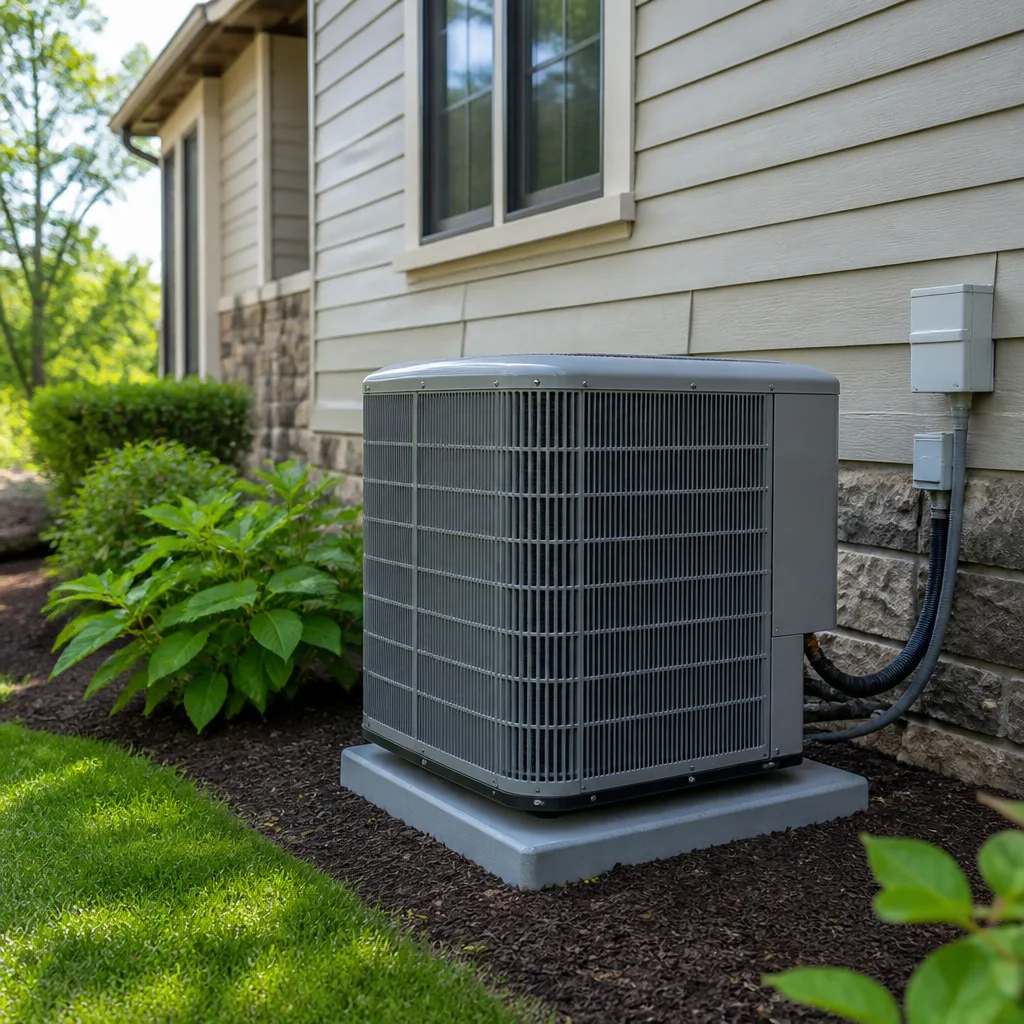 Carrier
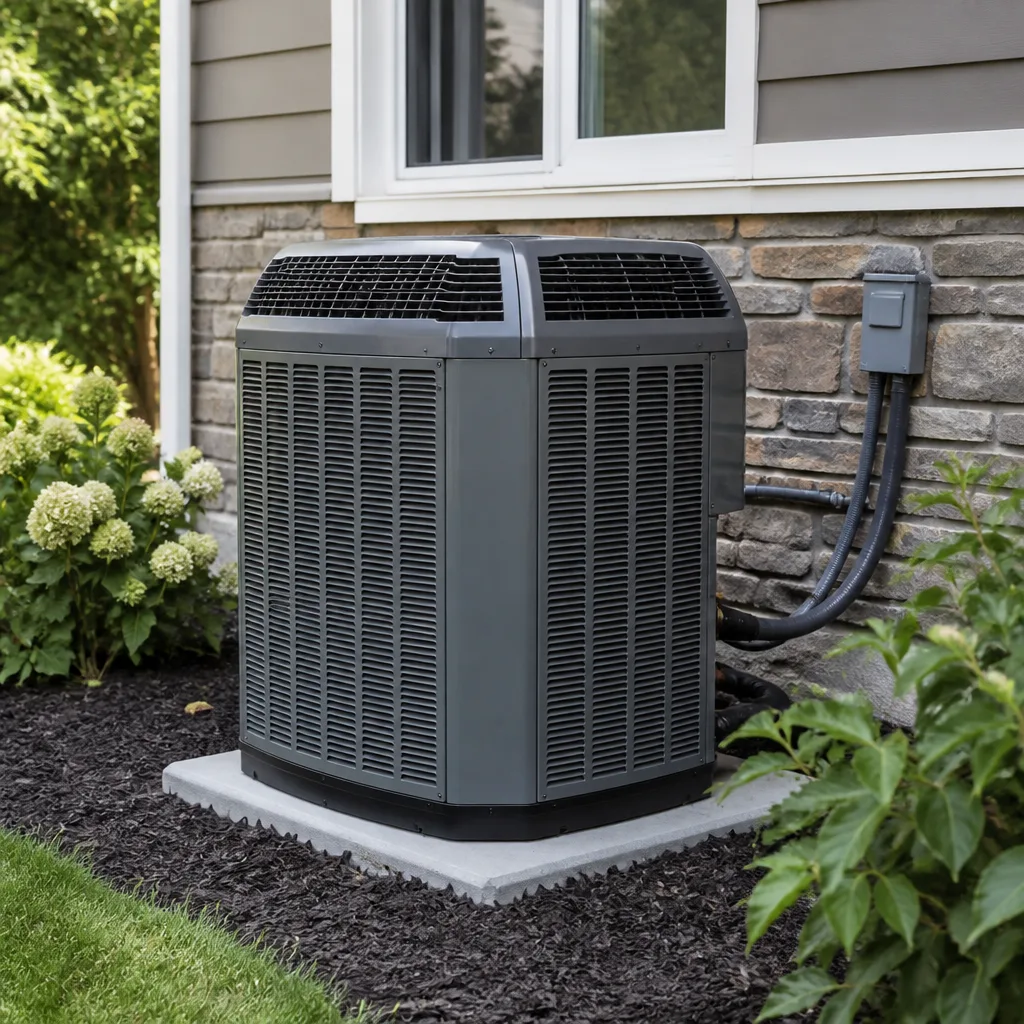 Trane
Trane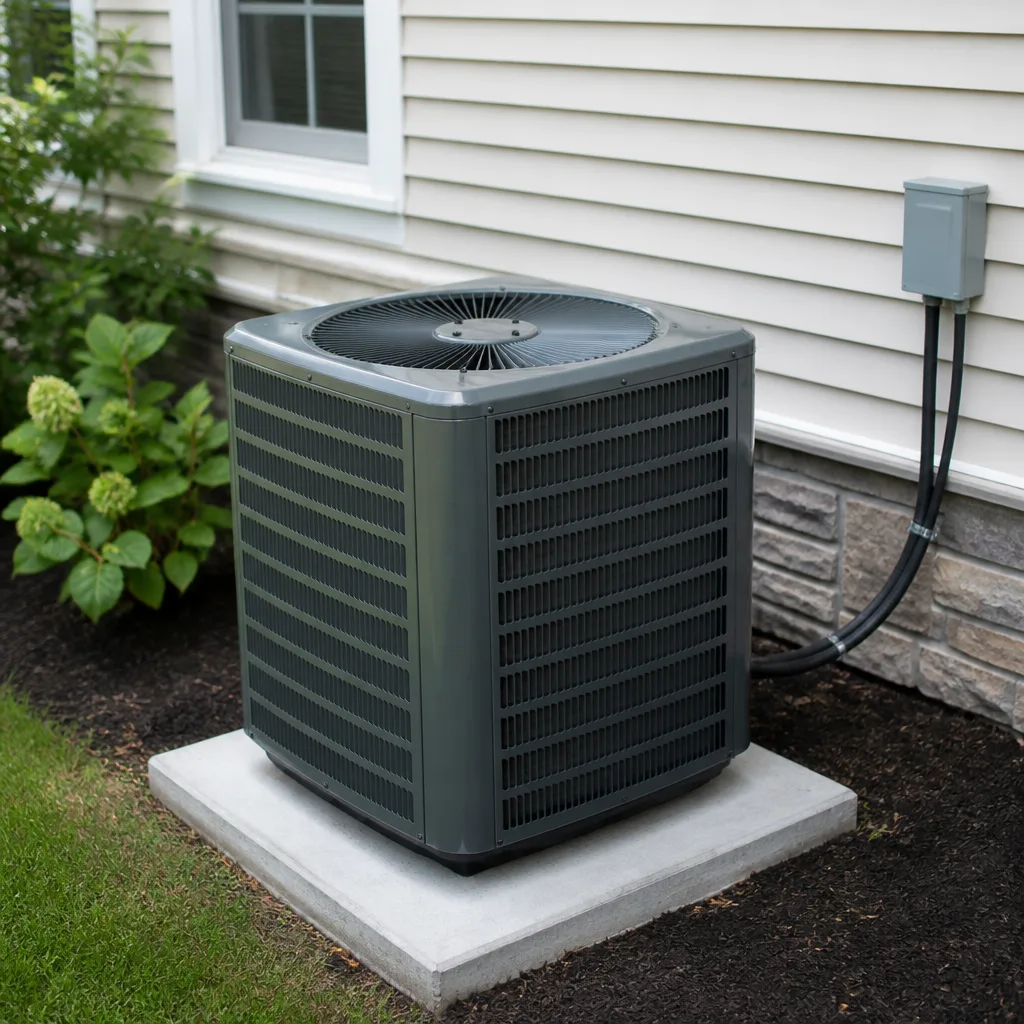 Goodman
Seasonal tune-up and full diagnostic on your Carrier, Trane, or Goodman system - readings shown to you before any repair is proposed
Diagnosis first, numbers second - you approve the repair price before a single part goes in.
Get your free estimateThe Complete Guide to HVAC in West Covina
West Covina recorded 114°F heat-index days in recent summers, yet most HVAC guides written for this ZIP code were copy-pasted from Phoenix playbooks with a city name swapped in. Here’s the thing: West Covina is not Phoenix, and it’s not coastal LA either. This guide is written from the ground up for West Covina’s specific mix of inland valley heat, 1960s-1980s housing stock, and SCE/SoCalGas utility programs that most generic articles never mention. You’ll learn what actually drives HVAC costs here, which rebates apply to your address, what older West Covina homes almost always need before a new system goes in, and how permits work in this city specifically.
Quick Answer
HVAC in West Covina means planning for inland valley heat spikes that push cooling systems harder than coastal neighborhoods just 25 miles west, while heating loads stay mild enough that most homes do fine with a standard furnace or heat pump. A full system replacement in West Covina typically runs between $8,500 and $16,500 depending on equipment type and home size, while most repairs land between $150 and $500. Homeowners here qualify for specific SCE and SoCalGas rebates in 2026 that can knock $500 to $2,000 off an efficient system upgrade.
Styles & brands we work with
Table of Contents
- Why West Covina’s Climate Is Its Own HVAC Conversation
- Equipment Sizing and SEER Ratings: What West Covina Actually Needs
- SCE and SoCalGas Rebates for West Covina Addresses in 2026
- What 1960s – 1980s West Covina Tract Homes Need Before Any New Install
- West Covina Permits vs. Unincorporated LA County: Why It Matters
- Real Installed Costs for Common West Covina System Types
- Signs Your HVAC System Is Failing in West Covina
- Common Mistakes to Avoid
- When to Call a Professional
- Frequently Asked Questions
Why West Covina’s Climate Is Its Own HVAC Conversation
West Covina sits in the San Gabriel Valley, which means it gets the full inland heat build-up without the ocean breeze that keeps places like Santa Monica or Long Beach 15 to 20 degrees cooler on the same afternoon. We’ve seen August days where the temperature at our shop on Glendora Avenue reads 104 while a customer’s friend in Huntington Beach is sitting at 78. That differential is not a fluke: it’s geography. The San Gabriel Mountains to the north block cooler marine air from pushing inland, and the valley bowl effect traps heat through the evening.
What this means for your HVAC system is concrete. Your AC will run harder and longer in July and August than a comparable system would in coastal LA County. A system sized for a coastal home will short-change you on the hottest days here. We regularly see cooling loads in West Covina that require equipment one half-ton larger than the same square footage would need in Torrance or Redondo Beach. This is not a sales pitch; it’s what California’s climate zone maps have documented for decades. West Covina falls in climate zone 9, which is the second-hottest inland designation in the state.
Heating is a different story. Winter lows in West Covina rarely dip below 42°F, and the heating season runs maybe three months, from mid-December through February. Cold snaps are short, and they do not demand the same heating capacity as, say, the Antelope Valley or Big Bear. Most West Covina homes are actually over-furnaced, meaning they have heating equipment larger than they need, installed back when contractors sold by rule of thumb rather than room-by-room load calculation. If you’re replacing a system, a high-efficiency heat pump can often handle both heating and cooling here with excellent results, and it opens up a larger SCE rebate.
Equipment Sizing and SEER Ratings: What West Covina Actually Needs
The quick answer: for West Covina, you want a cooling system sized for 102°F-plus design days, a SEER rating of 16 or higher to make a real difference on your SCE bill, and a heating system that matches your square footage without oversizing. Most tract homes between 1,200 and 1,800 square feet need a 3-ton or 3.5-ton AC unit, but the only way to know is a Manual J load calculation. Anyone who quotes based on square footage alone is guessing.
SEER stands for Seasonal Energy Efficiency Ratio. It measures how much cooling you get per watt of electricity over a typical season. The higher the number, the cheaper the system is to run. Current California building code requires a minimum SEER of 15 for new split-system AC installations, but SCE rebates only start kicking in at SEER 16 and above. In a West Covina summer where your AC might run 8 to 10 hours a day for weeks at a time, the difference between a SEER 15 and SEER 18 unit can be $30 to $50 per month on your SCE bill. Over a 15-year equipment life, that’s real money.
Here’s what we recommend for West Covina homes, based on what we’ve installed and serviced since 2004, plus more guides & resources we’ve published:
- Standard efficiency (SEER 15-16): Best for budget-conscious homeowners who plan to move within five years. Meets code, runs reliably, and still qualifies for a basic SCE rebate if you hit SEER 16.
- Mid-high efficiency (SEER 17-18): The sweet spot for most West Covina homeowners planning to stay put. Meaningfully lower summer bills, qualifies for the larger SCE rebate tier, and works well with a variable-speed furnace or air handler.
- Top-tier (SEER 19-24): Variable-speed compressors, quiet operation, best humidity control. Makes sense for larger homes over 2,400 square feet or anyone who wants the lowest possible operating cost.
Brand matters less than you think. Goodman, Rheem, York, and Daikin all make solid equipment at different price points. What matters more is the installation quality and whether the system is sized correctly. In our experience, a properly installed Goodman outperforms a poorly installed premium brand every single time. The contractor matters more than the nameplate.
SCE and SoCalGas Rebates for West Covina Addresses in 2026
Here’s the direct answer: West Covina addresses served by Southern California Edison and SoCalGas qualify for efficiency rebates in 2026 that range from $100 to $2,000 depending on the equipment type and efficiency level. The programs change names and amounts regularly, but the core structure has been stable for years: higher efficiency means bigger rebates. You apply through your contractor or directly through the utility’s online portal, and the rebate arrives as a check or bill credit.
The current SCE program for residential cooling covers central AC and heat pump upgrades above SEER 16. Typical rebate amounts in 2026:
- Central AC, SEER 16-17: $150-$300
- Central AC, SEER 18+: $300-$600
- Heat pump (cooling + heating), SEER 16-18: $500-$1,000
- Heat pump, SEER 19+ with high HSPF: up to $2,000
SoCalGas offers separate rebates for high-efficiency furnaces (AFUE 95% or higher) and for switching from a gas furnace to an electric heat pump, which aligns with California’s broader electrification push. If you’re in West Covina and your furnace is original to a 1970s home, the SoCalGas early-retirement rebate for replacing it with a condensing furnace typically runs $300 to $800. These rebates stack with manufacturer promotions and any applicable federal tax credits under the Inflation Reduction Act, which can add another $2,000 for qualifying heat pump installations.
Here’s the part most guides miss: SCE rebates are tied to your specific service address, and West Covina’s climate zone designation means you qualify for the same tier as other inland valley cities, not the lower coastal tier. If a neighbor in a different city quoted you a rebate amount, don’t assume it transfers. Your contractor should verify your exact rebate eligibility by plugging your service account number into the SCE or SoCalGas portal before you sign anything. AC Installation in West Covina is one of the services where we handle rebate paperwork as part of the job, because getting the rebate wrong is one of the most expensive avoidable mistakes a homeowner can make.
What 1960s – 1980s West Covina Tract Homes Need Before Any New Install
West Covina grew fast in the 1960s and 1970s. Entire neighborhoods south of I-10 and east of Azusa Avenue were built as tract developments in that era, and most still have infrastructure from the original build. If your home falls in that age range, here’s what we find almost every time we open up walls or crawl spaces:
- Undersized ductwork. 1960s-era ducts were often sized for heating only, because central AC was optional on many tract homes. If you’re adding or upgrading AC, the ducts may need modification or replacement to move enough air. Airflow is the single biggest cause of poor cooling performance in older West Covina homes.
- Uninsulated or poorly insulated attic spaces. The original blown-in insulation in a 1970s West Covina attic has often settled to R-11 or worse. California code now requires R-38 in attics for new work. Sealing and insulating the attic before a new system goes in can reduce cooling load by 15 to 25 percent, which means you might need a smaller, cheaper system.
- Original electrical panels. Many 1960s West Covina homes have 100-amp or 125-amp panels. A new high-efficiency AC or heat pump often requires a 30-amp or 40-amp circuit, and a whole-home electrification package can push you past panel capacity. Checking the panel is step one before any equipment quote.
- Asbestos-containing duct wrap or texture. Homes built before 1978 may have asbestos in insulation or drywall compound. Abatement is not cheap, but skipping it is illegal and dangerous. A licensed contractor will test before cutting into suspect material.
- Single-pane windows. We’re not window salespeople, and you don’t need to replace windows before AC. But if you have 1960s single-pane aluminum frames, your cooling bill will be higher no matter what equipment you install. Planning a window upgrade down the road? Tell your HVAC contractor so they don’t oversize the system for a heat load that’s about to drop.
West Covina Permits vs. Unincorporated LA County: Why It Matters
West Covina is an incorporated city, which means HVAC permits are issued through the city’s Building & Safety Division, not LA County. This is not a technicality. City-issued permits create a paper trail that shows up on title searches when you sell. Unpermitted HVAC work in West Covina is one of the most common reasons a home sale falls out of escrow or gets renegotiated downward.
The city of West Covina requires a mechanical permit for furnace replacements, AC replacements, and heat pump installations. The permit triggers a mechanical inspection, which verifies the equipment was installed to code, the flue or condensate lines are correct, and the electrical work matches the load. That inspection is your protection. Without it, you’re relying on a contractor’s word, and if something fails or causes damage, your homeowner’s insurance may deny the claim based on unpermitted work.
Here’s the numbered breakdown of what happens with a permitted HVAC install in West Covina:
- The contractor files a permit application with the city’s Building & Safety Division, including equipment specs and a load calculation.
- The city reviews the application and issues the permit, usually within a few business days for straightforward replacements.
- The contractor installs the equipment to code.
- A city inspector visits to verify the installation. They check clearances, electrical connections, refrigerant line sets, and gas piping if it’s a furnace.
- The inspector signs off, and the permit is closed. That closed permit is what protects you at resale.
If you live in an unincorporated pocket of LA County that borders West Covina, the process runs through LA County Building and Safety in Alhambra. The requirements are similar but the filing process and fees differ. When we pull permits for West Covina jobs, we handle the whole sequence, from application to final sign-off, as part of the installation. It’s not an optional add-on; it’s how the job gets done correctly.
Real Installed Costs for Common West Covina System Types
Here are the numbers we actually see in West Covina, not the national averages that dominate search results. These are installed prices including equipment, labor, permit, and basic duct connection, for typical 1,200 to 2,000 square foot homes:
- Standard split-system AC only (SEER 15-16): $8,500-$11,000. Best for homeowners replacing a dead AC and keeping their existing furnace. Brands like Goodman and Rheem dominate this tier.
- Mid-efficiency AC with matched furnace (SEER 17-18): $11,000-$14,500. The most common full-system replacement we quote in West Covina. Includes a new 95% efficient furnace. York and Daikin are strong in this range.
- Heat pump system (SEER 17-20): $12,000-$16,500. Handles both heating and cooling with one outdoor unit and an air handler inside. Highest rebate potential, and strong performers in West Covina’s mild winters and hot summers.
- Variable-speed premium system (SEER 19-24): $15,000-$22,000. Quietest operation, best humidity management, lowest monthly SCE bill. Makes sense for homes over 2,400 square feet or homeowners with comfort sensitivities.
Repair costs sit in a much lower range. Most AC repairs in West Covina run between $150 and $500 depending on the part. A capacitor replacement is usually $150-$250. A condenser fan motor runs $300-$450. A refrigerant recharge (topping off the coolant your system needs to produce cold air) lands between $250 and $500, but a recharge without finding and fixing the leak is throwing money away. If your system is low on refrigerant, there’s a leak, and a reputable contractor will tell you that up front.
For furnace work, Furnace Repair in West Covina jobs are typically in the $200-$600 range for common issues like ignitors, flame sensors, gas valves, and blower motors. If you’re weighing repair versus replacement on a furnace that’s 20-plus years old and the repair is over $600, replacement usually wins on economics, especially with the SoCalGas rebates available in 2026.
Signs Your HVAC System Is Failing in West Covina
The direct answer: you should call for service when your AC runs constantly without hitting the thermostat setpoint, your energy bill spikes with no change in usage, you hear screeching or grinding from the outdoor unit, or your home develops hot and cold spots between rooms. In West Covina’s July and August heat, these symptoms don’t fix themselves. They get worse, and the failure usually lands on the hottest afternoon of the year.
Here are the specific warning signs we see in West Covina homes, grouped by symptom type:
- Cooling-specific: Warm air from vents, short cycling (unit turns on and off every few minutes), ice forming on the copper lines outside, water pooling around the indoor unit, or a musty smell from the vents that suggests mold in the coil or drain pan.
- Heating-specific: Furnace fires up but blows cold air, flame is yellow instead of blue, banging or popping from the ductwork during heat cycles, or a carbon monoxide detector that goes off or reads elevated levels.
- Electrical or mechanical: Breaker trips when the AC starts, humming sound with no fan movement, or the thermostat screen going blank without a battery issue.
- Whole-house signals: Upstairs rooms 8 to 10 degrees warmer than downstairs, dust accumulating faster than normal, or humidity that stays above 55 percent even when the AC runs all day.
One West Covina-specific issue we see often: attic-mounted furnaces and air handlers in homes built in the 1970s and 1980s. These units bake in summer heat, and components age faster than basement or closet installations. If your air handler is in a hot attic, expect a shorter equipment life than the manufacturer’s brochure suggests, and plan for replacement around the 15-year mark rather than hoping for 20.
Common Mistakes to Avoid
- Accepting a quote without a load calculation. If a contractor quotes a system based on square footage alone, they’re skipping the single most important diagnostic step. In West Covina’s heat, an undersized system will never keep up, and an oversized one will short-cycle and die early. A Manual J calculation is non-negotiable.
- Recharging refrigerant without finding the leak. If your system is low on refrigerant, there’s a leak, and topping it off without repairing the leak means you’ll pay for another recharge next summer. A written diagnosis should identify the leak location before quoting the recharge.
- Skipping the permit. Unpermitted HVAC work in West Covina creates resale liability. When a title search turns up a system replacement with no closed permit, the seller often pays for the repair, the permit, or both. Pulling the permit costs a few hundred dollars and saves thousands in escrow headaches.
- Choosing the lowest bid without checking what’s included. A low quote often omits the permit, the duct inspection, the drain line replacement, the thermostat, or the city inspection. Compare line items, not bottom lines. Written upfront pricing means exactly that: everything in writing before work starts.
- Ignoring the ductwork. In 1960s and 1970s West Covina tract homes, old ductwork is often the silent performance killer. New equipment on undersized or leaky ducts will underperform and overdraw. If your ducts are original, ask for a duct inspection as part of any replacement quote.
- Replacing a system without checking rebates. SCE and SoCalGas rebates can cut $500 to $2,000 off an efficient system. If your contractor doesn’t verify rebate eligibility at your specific West Covina address, you’re leaving money on the table.
- Waiting too long during a heat wave. When the whole San Gabriel Valley hits 105 on the same week, every contractor is booked. Scheduling a pre-season tune-up in April or May is cheaper than emergency repair rates in August, and it dramatically reduces the odds of a mid-summer failure.
When to Call a Professional
Call a professional when your AC stops cooling on a hot day, when your furnace produces a burning smell or trips the carbon monoxide alarm, when you hear grinding or screeching from equipment, when water is pooling around the indoor unit, or when your breaker trips repeatedly. These are not DIY situations. Refrigerant handling requires a CFC certification, gas line work requires proper leak testing, and electrical work on a live panel is genuinely dangerous. Halden Heating and Air West Covina offers free estimates in West Covina. Call (831) 607-5485 and we’ll give you a written price before any work starts.
Frequently Asked Questions
A full system replacement in West Covina typically costs between $8,500 and $16,500 installed, depending on the equipment type, efficiency rating, and home size. Standard split-system AC units start in the $8,500 to $11,000 range, heat pumps run $12,000 to $16,500, and premium variable-speed systems top out around $22,000. Call (831) 607-5485 for an exact quote on your home; estimates are free, and we put the price in writing before any work begins.
California code requires a minimum SEER of 15 for new split-system AC, but we recommend SEER 16 or higher for West Covina homeowners who plan to stay in their home more than five years. The higher rating qualifies you for larger SCE rebates and trims $30 to $50 per month off your summer cooling bill during the valley’s hottest months.
Yes, in most cases. AC Repair in West Covina is available with same-day service for common failures like capacitors, contactors, and fan motors. Call (831) 607-5485 and we’ll schedule a technician with a live arrival time you can track to your door, not a four-hour window.
Replace if your system is over 15 years old, uses R-22 refrigerant, has failed twice in the last 12 months, or the repair quote exceeds 40 percent of replacement cost. Repair makes sense for younger systems with a single failed component. For help deciding, see our DIY vs Professional HVAC: The West Covina Homeowner’s Decision Guide. We give you both numbers in writing and let you decide; no pressure from us either way.
West Covina addresses on SCE and SoCalGas qualify for rebates from $150 to $2,000 in 2026 depending on equipment efficiency. Central AC at SEER 16 or higher earns $150 to $600, heat pumps earn up to $2,000, and high-efficiency furnaces earn $300 to $800 from SoCalGas. Federal tax credits under the Inflation Reduction Act can add another $2,000 on qualifying heat pumps.
Yes. The city of West Covina requires a mechanical permit for AC and furnace replacements, and the final inspection protects you at resale. Unpermitted work is one of the most common reasons home sales stall in escrow. We handle the permit process from application to final sign-off on every installation.
A well-maintained split-system AC in West Covina lasts 12 to 18 years, while furnaces last 15 to 20. Attic-mounted units in 1970s and 1980s homes tend to fail earlier due to summer heat exposure, often in the 12 to 15 year range. Annual maintenance extends both the lifespan and the efficiency of any system.
The Bottom Line
West Covina’s HVAC reality is shaped by inland valley heat, aging tract-home infrastructure, and utility rebates that reward efficiency upgrades. A properly sized, properly installed system with a SEER rating of 16 or higher, correct ductwork, and a closed city permit will cool your home through July and August without surprise failures or resale headaches. The mistakes we see most are skipping the load calculation, ignoring rebates, and trusting a quote that omits the permit. Whether you’re repairing, replacing, or just planning ahead, Halden Heating and Air West Covina home is here to give you a written price and a written guarantee, every time. Call (831) 607-5485 for a free estimate, and we’ll send a background-checked technician with a live arrival time you can track to your door.
Written by Andre Fuller, Owner at Halden Heating and Air West Covina, serving West Covina since 2004.
See the difference
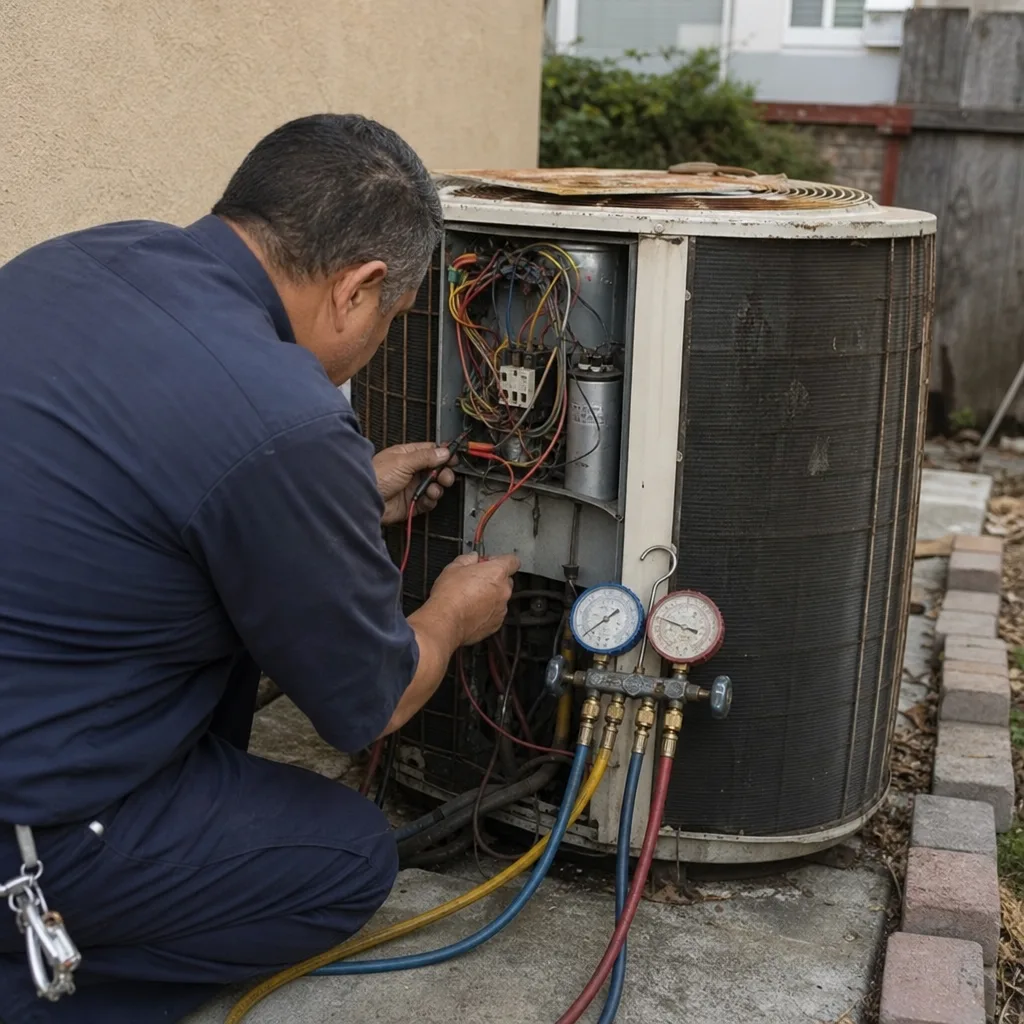 Before
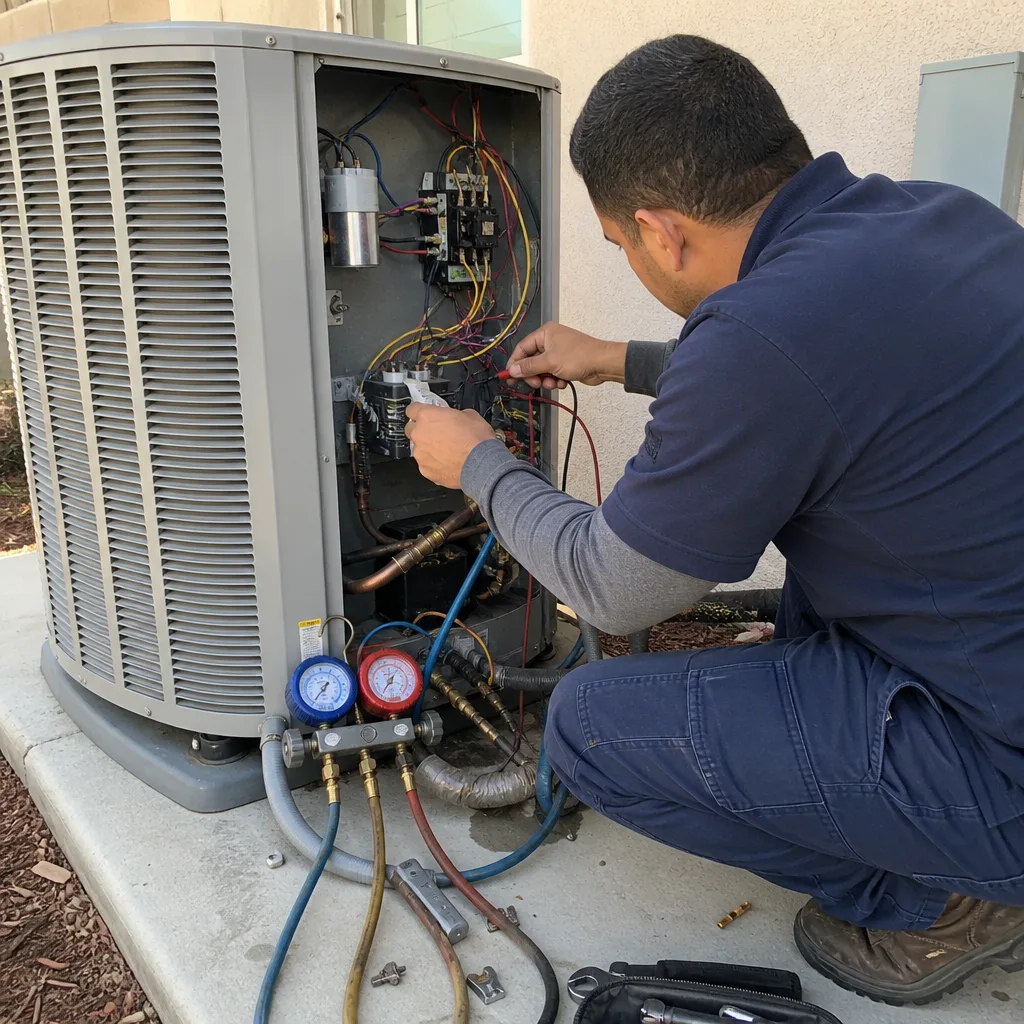 After
After Before
 After
After Before
 After
After