
Last updated October 16, 2026
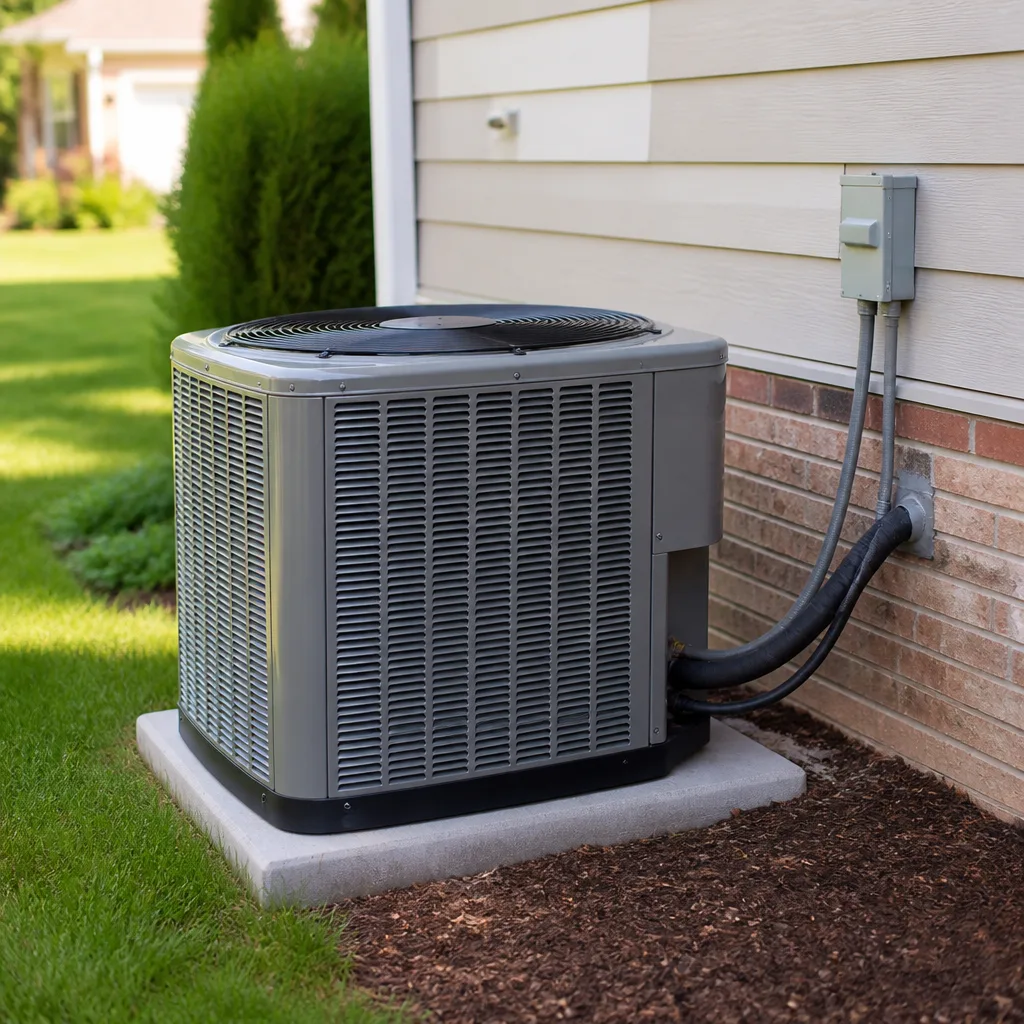 AC repair
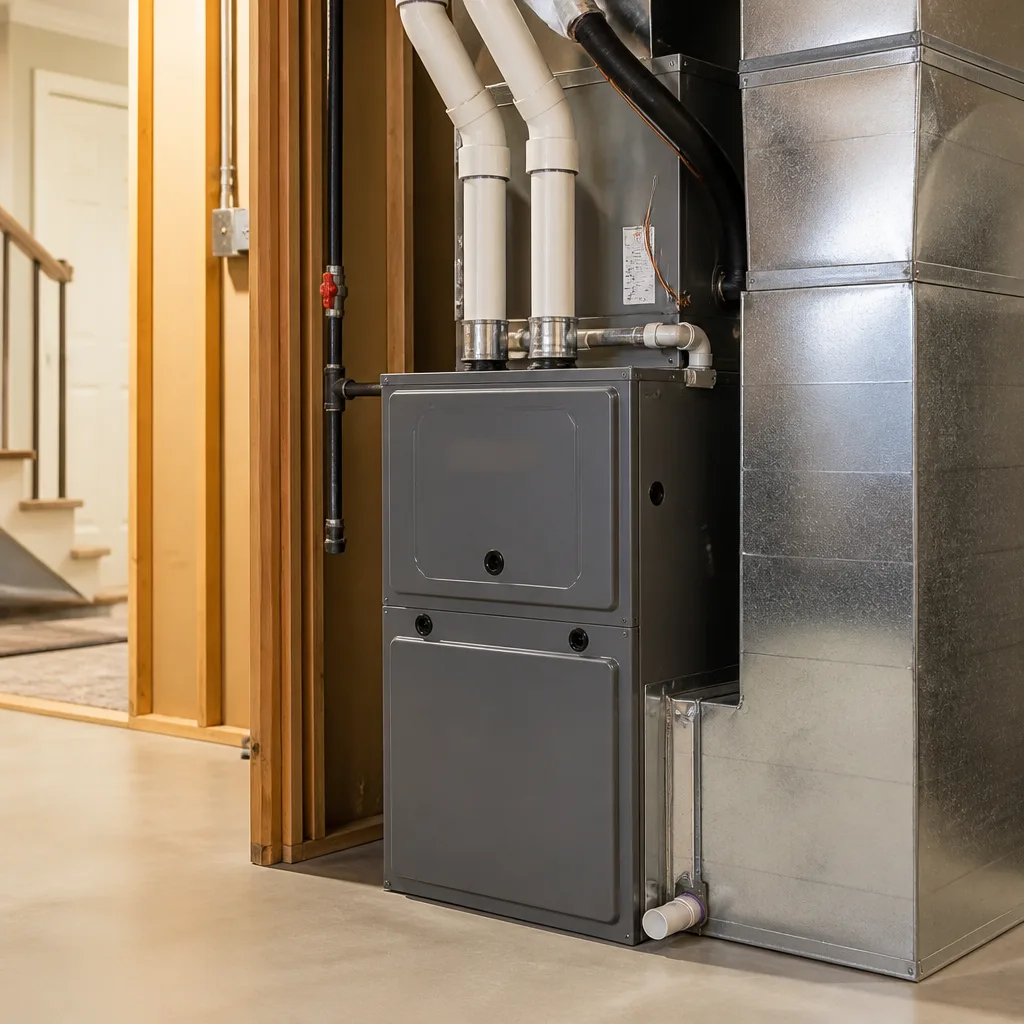 Furnace & heating
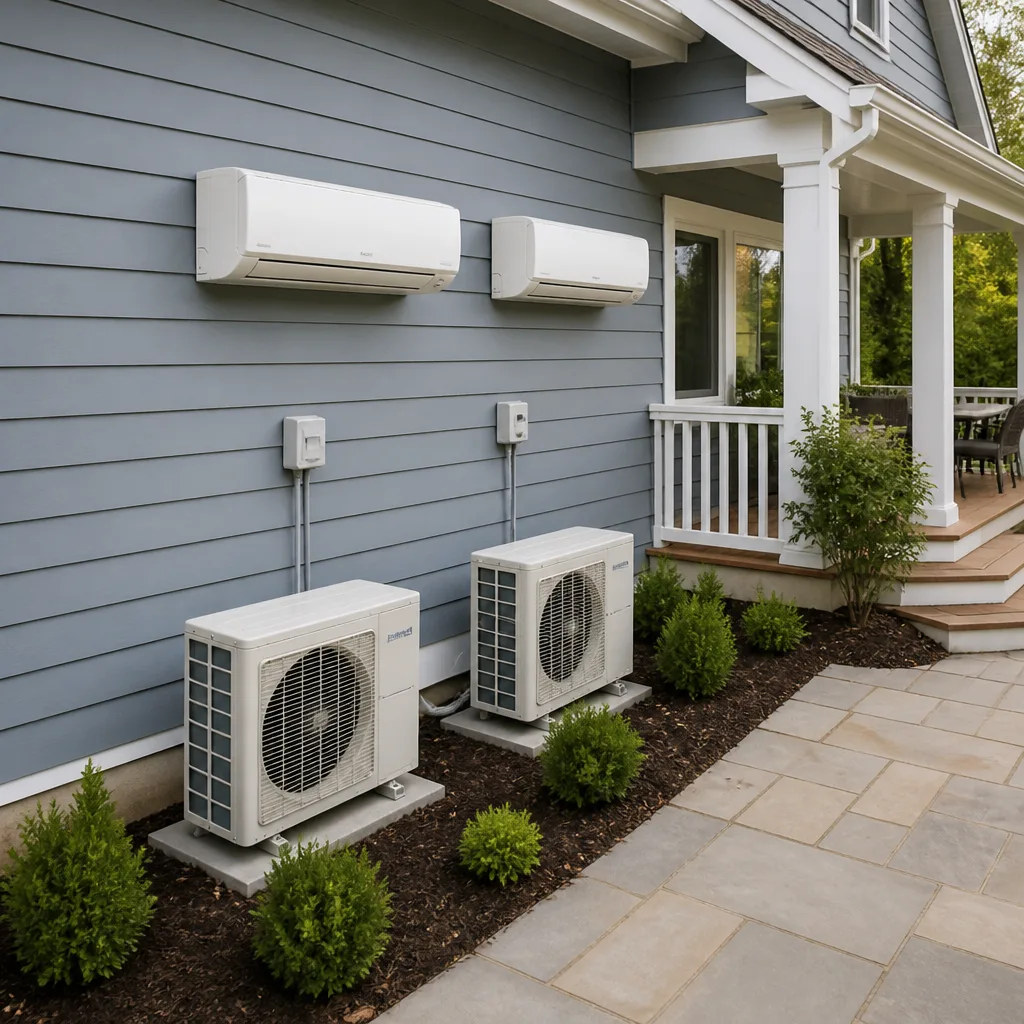 Ductless mini splits
 Carrier
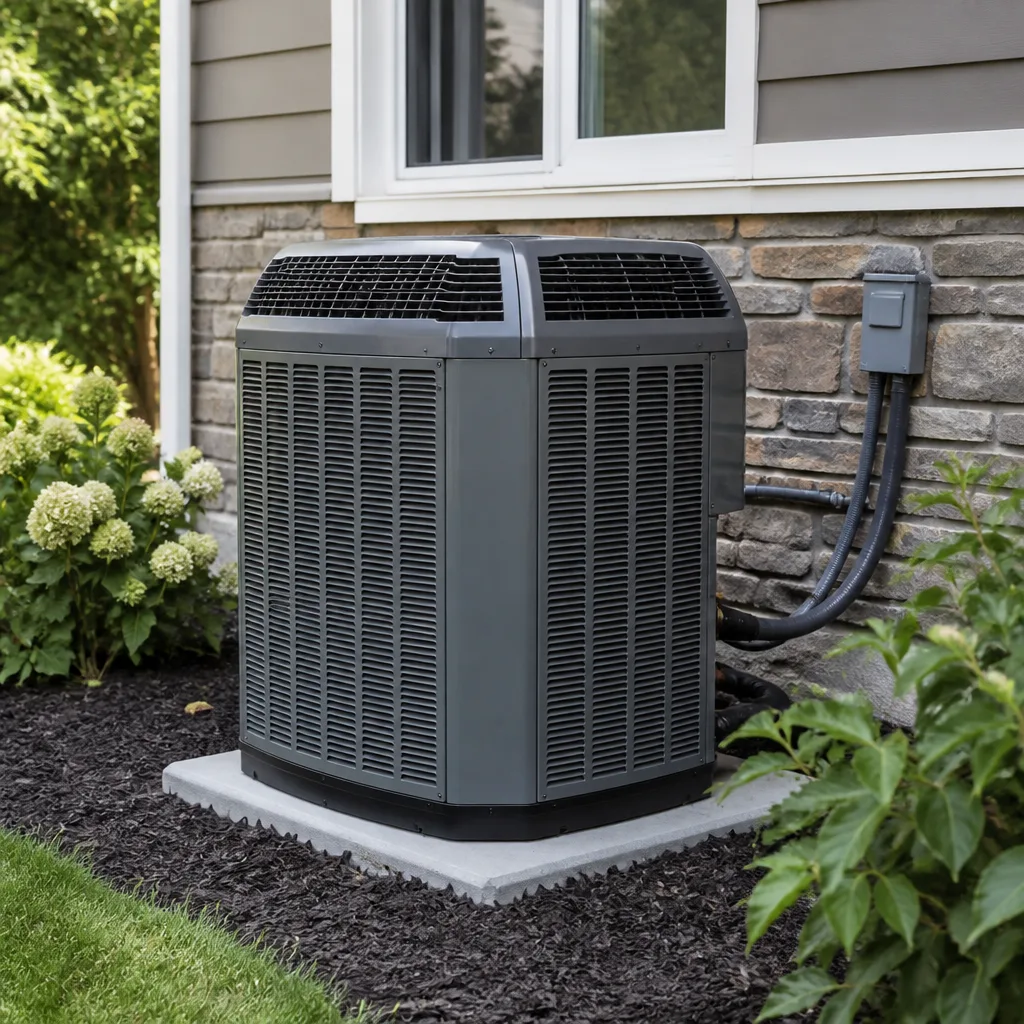 Trane
Trane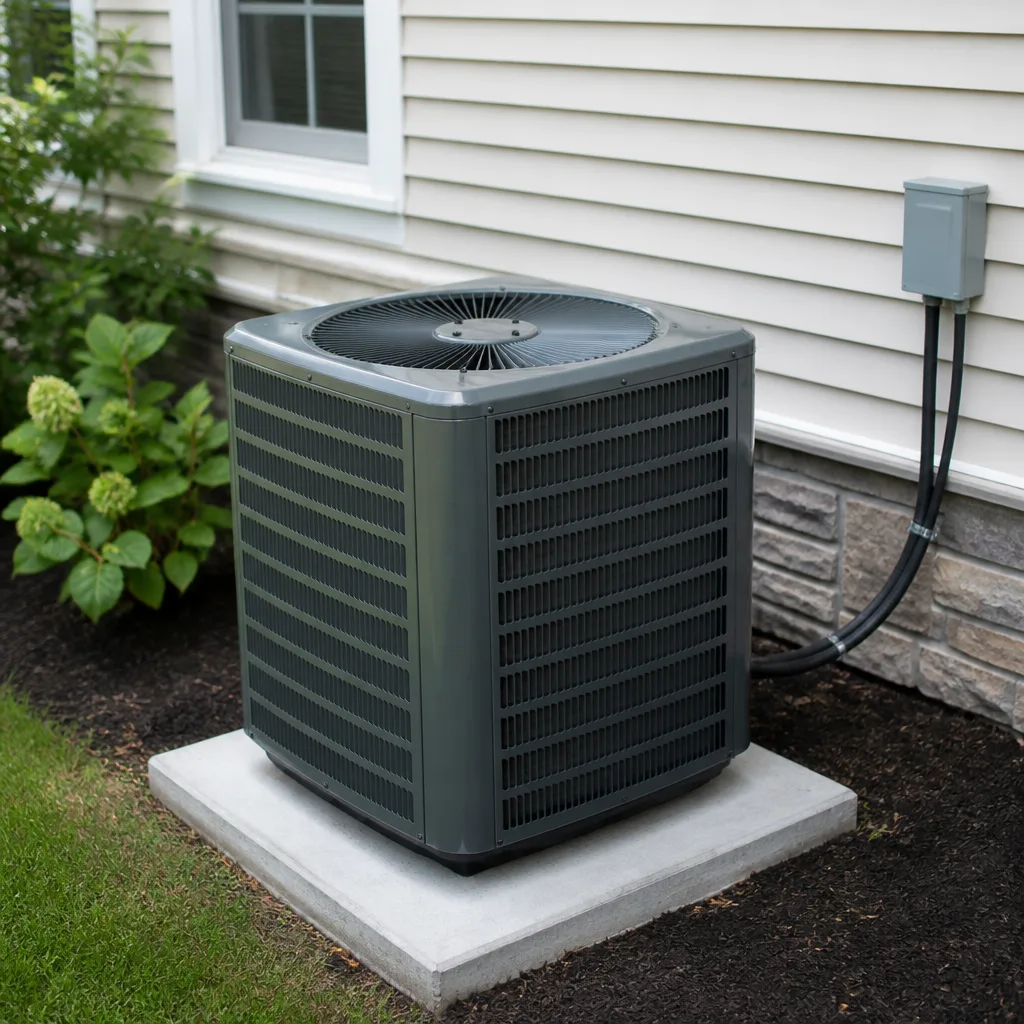 Goodman
Seasonal tune-up and full diagnostic on your Carrier, Trane, or Goodman system - readings shown to you before any repair is proposed
Diagnosis first, numbers second - you approve the repair price before a single part goes in.
Get your free estimateAC Repair Maintenance Checklist for West Covina Homeowners
Here’s a counterintuitive fact we’ve learned from two decades of service calls across West Covina: the number-one reason AC units die on the hottest day of the year is not a refrigerant leak or a blown compressor. It’s a clogged condensate drain that tripped a float switch. That’s a four-minute fix with a wet-dry vacuum. Most maintenance checklists bury this task at the bottom or skip it entirely, because drain flushes don’t sell maintenance contracts. This guide is organized by failure risk, not by what’s easiest to upsell. You’ll learn which five tasks actually prevent the breakdowns we see every summer in West Covina, which MERV rating your filter should carry in our dusty inland air, how to read your own refrigerant sight glass, and which months demand which tasks based on our actual temperature curve.
Quick Answer
A responsible AC maintenance checklist for West Covina homeowners has five non-negotiable tasks: flush the condensate drain line monthly during cooling season, check and replace the air filter every 30 to 60 days using MERV 8 to 11 in our dusty conditions, inspect the capacitor and contactor for swelling or pitting every spring and fall, clear debris from around the outdoor condenser unit every month, and test the system’s temperature drop once in May and once in September. These five tasks prevent roughly 80 percent of the failures we see on emergency calls in West Covina between June and October.
Styles & brands we work with
Table of Contents
- The $0 Fix: Condensate Drain Flushing for West Covina’s Dust and Hard Water
- Filter MERV Ratings: What Actually Works in West Covina’s Inland Air
- Capacitor and Contactor Inspection: The 30-Day Failure Warning
- How to Read Your Refrigerant Sight Glass Before Calling Anyone
- Month-by-Month West Covina AC Maintenance Calendar
- Common Mistakes to Avoid
- When to Call a Professional
- Frequently Asked Questions
The $0 Fix: Condensate Drain Flushing for West Covina’s Dust and Hard Water
Your air conditioner produces gallons of condensation every day it runs. That water flows through a narrow PVC pipe called the condensate drain line, which carries it outside your home or into a plumbing drain. In West Covina, two things conspire to clog that line faster than almost anywhere else: our dry, dusty foothill air and our hard municipal water. Dust settles on the evaporator coil, gets washed into the drain pan by condensation, and forms a sludge. Hard water minerals then bind that sludge into a crust that narrows the pipe over time. When the line clogs completely, a float switch shuts down your entire system. Your AC is not broken. It’s just drowning in its own condensation. We see this on more than half of our emergency AC repair calls in West Covina between July and September.
Here’s the flush schedule that actually works for our local conditions:
- During cooling season (May through October): Flush the line once a month. Pour one cup of white vinegar into the drain line access point, let it sit for 30 minutes, then flush with two cups of warm water.
- During off-season (November through April): Flush the line once in November when the system goes dormant, and once in April before you start it up again.
- If you see standing water in the drain pan under your indoor unit: The line is already partially clogged. Use a wet-dry vacuum on the outdoor drain outlet to pull the blockage out. If you do not own a wet-dry vacuum, call us. We do this on almost every maintenance visit.
One more West Covina-specific note: if your drain line terminates outside near a garden bed or planter, watch for ants. Ants love the moisture and will build nests inside the pipe, creating a clog no amount of vinegar will clear. A small piece of fine mesh screen over the outlet stops this. We recommend checking that outlet every time you mow the lawn or water the yard.
Filter MERV Ratings: What Actually Works in West Covina’s Inland Air
MERV stands for Minimum Efficiency Reporting Value. It measures how well a filter captures airborne particles. The scale runs from 1 to 16, and higher is not always better. A MERV 13 filter catches more dust, pollen, and smoke particles, but it also restricts airflow. In West Covina, where summer temperatures routinely cross 95 degrees and the air carries fine dust from the San Gabriel Valley and occasional wildfire smoke from the foothills, choosing the wrong filter rating creates a real tradeoff between air quality and system strain. A filter that is too restrictive forces your blower motor to work harder, raises your energy bill, and can freeze the evaporator coil on the hottest days.
Here’s what we recommend for West Covina homes:
- Standard homes without allergies or pets: MERV 8. This captures dust, pollen, and mold spores while allowing full airflow. Replace every 60 days during cooling season.
- Homes with pets, children, or mild allergy sufferers: MERV 10 or 11. This adds capture of finer particles including some bacteria and smoke. Replace every 30 to 45 days.
- Homes with severe allergies, asthma, or heavy wildfire smoke exposure: MERV 13 is acceptable, but only if your system was designed for it. Older systems, especially those with single-speed blowers, often cannot handle MERV 13 without airflow loss. If you want to run MERV 13, have a technician confirm your static pressure first.
Write the install date on the filter frame with a permanent marker. When you pull a filter and can no longer see light through it when held up to a lamp, you waited too long. In our experience, West Covina homes near the 10 Freeway or the 605 corridor accumulate filter loading faster than homes in the hills above Citrus Avenue. Dust from brake pads and road grit travels further than most people expect. If you live near a major artery, check your filter at the 30-day mark every month, no exceptions.
Capacitor and Contactor Inspection: The 30-Day Failure Warning
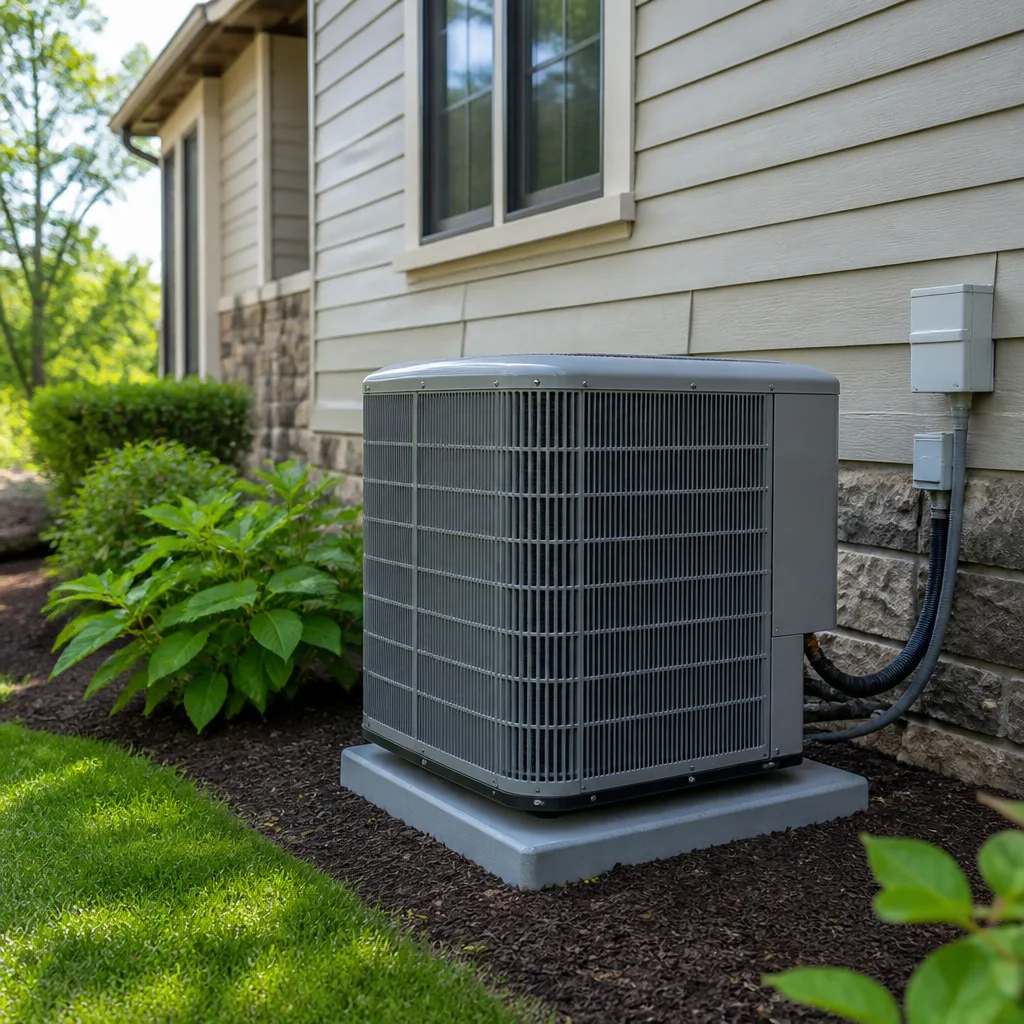
Inside your outdoor condenser unit sit two small, inexpensive electrical components that cause a disproportionate share of summer breakdowns in West Covina. The capacitor stores and releases the electrical jolt needed to start the compressor and the condenser fan motor. The contactor is an electrical switch that opens and closes to turn the system on and off. Both parts wear out slowly, then fail suddenly. The good news is that both give visible and audible warning signs in the 30 days before a complete failure. You can spot them yourself without opening the electrical panel.
Here is what to check, what it looks like, and what it sounds like:
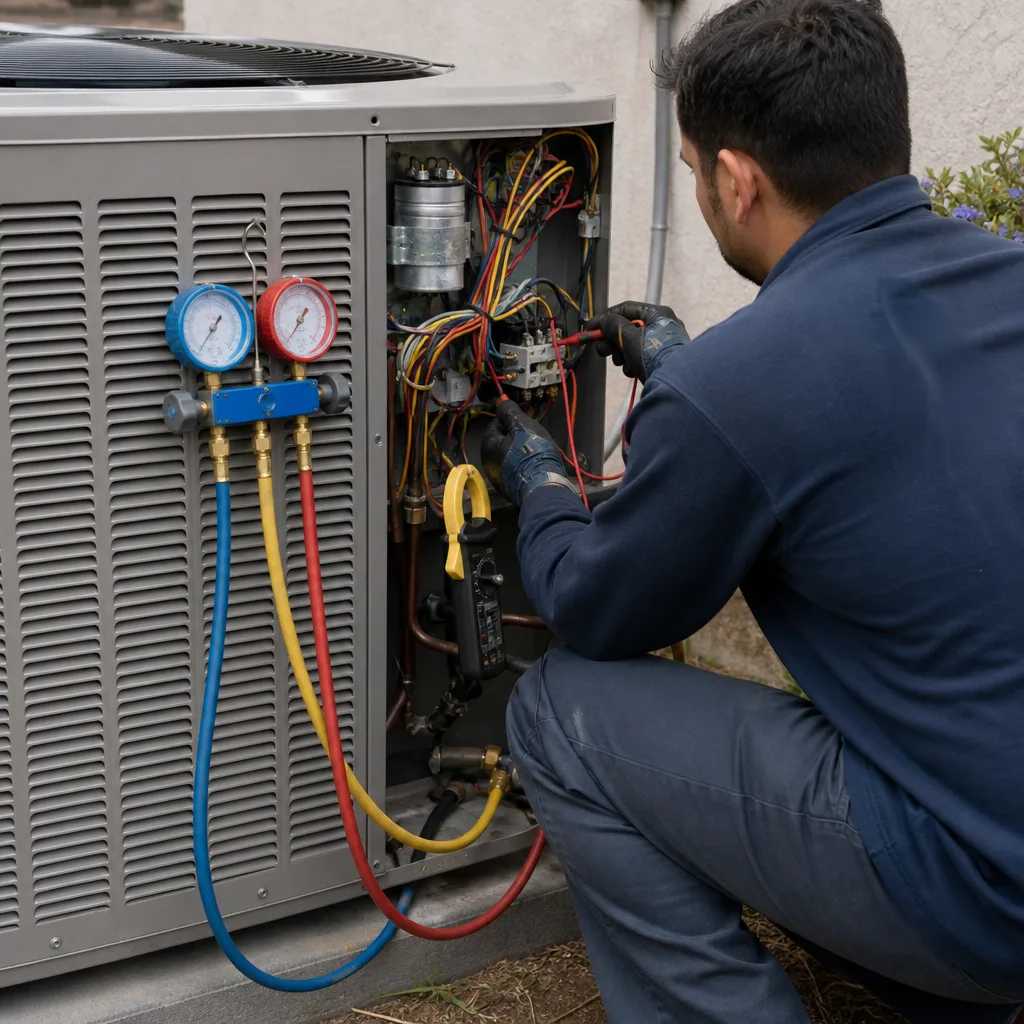
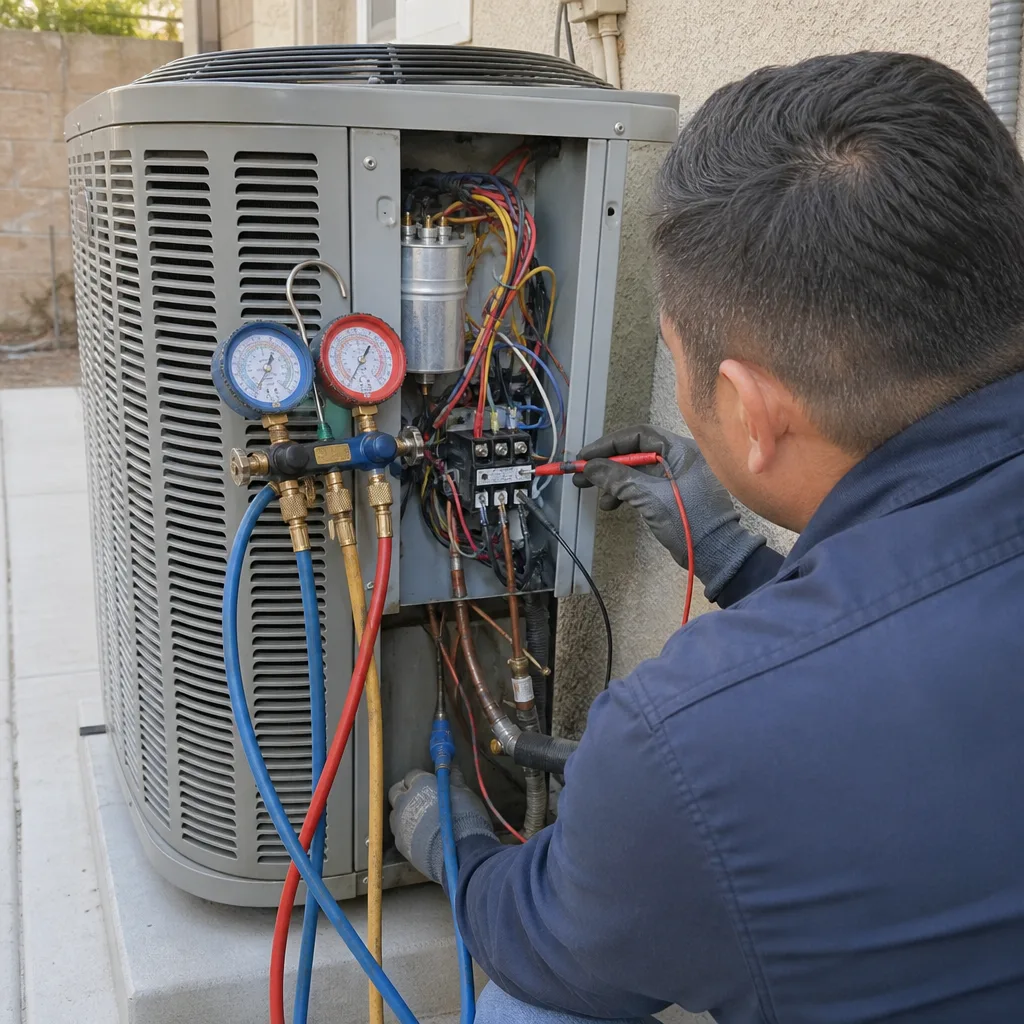
- Visual check for capacitor swelling: Turn off the breaker to the AC unit. Remove the access panel (usually held by four or five screws). Look at the capacitor, a silver or gray cylinder roughly the size of a soda can. The top should be perfectly flat. If the top is domed, bulging, or shows any discoloration or oily residue, the capacitor is failing. It may keep your AC running for a few more weeks, but it will not survive the next sustained heat wave.
- Audible check for compressor startup: Stand next to the outdoor unit while someone inside turns the AC on at the thermostat. You should hear a solid, immediate click followed by the compressor humming to life. If you hear a series of rapid clicks before the hum starts, the capacitor is weak and the system is struggling to start. If you hear a hard buzz with no compressor start, the capacitor has already failed and the system is locked out.
- Contactor inspection: With power still off, look for the contactor, a rectangular block with two or three wire terminals. Look closely at the contact points, small metal discs where the switch closes. Pitting, black carbon scoring, or a melted appearance means the contactor is arcing. A contactor in this condition can stick closed, which runs your compressor continuously, or stick open, which leaves you with no AC at all.
One warning from our team at Halden Heating and Air West Covina: capacitors store enough electrical charge to injure you even after power is disconnected. If you are not completely comfortable working around high-voltage components, do not open the panel at all. A visual inspection through the side grille with a flashlight is safe. Anything beyond that, leave to a trained technician. We inspect capacitors and contactors on every maintenance visit and every AC repair in West Covina, because these two parts fail more than any other component in our local climate. Replacing a capacitor before it fails costs between $150 and $300. Replacing a compressor after a failed capacitor takes it down costs $2,000 to $4,000.
How to Read Your Refrigerant Sight Glass Before Calling Anyone
Refrigerant is the coolant your AC uses to absorb heat from inside your home and release it outside. Under normal operation, the system holds a fixed amount of refrigerant sealed under pressure. It never needs topping off unless there is a leak. Many homeowners get told by various sources that they need a refrigerant recharge, which is trade parlance for adding coolant back to the proper level. Before you accept that diagnosis, or before you call anyone, you can check one thing yourself: the sight glass.
The sight glass is a small circular window, roughly the size of a quarter, located on the liquid line near the outdoor unit. The liquid line is the smaller of the two copper pipes connecting the outdoor condenser to your indoor coil. It is usually covered in black foam insulation near the indoor unit, but the sight glass sits on the exposed section near the outdoor unit. Not every system has one, but most Carrier, Bryant, Trane, and American Standard units installed in West Covina over the last 20 years do.
Here is how to read it:
- Run the system for at least 15 minutes on a day when the outdoor temperature is above 70 degrees. The AC must be actively cooling, not just the fan running.
- Look through the sight glass. You should see a smooth, clear stream of liquid refrigerant flowing past with no bubbles. This indicates a healthy charge.
- Bubbles or foam in the sight glass means the refrigerant charge is low, usually due to a leak somewhere in the system. A few tiny bubbles at startup are normal. Continuous bubbles after 15 minutes are not.
- A milky or streaked appearance indicates contamination, often moisture or air that entered the system through a leak.
- An empty or dark sight glass with no visible liquid means the system is severely low or completely out of refrigerant.
Reading the sight glass tells you whether a recharge is genuinely needed, but it does not tell you where the leak is, how severe it is, or whether other components have been damaged by running low. If your sight glass shows continuous bubbles, call us at (831) 607-5485. We locate leaks with electronic detectors and repair them before recharging, because adding refrigerant to a leaking system is like filling a tire with a nail in it. You will be back in the same spot within weeks. Under federal EPA rules, technicians must repair known leaks on systems above a certain charge size rather than simply topping them off repeatedly, and this protects you from paying for refrigerant twice.
Month-by-Month West Covina AC Maintenance Calendar
West Covina’s temperature curve is not a gentle bell shape. It’s a long, flat heat plateau that starts in May and does not really break until late October. Our overnight lows in summer rarely drop below 65 degrees, which means your AC runs more cumulative hours per year than systems in coastal cities. That run time is what creates the wear and tear that leads to breakdowns before Labor Day. Here is a maintenance calendar mapped to our actual seasonal rhythm, not a generic national schedule.
January and February: Dormant Period, Light Touch
- Do a quick visual inspection of the outdoor unit. Remove any leaves, branches, or debris that accumulated against the coil.
- If you run the heat, check that the outdoor unit does not ice over during cold snaps. Icing indicates a defrost issue or low charge.
- This is the ideal time to schedule any deferred repairs from the previous summer. Technicians have light schedules, and you avoid the June rush.
March and April: Pre-Season Preparation
- Replace the air filter with a fresh one at your appropriate MERV rating.
- Flush the condensate drain line with vinegar and warm water before first use.
- Turn on the system for a 30-minute test run on a day above 70 degrees. Listen for odd sounds, check the sight glass, and verify cold air at the vents.
- Clear at least two feet of clearance around the outdoor unit. Trim back any shrubs or vines that grew during winter rains.
May through August: Peak Cooling Season, Monthly Vigilance
- Check the filter every 30 days. Replace it if you cannot see light through it.
- Flush the condensate drain monthly with vinegar. This is the single highest-value maintenance task all summer.
- Listen for the compressor startup click each time the system cycles on. Rapid clicking or buzzing means capacitor trouble.
- Hose down the outdoor condenser coil monthly with a garden hose, no pressure washer, to remove dust and cottonwood debris. West Covina’s summer winds carry fine particulate from the San Gabriel Valley that coats coils quickly.
- Keep the area around the outdoor unit clear of lawn clippings. A single mowing session can blanket the coil and raise head pressure enough to trip the system off.
September and October: Post-Season Evaluation
- Do the 15-minute temperature drop test. Measure the air temperature at the return vent and at the supply vent nearest the air handler. You want a 15 to 20 degree difference on a day above 80 degrees. Less than 12 degrees means the system is underperforming.
- Inspect the drain pan under the indoor unit for standing water or mineral staining, which signals a slow clog that built up over the summer.
- Hire a professional inspection if the system ran hard all summer or if you noticed any unusual sounds, higher than normal energy bills, or reduced airflow. A West Covina AC repair technician can catch issues in October that would otherwise surface as emergencies next June.
November and December: Shutdown Care
- Do a final filter change even if the filter is not fully loaded. This prevents dust from sitting on the evaporator coil all winter.
- Flush the drain line once before shutdown.
- If your outdoor unit is exposed to heavy leaf fall from nearby trees, cover the top with a piece of plywood to keep debris out of the fan area. Do not wrap the unit in plastic, which traps moisture and causes corrosion.
- If you also have a furnace, this is the month to schedule furnace repair or maintenance in West Covina before the first cold snap. Most furnace issues surface in December when the heat kicks on for the first time in months.
Common Mistakes to Avoid
- Skipping the condensate drain flush because the system seems fine. A clog builds slowly over weeks, then trips the float switch on the one day you need AC most. We respond to more float-switch lockouts in West Covina’s hottest weeks than any other single failure.
- Using MERV 13 filters in systems not designed for them. High-efficiency filters can restrict airflow enough to freeze the coil, especially in older single-speed systems common in West Covina homes built before 2000.
- Hosing down the outdoor unit while the system is running. Water hitting a running condenser fan or electrical connections can cause a short. Always kill power at the breaker first.
- Closing vents in unused rooms to save energy. This raises static pressure in the duct system and can cause the blower motor to overheat. In a hot climate like West Covina, restricted airflow is a fast track to a frozen coil.
- Ignoring a slow-draining sink or tub near the AC. Your condensate line often ties into the same plumbing. A slow drain elsewhere can indicate a blockage that will back up into your AC drain pan.
- Assuming the thermostat is wrong when one room stays hot. Uneven cooling is almost always an airflow or duct issue, not a thermostat problem. Adjusting the setpoint lower just freezes the coil and makes the problem worse.
- Waiting until the first 95-degree day to call for maintenance. By then, every reputable HVAC company in West Covina is booked out days for non-emergency work. March and April appointments are the move.
When to Call a Professional
Some tasks belong in the hands of a trained technician, full stop. If your capacitor shows bulging or your contactor has pitting, do not replace them yourself unless you have formal electrical training. If your sight glass shows continuous bubbles, you have a refrigerant leak that requires electronic detection equipment and a proper repair. If your circuit breaker trips more than once after resetting, stop resetting it. Repeated breaker trips indicate a serious electrical fault that can damage the compressor or start a fire. If the system runs but blows warm air on a hot day, you could have a frozen coil, a failed run capacitor on the blower motor, or a faulty reversing valve on a heat pump. Diagnosing these safely requires gauges, meters, and training. Halden Heating and Air West Covina offers free estimates in West Covina. Call (831) 607-5485 when you hit a problem outside the checklist scope, and you’ll get a written price before any work begins.
Frequently Asked Questions
Once a year, ideally in March or April before the heavy cooling season starts. A professional tune-up includes a capacitor and contactor test, a refrigerant charge verification, a condensate drain flush, a coil cleaning, and a full electrical connection inspection. In West Covina’s long hot season, an annual tune-up plus the monthly DIY tasks in this guide covers your bases. If you skip the professional visit, at minimum do the monthly filter checks and drain flushes yourself. Call (831) 607-5485 to schedule a spring tune-up before the schedule fills up.
Professional AC maintenance visits in West Covina typically run between $80 and $180 depending on the company and what’s included. Some companies low-ball the inspection price and then use it as a discovery tool to sell repairs. At Halden Heating and Air West Covina, we give you a written price before any work begins, on every single visit, with no surprises at the door. Any repairs we recommend come with a written guarantee and a free return visit if the repair fails.
You can and should do the monthly DIY tasks: filter checks, drain flushes, debris clearing, and visual inspections. You should not open the electrical panel, handle refrigerant, or attempt any repair involving high-voltage components. Capacitors store lethal charge even with power off. The sweet spot for most West Covina homeowners is a hybrid approach: do the monthly tasks yourself, and have a professional do the annual deep inspection and any repairs the system needs.
MERV 8 is right for most households without pets or allergy concerns. MERV 10 or 11 works well for homes with pets, kids, or mild allergies. MERV 13 only makes sense if you have a newer system designed for that level of filtration, or if you need smoke protection during wildfire season. If you run MERV 13 on an older single-speed system, you may get a frozen coil. Replace filters every 30 to 60 days during cooling season, more often if you live near a freeway.
The most common cause in our area is a clogged condensate drain tripping the float switch, not a refrigerant problem. The second most common is a failing capacitor that can’t start the compressor when the outdoor unit is heat-soaked. The third is a dirty condenser coil driving head pressure high enough to trip the high-pressure safety switch. Before you panic, flush the drain line, clear debris from around the unit, and hose down the coil. If it still trips, call (831) 607-5485 and we’ll diagnose it.
No. You can handle most preventive maintenance yourself using this checklist, and hire a professional once a year for the deeper inspection. Maintenance contracts can be a good fit for homeowners who want the company to track everything and handle all the scheduling, but they are not required to keep a system healthy. If you do consider a contract, ask what specifically is covered, whether visits include actual coil cleaning or just a glance-over, and whether the contract price is locked in writing.
The Bottom Line
The AC maintenance tasks that actually keep your West Covina home cool all summer are simple, cheap, and unglamorous. Flush the condensate drain monthly. Check the filter every 30 days and match the MERV rating to your home’s needs. Listen for capacitor clicks. Read the sight glass when something feels off. Clear debris around the outdoor unit. Do these five things on a schedule, and you’ll prevent most of the failures that take down systems in the San Gabriel Valley’s brutal inland heat. For the deeper annual inspection and any repairs beyond the DIY scope, Halden Heating and Air West Covina is here. We provide AC installation in West Covina alongside repair and maintenance, and every job includes a written price before work begins and a written guarantee on every repair. Call (831) 607-5485 for a free estimate.
Written by Andre Fuller, Owner at Halden Heating and Air West Covina, serving West Covina since 2004.
See the difference
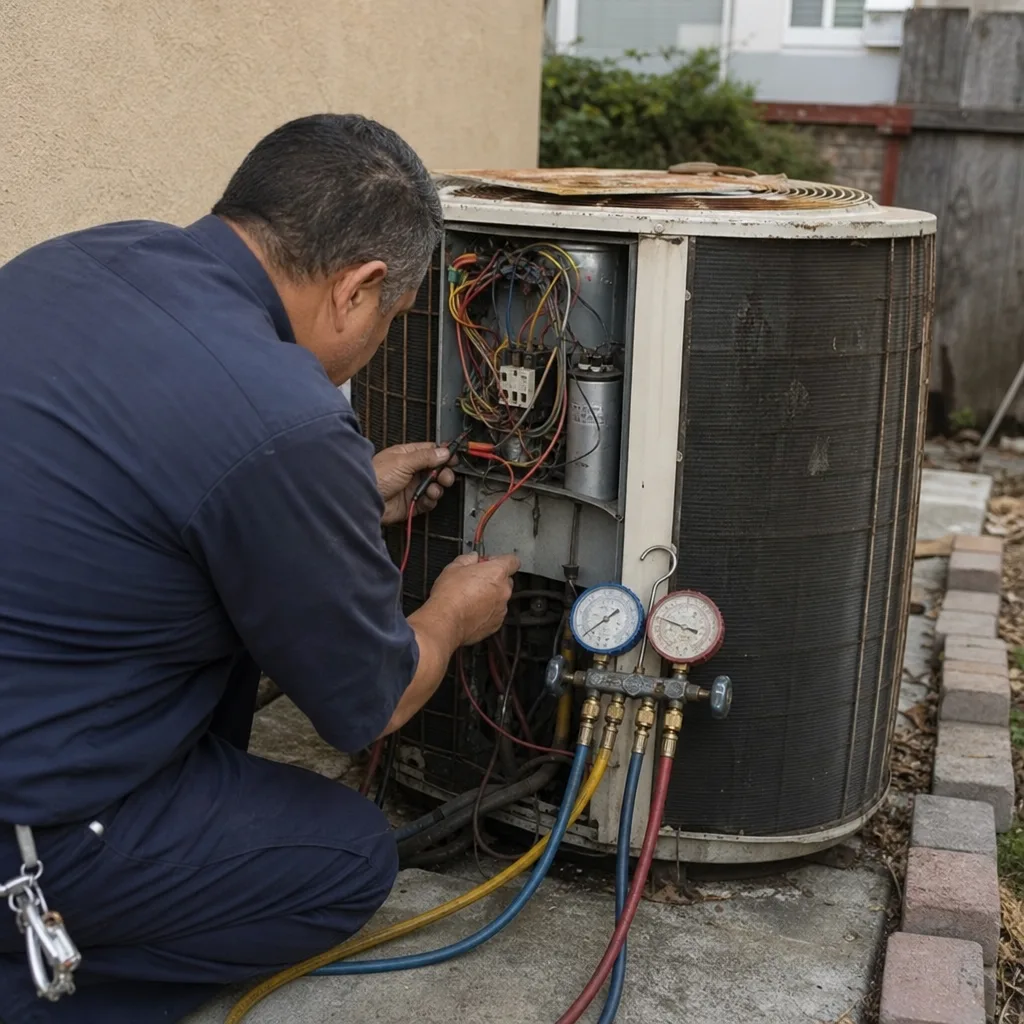 Before
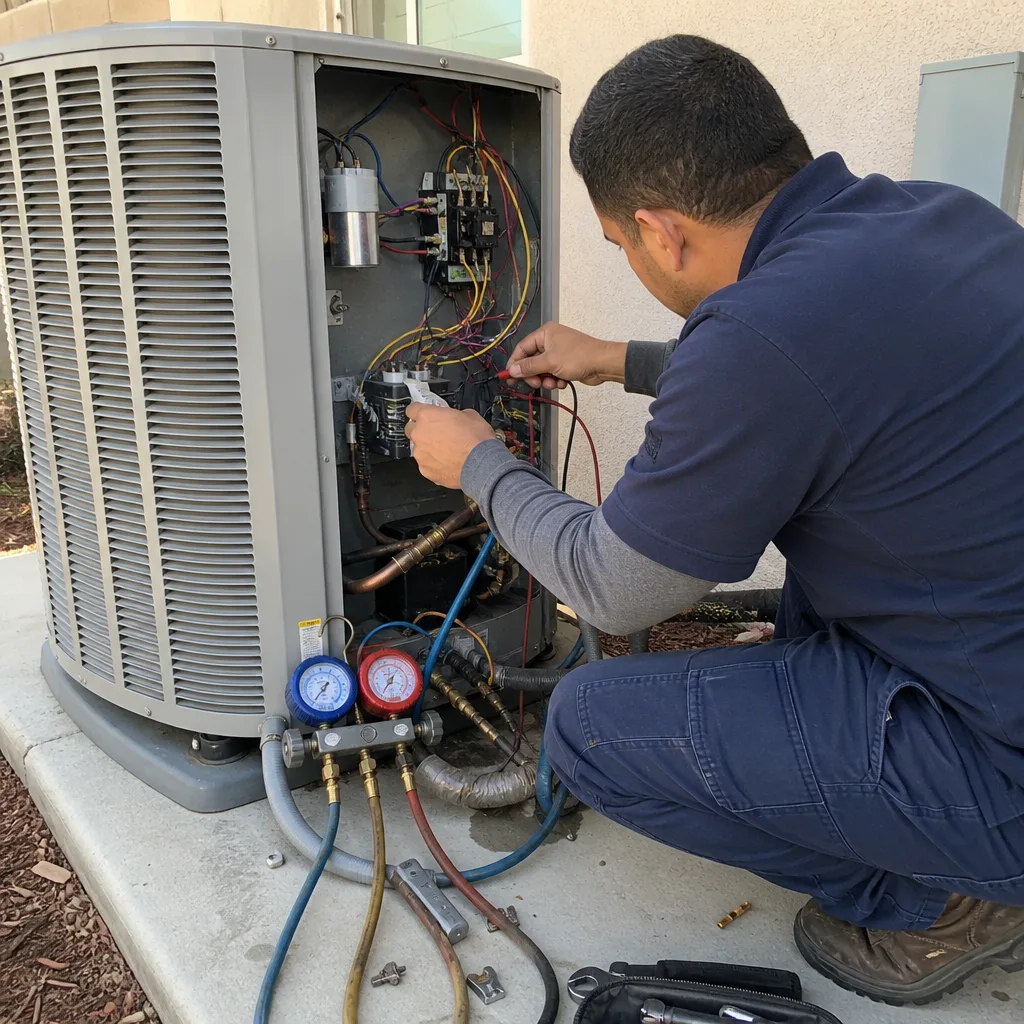 After
After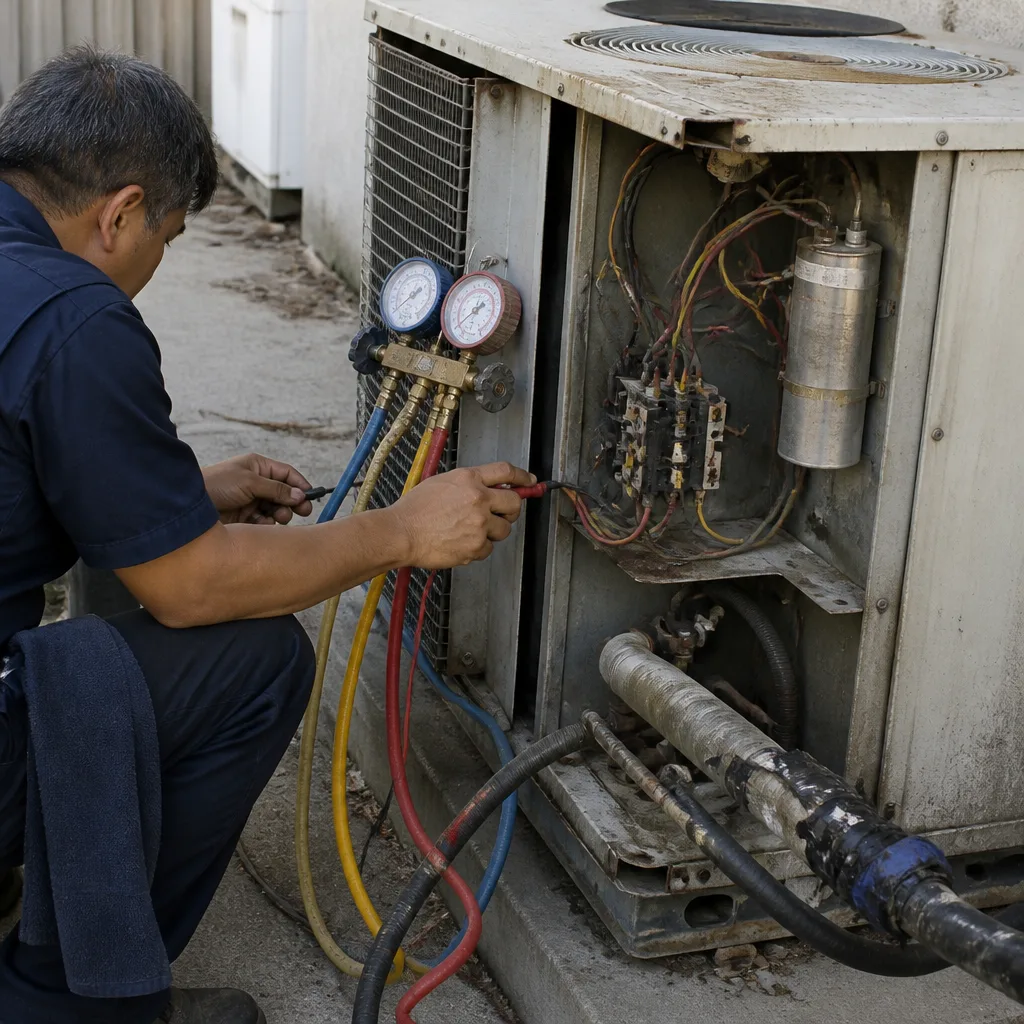 Before
 After
After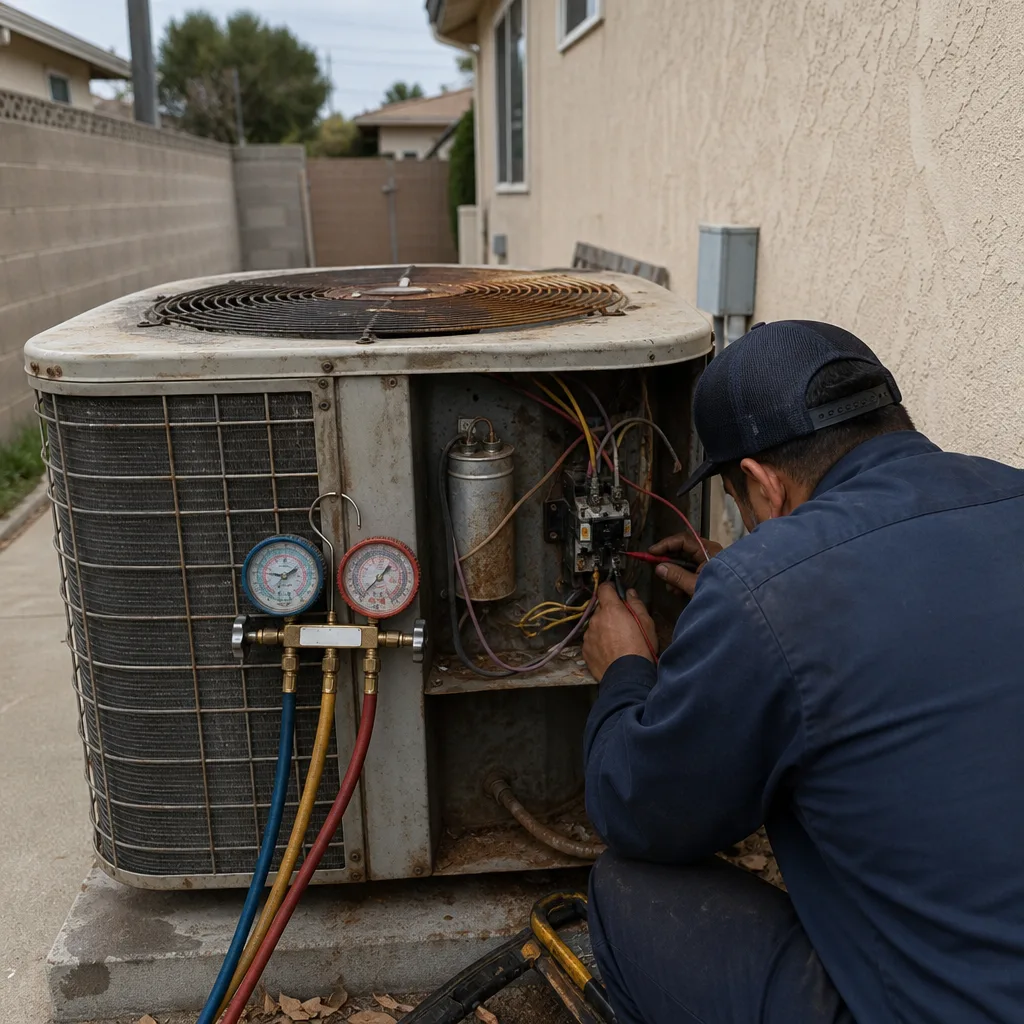 Before
 After
After